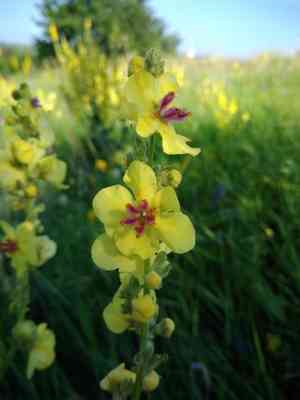
Nettle-leaved mullein (Verbascum chaixii)
Also known as: Nettle leaf mullein
Consider planting Russian Sage (Perovskia atriplicifolia) for a charming addition to your cottage garden or flower bed. This plant offers lovely, silvery foliage and spires of lavender-blue flowers that add vertical interest. Russian Sage is drought-tolerant, thrives in rocky soils, and is generally unappealing to deer. It also makes a great cut flower, providing both beauty and resilience to your garden.
In This Article
Attributes of Nettle-leaved mullein
Lifespan
Perennial, Biennial
Plant Type
Herb
Plant Height
90 cm
Spread
45 cm
Leaf Color
Green Silver Blue Gray
Flower Size
0.5-1 inch (1-2.5 cm)
Flower Color
White Yellow
Images of Nettle-leaved mullein
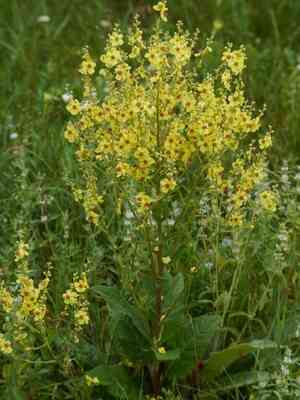
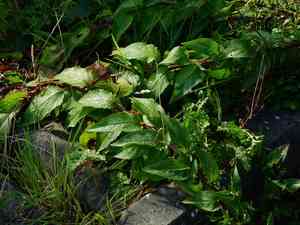
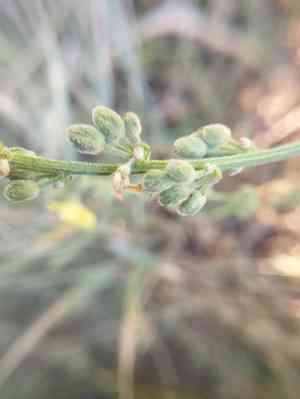
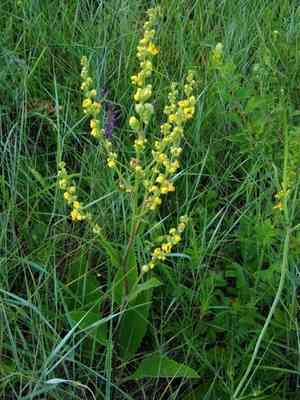
Quickly Identify Nettle-leaved mullein
1
To identify Verbascum chaixii, look for its rosette of large, hairy leaves at the base and tall flowering spikes reaching up to 3 feet. The flowers are notable for their contrasting centers, which aid in identification.
Scientific Classification of Nettle-leaved mullein
Phylum
Vascular plants
Class
Dicotyledons
Order
Lamiales
Family
Figwort
Genus
Mullein
Species
Nettle-leaved mullein
Planting and Growing of Nettle-leaved mullein
Care Difficulty
Easy
Watering Schedule
Every 2 days
Sunlight Requirements
Full sun
Sunshine Duration
4-8 hours
Ideal Temperature
65-75℉
Soil Type
Potting Mix, Peat Mix
Soil pH
6.5-7.5
Fertilizer Type
Balanced
Pruning Season
Spring, Summer
Pruning Area
Branches, Leaves
Pruning Frequency
2 times a year
Repotting Season
Spring
Pot Type
Plastic, Ceramic
 How to Water Nettle-leaved mullein?
For Verbascum chaixii, ensuring the soil is adequately moist but not oversaturated is crucial. A general guideline is to provide approximately 500ml of water per watering session. Make sure the water thoroughly moistens the soil but drains away freely, preventing root rot. Water when the top inch of soil feels dry to the touch to avoid overwatering.
What are the symptoms of an underwatered Nettle-leaved mullein?
›
What should I do if my Nettle-leaved mullein is not getting enough water?
›
What are the symptoms of an overwatered Nettle-leaved mullein?
›
How to save an overwatered Nettle-leaved mullein?
›
 What Are the Sunlight Requirements for Nettle-leaved mullein?
Verbascum chaixii's ideal light conditions range from full sun to partial sun, benefiting from consistent sunlight exposure. This range ensures robust growth and vibrant floral displays, essential for healthy flowering and plant vigor.
More About Sunlight Requirements Techniques→
What is the ideal lighting condition?
›
How to achieve ideal lighting for Verbascum chaixii?
›
What benefits does ideal lighting provide?
›
 What Is the Ideal Temperature Range for Nettle-leaved mullein?
Verbascum chaixii, commonly known as Mullein, thrives in a consistent temperature range of 65°F to 75°F. This ideal range allows for optimal photosynthesis and nutrient absorption, ensuring vibrant growth and strong flowering. Maintaining these temperatures supports active growth and contributes to the plant's health and development.
 What Soil is Best for Nettle-leaved mullein?
Verbascum chaixii thrives in well-drained soil, which prevents root rot and other water-related issues. This condition is crucial for healthy growth and blooming as it ensures the roots receive adequate nutrients without being waterlogged. Providing a nutrient-rich medium helps Verbascum chaixii maintain vibrant foliage and robust flowering. A good balance of essential nutrients boosts its health and resilience against pests and diseases. Moderately fertile soil supports balanced growth without overstimulating foliage at the expense of flowers. This balance is critical for maintaining the ornamental appeal and ecological stability of the plant.
 How to Fertilize Nettle-leaved mullein?
For Verbascum chaixii, it's essential to provide a balance that ensures vigorous growth without overwhelming the plant. Use a weak liquid fertilizer solution, mixing roughly 50% of the recommended dosage in the water you use to irrigate the plant. For slow-release fertilizers, a handful per plant is usually sufficient. Ensure the granules are scattered evenly around the roots but not piled up against the stem.
 How to Prune Nettle-leaved mullein?
Begin by assessing the plant's overall shape and health. Use a pair of sharp, clean pruning shears to cut back any spent flower stalks to the base. This will promote new flower spikes and prevent the plant from self-seeding excessively. Trim away any damaged or yellowing leaves to improve air circulation and reduce the risk of disease. If the plant has become too bushy or misshaped, lightly prune to maintain an optimal form, leaving the protective basal rosettes intact for next year's growth.
More About Pruning Techniques→
 How to Propagate Nettle-leaved mullein plant?
1
Fill the seed tray with a well-draining seed-starting mix. Sow the seeds thinly and lightly press them into the soil, as they need light for germination. Keep the soil slightly moist until germination occurs.
2
Carefully dig up the mature Verbascum chaixii plant in the early spring when new growth appears. Gently separate the plant into smaller clumps, ensuring each division has a healthy root system and shoots.
3
After sowing or dividing, water gently to avoid displacing the seeds or harming the roots. Keep the soil consistently moist but not soggy, and place the trays or pots in a bright but sheltered location.
 How to Repot Nettle-leaved mullein plant?
1
Verbascum chaixii needs repotting when rootbound or the soil degrades, typically every 2-3 years. Signs include roots growing out of the drainage holes or a slowdown in growth. Repotting in spring or summer helps the plant recover quickly and establish in its new environment.
2
Select a pot that is 2-3 inches larger in diameter than the current one. This provides space for root growth without overwhelming the plant. Good drainage is crucial, so ensure the pot has sufficient drainage holes, preventing root rot and other moisture-related issues.
3
Use a well-draining potting mix, ideally containing a blend of peat, perlite, and compost. This type of soil maintains enough moisture without becoming waterlogged, which is essential for Verbascum chaixii's healthy growth and root development.



