Enhancing Your Garden Design with the Nettle-leaved mullein Plant: A Landscaping Guide
1
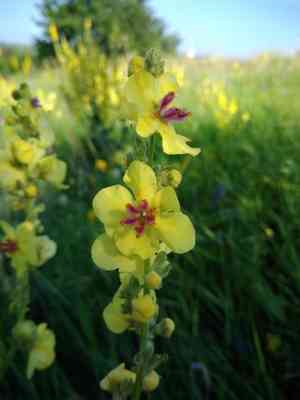
Nettle-leaved mullein presents a remarkable visual charm through its elevated, pointed flowers.
2
Nettle-leaved mullein flourishes in diverse soil conditions, favoring those that drain effectively.
3
Incorporating Nettle-leaved mullein alongside other flora can establish impressive central features in your outdoor space.
Introducing Nettle-leaved Mullein for Landscape Design
Appreciating the visual charm of Nettle-leaved Mullein
Central to crafting an appealing landscape is choosing plants that flourish and enhance overall beauty. Nettle-leaved Mullein exemplifies such a plant. With its towering, impressive flower spikes and vivid colors, Nettle-leaved Mullein shines as a highlight in any garden. Its distinct nettle-like leaves add textural interest, making it a visually engaging option for gardeners seeking to enrich their outdoor areas with depth and character. The lofty stems, often covered in abundant blooms, can capture attention from afar, establishing Nettle-leaved Mullein as a garden showstopper.
Nettle-leaved Mullein's adaptability across various garden aesthetics
A key strength of Nettle-leaved Mullein is its versatility, seamlessly integrating into diverse garden styles. Whether your garden is modern, a rustic cottage design, or an expansive estate, Nettle-leaved Mullein can be a harmonious addition. Its flexibility allows it to complement both minimalist designs with clean lines and intricate, layered plantings where height and boldness are desired. Furthermore, Nettle-leaved Mullein's hardy nature means it can thrive in different environmental conditions, provided its basic needs are met, making it a flexible choice for both new and experienced gardeners.
Selecting the Optimal Site for Nettle-leaved Mullein
Evaluating light exposure and soil requirements
Identifying the correct placement for Nettle-leaved Mullein is vital for its growth and aesthetic contribution to your garden. Nettle-leaved Mullein prefers locations with full sun to partial shade, ensuring it receives adequate light for its spectacular blooms. It also flourishes best in well-drained soils. While Nettle-leaved Mullein tolerates various soil types, preventing excessive moisture retention, which could harm its roots, is crucial. A simple soil test before planting can help you make necessary adjustments for ideal Nettle-leaved Mullein conditions.
Visual harmony with neighboring plants
To cultivate a visually pleasing garden, consider how Nettle-leaved Mullein aesthetically complements your existing plants. Nettle-leaved Mullein's height and bloom density can offer a striking contrast to more delicate plants, and its upright growth habit can break the uniformity of ground-covering flora. Consider pairing Nettle-leaved Mullein with plants that have complementary color schemes or leaf textures to enhance overall visual balance. For instance, combining it with silver-leaved plants or those with matching blooms can result in a balanced and attractive display.
Maximizing visual impact within your garden
The positioning of Nettle-leaved Mullein can significantly influence its visual effect. Planting it in groups can create a strong focal point, while scattering it along borders or pathways can guide the eye and improve the garden's flow. When placed at garden entrances or within perennial beds, it can serve as an inviting introduction to your landscape's diversity. Experimenting with different placements during the planning phase can help you discover the best spots to enhance your garden's visual dynamics and flow.
Incorporating Nettle-leaved Mullein with Other Features
Establishing focal points using Nettle-leaved Mullein
Every successful garden features focal points that capture attention and create memorable visual experiences. Nettle-leaved Mullein, with its impressive height and vibrant flowers, is ideal for this purpose. Plant it strategically at intersections, as centerpieces in flower beds, or as a backdrop for shorter plants to give your garden structure and a clear visual hierarchy. The bold presence of Nettle-leaved Mullein can help anchor design elements and draw attention to specific areas of your garden.
Enhancing garden paths and edges
Pathways and borders are key elements in garden design that greatly benefit from Nettle-leaved Mullein. When planted along paths, Nettle-leaved Mullein can form a grand avenue, guiding visitors through your garden with its towering stature. Similarly, lining borders with Nettle-leaved Mullein can enhance the garden's perimeter, adding height and color. Its ability to create a continuous line of interest makes it a valuable landscaping tool, providing structure and definition to both paths and borders.
Companion plants that thrive with Nettle-leaved Mullein
Thoughtfully pairing Nettle-leaved Mullein with complementary plants can amplify your garden's beauty. Choose plants that bloom at different times to ensure continuous color and interest throughout the growing season. For example, early spring bulbs followed by summer-blooming perennials can create a dynamic sequence. Additionally, combining Nettle-leaved Mullein with plants that have varied foliage textures or colors can add depth and contrast, enriching the visual experience. Plants like ornamental grasses, lavender, or other drought-tolerant perennials can be excellent companions, enhancing the overall aesthetic without competing for resources.
Care Guidelines for Nettle-leaved Mullein in Landscaping
Seasonal maintenance for optimal growth
To ensure Nettle-leaved Mullein flourishes, adhering to seasonal care practices is important. In early spring, remove dead foliage and apply a layer of compost or aged manure to enrich the soil. During the growing season, consistent watering, especially in dry periods, will keep Nettle-leaved Mullein healthy, though overwatering should be avoided. Removing spent flowers can encourage more blooms and maintain tidiness. As winter approaches, cutting back stems and applying a layer of mulch can protect roots from frost, ensuring Nettle-leaved Mullein returns vigorously the following year.
Addressing common issues with Nettle-leaved Mullein
Like all garden plants, Nettle-leaved Mullein can encounter challenges from pests and diseases. Common problems include aphids and fungal infections, which can be managed with appropriate treatments. Keeping the area around Nettle-leaved Mullein clean and free of debris can help prevent many issues. Regularly inspecting the plant for signs of trouble and acting quickly can mitigate most risks. Furthermore, ensuring good air circulation by avoiding overcrowding plants can reduce the likelihood of mildew and other fungal problems, preserving Nettle-leaved Mullein's health and vitality.



