The Nettle-leaved mullein Plant Advantage: Maximizing Home and Office Appeal and Wellness
1
Verbascum chaixii is celebrated for its lofty, eye-catching floral stalks that draw in beneficial insects.
2
This adaptable plant flourishes in diverse ground conditions, making it a superb inclusion for landscapes.
3
Verbascum chaixii has historically been utilized for its decorative appeal and environmental advantages.
Why Nettle-leaved Mullein is Essential for Gardeners
Aesthetic Charm
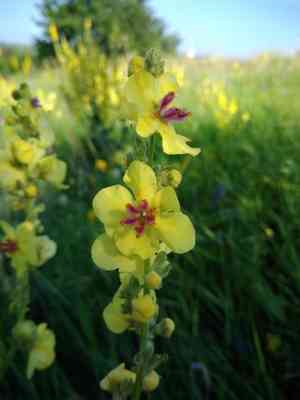
Nettle-leaved mullein brings distinct beauty to any garden with its towering, slender flower stalks, showcasing hues from bright yellows to soft purples. These blossoms emerge on stems that can reach up to six feet, creating a striking focal point in any landscape design.
Pollinator Attraction
A key advantage of Nettle-leaved mullein is its capacity to draw in various pollinators like bees, butterflies, and hummingbirds. This not only boosts your garden's vibrancy but also aids local biodiversity by providing pollinators with food and shelter.
How Nettle-leaved Mullein Benefits the Ecosystem
Soil Health Enhancement
The deep root system of Nettle-leaved mullein is vital for improving soil structure and vitality. By penetrating deep into the earth, its roots assist with aeration and water absorption, lessening soil compaction and erosion. This results in healthier soil, with better moisture retention and nutrient availability for other plants.
Weed Control
Nettle-leaved mullein is recognized for its vigorous growth, which can effectively suppress undesirable weeds. Its dense foliage covers the ground, limiting sunlight to the soil surface, thereby preventing weed seeds from sprouting and growing. This natural weed management reduces the need for chemical herbicides, promoting a more eco-friendly gardening approach.
Can Nettle-leaved Mullein Thrive in Diverse Garden Environments?
Soil Type Versatility
A remarkable characteristic of Nettle-leaved mullein is its ability to adapt to various soil conditions. Whether your soil is sandy, loamy, or even slightly clayey, Nettle-leaved mullein can establish itself successfully. This makes it an excellent choice for gardeners facing difficult soil, as it needs minimal soil amendments to flourish.
Drought Resilience
Nettle-leaved mullein is highly drought-resistant once mature, a significant benefit in areas with water scarcity or during dry periods. Its deep root system allows it to access moisture from deeper soil layers, ensuring its survival and reducing the need for frequent watering. This conserves water and makes Nettle-leaved mullein a low-maintenance yet robust plant.
What are the Historical Applications of Nettle-leaved Mullein?
Decorative Uses
Historically, Nettle-leaved mullein has been a popular option for decorative purposes. Its tall flower spikes are frequently used in garden borders, cottage gardens, and wildflower meadows, adding vertical interest and vivid colors. The plant's distinctive appearance can complement various garden styles, making it a versatile ornamental choice.
Ecological Contributions
Beyond its decorative value, Nettle-leaved mullein significantly contributes to ecological balance. By offering nectar and pollen, it supports a range of pollinators, which are crucial for the reproduction of many other plants. Additionally, its hardiness makes it a valuable plant for land restoration projects, where it can help reestablish vegetation and stabilize soil.
Advice for Successful Nettle-leaved Mullein Cultivation
Ideal Planting Conditions
Nettle-leaved mullein prefers full sun to partial shade and well-drained soil. When planting, ensure each plant has ample room to grow, typically about 18-24 inches apart. This spacing allows for good air circulation, reducing the likelihood of fungal diseases.
Upkeep and Care
Once established, Nettle-leaved mullein requires minimal upkeep. Water the plants moderately during dry spells, but avoid overwatering as this can lead to root rot. Removing spent flowers can encourage more blooming and prevent unwanted self-seeding. In colder climates, a layer of mulch can protect the roots during winter.



