How to Transplant Bladderwort?
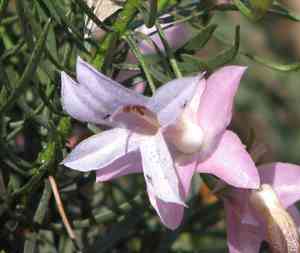
Relocate bladderwort during the springtime, specifically from the cessation of frost until trees begin to flourish. Select environments that are aquatic or perpetually damp, providing sufficient illumination but avoiding direct sunlight. A careful approach is essential, given bladderwort's fragile constitution.
What Preparations are Needed Before Transplanting Bladderwort?
What is the Ideal Time for Transplanting Bladderwort?
The most suitable period to move bladderwort is from early spring to the beginning of summer. Relocating bladderwort during this timeframe aligns with its natural growth cycle, promoting stronger establishment and improved resilience. By selecting this season, you provide bladderwort with an advantage in milder conditions, which is vital for a plant with an annual life cycle. This timing allows bladderwort to benefit from increasing daylight and warmth, creating an optimal environment for post-transplant success.
How Much Space Should You Leave Between Bladderwort Plants?
When relocating bladderwort, allow ample room for development. Aim for a distance of approximately 4-6 inches (10-15 cm) between each plant. This spacing will ensure each bladderwort has sufficient area to grow robustly without competing for essential nutrients or sunlight.
What is the Best Soil Mix for Bladderwort Transplanting?
For bladderwort, a fertile, well-draining soil mixture is ideal. Before planting, incorporate some organic material or a balanced, slow-release fertilizer to give your bladderwort an excellent start. A peat-based soil blend can also be a superb option for these charming small plants.
Where Should You Relocate Your Bladderwort?
Select a sunny location for your bladderwort where they will receive abundant light, but be cautious of intense afternoon sun in hotter regions, which might be too harsh. Ideally, choose a spot that gets bright, indirect light for most of the day for healthy, happy growth.
What Equipments Should You Prepare Before Transplantation Bladderwort?
Gardening Gloves
To safeguard your hands while handling soil and plants.
Watering Can
To hydrate the bladderwort before and after its relocation.
Spade or Trowel
To carefully excavate the bladderwort with minimal root disturbance.
Bucket or Container
To move the bladderwort from its current spot to a new one.
Pruning Shears
To snip off any damaged roots or leaves prior to transplanting.
How Do You Remove Bladderwort from the Soil?
How Do You Remove Bladderwort from the Soil?
From Ground: It's crucial to moisten the soil around bladderwort. Use a spade or trowel to gently loosen the earth around the plant's perimeter. Maintain a safe distance to prevent damage to the root system. Carefully lift the plant upwards, preserving as much of the root ball as possible.From Pot: Start by watering the soil in the pot to facilitate removal. Rotate and tap the pot's sides to loosen the root ball. Gently tilt the pot and ease the bladderwort out, supporting the plant and soil with your hands.From Seedling Tray: Ensure the soil is damp, then gently push the soil from the tray's underside to release the bladderwort. Support the seedling by its leaves rather than its delicate stem as you extract it.
Step-by-Step Guide for Transplanting Bladderwort
Preparation
Begin by lightly watering the bladderwort to ensure its roots are hydrated, which will aid in easier removal and lessen transplant shock.
Root Ball
When extracting the bladderwort from its current spot, retain a good amount of soil around the roots to protect them and maintain stability during the move.
Hole Digging
Excavate a hole in the ground that matches the depth of the root ball and is twice its width. This will allow the roots to spread easily in their new environment.
Placing the Plant
Carefully position the bladderwort in the center of the hole. Ensure it sits at the same level it was growing previously, not deeper.
Soil Refill
Gently backfill the hole with soil, firming it around the base of the bladderwort to eliminate air pockets and provide stability.
Water Thoroughly
After transplanting, generously water the bladderwort to settle the soil and hydrate the roots.
How Do You Care For Bladderwort After Transplanting?
Stabilization
Provide support for the bladderwort if needed, such as a small stake, to help it stay upright and stable as its roots establish in the new location.
Monitoring
Observe the bladderwort for indications of stress, such as wilting or discolored leaves, and take appropriate action if necessary. This aids in early problem detection.
Trimming
Remove any significantly damaged or dying foliage to direct the bladderwort's energy towards healthy growth and root development.
Troubleshooting Common Issues with Bladderwort Transplantation.
Why is my bladderwort not thriving after transplant?
Ensure your bladderwort received sufficient water, isn't root-bound, and is planted with ample space of 4-6 inches (10-15 cm) apart.
Can I transplant bladderwort during summer or fall?
Transplanting bladderwort is best done when spring arrives, avoiding summer or fall for optimal growth.
How deep should I plant bladderwort root balls?
Place the root balls of bladderwort precisely, ensuring they rest comfortably at the same depth they were previously growing.
How much sunlight does transplanted bladderwort need?
Position your bladderwort in a spot where sunlight is gentle, ideally with partial shade to protect its delicate nature.
What should I do if bladderwort shows yellowing leaves post-transplant?
Yellowing in bladderwort may indicate over or underwatering. Provide a balanced amount of water – just right!
Is my bladderwort's slow growth post-transplant normal?
A brief pause in growth is natural as bladderwort adjusts to its new soil environment.
How often should I water bladderwort after transplanting?
Water your bladderwort carefully after transplanting, maintaining moisture without saturating its new home.
What type of soil suits bladderwort best post-transplant?
Offer bladderwort a rich, well-draining soil, and observe its grateful flourishing.
When should I start fertilizing my transplanted bladderwort?
After bladderwort settles in, provide a mild feed to encourage its growth, waiting a few weeks post-transplant.
My transplanted bladderwort seems wilted, what's wrong?
Wilting can signal distress; ensure bladderwort isn't parched, waterlogged, or scorched by the sun. Gently help it regain vitality.



