Enhancing Your Garden Design with the Bladderwort Plant: A Landscaping Guide
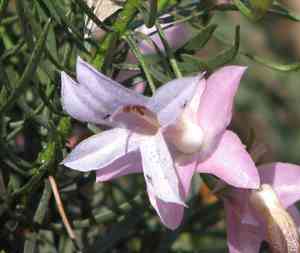
1
Bladderwort flourishes in damp and aquatic environments, ideal for water features.
2
It offers distinct aesthetic appeal through its intricate form and vivid hues.
3
Combining Bladderwort with non-aggressive flora guarantees it receives adequate nourishment.
Appreciating Bladderwort's Visual Appeal
Bladderwort's Unique Visual Characteristics
Bladderwort is recognized for its distinctive, bladder-like formations that aid in nutrient capture. This attribute not only supports its survival but also introduces an intriguing visual element to any garden. These minute bladders are translucent and can be a captivating sight for those interested in botanical science.
Color and Texture Contrast
The vivid hues of Bladderwort, spanning from yellows to greens, provide a bright splash of color that can enhance any landscape. Its delicate, fine leaves offer a textural contrast when planted among plants with broader foliage. This contrast can add dynamic visual interest to your garden, making it a central feature.
Seasonal Changes and Appeal
A key feature of Bladderwort is its seasonal transformation. It flowers from late spring into summer, offering a burst of color during these months. The plant's capacity to alter its visual charm with the seasons can keep your garden looking fresh and engaging throughout the year.
Optimal Placement of Bladderwort in Your Garden
Prime Locations for Visual Impact
Bladderwort functions well as a focal plant in areas where it can draw attention. Its distinctive appearance makes it suitable for prominent spots in your garden, such as near pathways, garden borders, or as part of a stunning mixed-plant display.
Utilizing Bladderwort for Ground Coverage
Given its low-growing habit, Bladderwort can be an excellent option for ground cover in damp areas. This can help suppress weeds while providing a lush, green carpet that enhances your garden's aesthetic appeal.
Proximity to Water Features and Moist Zones
Consider cultivating Bladderwort near ponds, streams, or marshy areas. It thrives in wet conditions and can lend a naturalistic look to your garden's water elements. Its preference for moist soil also makes it ideal for areas that are challenging to maintain with other plants.
Combining Bladderwort with Other Flora
Compatible Plants for Bladderwort
Pair Bladderwort with plants that share similar water and sunlight needs. Species like ferns, hostas, or other bog plants can be excellent companions, as they won't overshadow Bladderwort and can flourish in comparable conditions.
Avoiding Aggressive Species
Refrain from planting Bladderwort near aggressive or invasive species that could dominate it. Plants with spreading roots or large leaves can compete for nutrients and space, impeding Bladderwort's growth.
Thematic Plant Combinations
Design themed gardens by pairing Bladderwort with other plants from its native environment. This could include aquatic plants or those found in wetland habitats. Such themes can result in a cohesive, visually pleasing landscape that mimics nature.
Care Guidelines for a Thriving Bladderwort Landscape
Watering and Moisture Management
Bladderwort requires consistently damp soil. Ensuring your planting area has sufficient water retention is crucial. Regular irrigation, especially during dry periods, can help keep Bladderwort healthy and vibrant.
Seasonal Care Adjustments
Understanding how Bladderwort changes with the seasons can assist in its care. During its flowering period, you may need to monitor water levels more frequently. In winter, while it may recede, keeping the soil slightly moist is vital for its recovery.
Practical Tools for Maintenance
Using tools like a moisture meter can help ensure your Bladderwort receives the correct amount of water. Pruning shears can be used to maintain its form and remove any dead foliage, ensuring your Bladderwort landscape looks its best throughout the year.



