The Bladderwort Plant Advantage: Maximizing Home and Office Appeal and Wellness
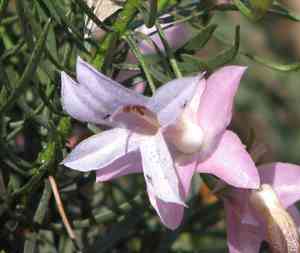
1
Bladderwort flourishes in low-nutrient settings and aids in managing insect numbers.
2
This distinctive flora improves water purity by removing detritus and microbes.
3
Bladderwort is a highly effective predatory plant offering an organic pest remedy.
What Are the Environmental Benefits of Bladderwort?
Natural Pest Control
A key advantage of Bladderwort is its capacity to naturally regulate pest populations. As a carnivorous plant, it captures and consumes small insects and microbes. This offers an excellent method for managing pest issues without chemical pesticides. Its distinct process involves ensnaring prey in small bladder-like structures, effectively lowering insect numbers in its habitat.
Enhancing Water Quality
Another significant advantage of Bladderwort is its contribution to maintaining and improving water quality. By filtering out debris and undesirable microorganisms, Bladderwort keeps its aquatic surroundings clean and balanced. This purification process helps foster a flourishing environment for other flora and fauna, supporting the overall health of the ecosystem.
How Does Bladderwort Adapt to Different Environments?
Growth in Nutrient-Poor Conditions
Bladderwort has evolved to flourish in environments where nutrients are scarce. Its carnivorous nature enables it to acquire vital nutrients from the prey it catches, making it highly effective in nutrient-deficient habitats. This adaptability not only ensures Bladderwort's survival but also aids in preserving ecological balance in its surroundings.
Versatile Habitat Range
Bladderwort is found in diverse habitats, including wetlands, marshes, and shallow water bodies. Its flexibility in adapting to various environments is a primary reason for its widespread distribution. Whether it's a still pond or a flowing stream, Bladderwort can establish itself and thrive, making it an essential plant in maintaining biodiversity across different ecosystems.
What Makes Bladderwort Unique Among Carnivorous Plants?
Efficient Trapping Mechanism
Bladderwort's trapping mechanism is among the most effective of all carnivorous plants. Its bladder-like traps are touch-sensitive and can react quickly to capture prey. This rapid response ensures Bladderwort maximizes its nutrient intake with minimal effort. The ensnared prey is then broken down by enzymes, allowing the plant to absorb necessary nutrients.
Minimal Energy Expenditure
Despite its complex trapping system, Bladderwort uses very little energy in the process. The plant's passive trapping mechanism relies on the prey's own movement, rather than active hunting. This energy-efficient method allows Bladderwort to conserve resources and thrive in environments where energy conservation is vital for survival.
Can Bladderwort Be Used for Scientific Research?
Studying Carnivorous Plant Mechanisms
Bladderwort offers a valuable opportunity for scientists to investigate the mechanisms of carnivorous plants. Its distinctive trapping system and nutrient absorption processes provide insights into plant adaptation and survival strategies in challenging environments. Research on Bladderwort can lead to a deeper understanding of plant biology and the evolutionary processes that drive such adaptations.
Ecological Impact Studies
Bladderwort's role in various ecosystems makes it a central focus for ecological research. By studying its interactions with other species and its influence on habitat health, scientists can better comprehend the intricacies of ecosystem dynamics. This knowledge can inform conservation efforts and help protect delicate habitats where Bladderwort plays a crucial role.



