How to Propagate Bladderwort?
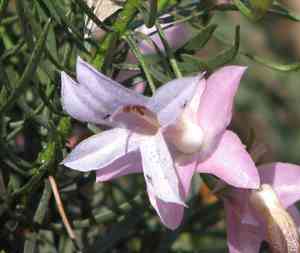
Utricularia, a diminutive carnivorous aquatic flora, frequently thrives in wetlands and other nutrient-deficient settings. Its capacity to ensnare and consume tiny aquatic creatures fulfills its dietary needs. For propagating Utricularia, the primary technique involves sowing. Cultivators must provide a highly moist growing medium to replicate the plant's native environment. Gently scatter the seeds on the surface, taking care not to embed them excessively deep, which ensures sufficient light penetration, vital for sprouting. Apply water with precision to preserve seed position and hydration without dislodging them. Utilizing purified water is crucial to prevent the introduction of disease-causing agents that could harm the fragile young plants.
Optimal Time for Bladderwort Propagation
Propagation Method
Seeding
Propagation Period
Spring
Tools for Bladderwort Propagation
Fine-tipped tweezers
Given the bladderwort's tiny and fragile seeds, fine-tipped tweezers are vital for careful handling and precise placement in the growing medium. This tool minimizes damage during planting and ensures accurate seed distribution.
Shallow water trays
Bladderwort needs a semi-aquatic setup for best growth. Shallow water trays help maintain consistent moisture around seedlings, crucial for their development and to mimic bladderwort's natural wetland environment.
Sterile growing medium
To prevent fungal and bacterial infections that can harm bladderwort's delicate seedlings, using a sterile growing medium is essential. This provides a clean, controlled environment for germination, promoting healthy growth.
Humidity dome
High humidity is crucial for bladderwort seed germination. A humidity dome over the propagation tray helps maintain elevated humidity, simulating the wet, humid environments bladderwort thrives in. This tool also aids in regulating temperature around seeds and seedlings.
Spray bottle
A fine mist spray bottle is used to gently water seeds without disturbing their placement in the growing medium. It allows for even moisture distribution, critical for bladderwort germination. Regular misting helps maintain necessary moisture without over-saturating the medium.
How to Propagate Bladderwort?
Propagation Type
Simple
Caring for Newly Propagated Bladderwort
Caring for Newly Propagated Bladderwort
Post-germination, gradually introduce young bladderwort plants to less humid conditions by permanently removing the plastic cover. Continue growing them in bright, indirect light, and maintain constant soil moisture using distilled water. Transplant them into individual pots or a larger tray once they have developed several leaves and are large enough to handle. Be aware that bladderwort is sensitive to minerals and prefers nutrient-poor conditions, so avoid fertilizing or using tap water.
Common Mistakes to Avoid When Propagating Bladderwort
Overwatering
Excessive watering can lead to root rot in bladderwort, as their roots are delicate and prone to decay in overly moist conditions. This mistake can severely inhibit the plant's ability to absorb nutrients and impair its overall health.
Using nutrient-rich soil
Bladderwort thrives in nutrient-poor substrates. Planting bladderwort in fertile soil can lead to poor growth and development because the high nutrient content can suppress the natural mechanism that bladderwort uses to capture and digest prey, ultimately reducing its survival capabilities.
Neglecting cleanliness
During propagation, not maintaining a clean environment can introduce harmful pathogens to bladderwort. This mistake can lead to infections, which are detrimental to the propagation success and overall health of the plant.
Tips For Propagating Bladderwort
Use proper substrate
Selecting the correct substrate is crucial for bladderwort propagation. Utilizing a mix of peat and sand or perlite can mirror their natural habitat, offering the correct balance of drainage and moisture retention conducive to bladderwort's growth.
Maintain high humidity
Bladderwort benefits greatly from a humid environment, which helps in mimicking its natural wetland habitat. Enclosing the propagation area or using a humidity tray can create a microenvironment that is ideal for the health and proliferation of bladderwort.
Proper water quality
Using distilled or rainwater is essential when watering bladderwort, as tap water can contain minerals and chemicals that can build up in the soil and harm the plant. Ensuring the purity of the water prevents potential issues and promotes healthier development.



