How to Prune Bladderwort?
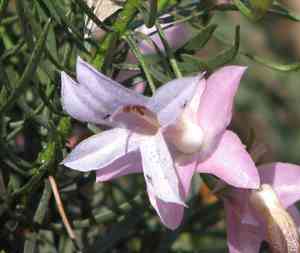
This carnivorous aquatic plant, recognized for its bladder-like traps, flourishes in saturated habitats. Essential trimming methods include eliminating withered flower stems, lifeless or discolored foliage, and any decaying material to sustain vitality. The best periods for pruning are from spring through summer, potentially continuing into autumn if required. Consistent trimming prevents deterioration and fosters robust traps, which are essential for the plant's insect-catching effectiveness. Meticulous removal of detritus is crucial to prevent disruption to the fragile, rootless structure.
What Are the Benefits of Pruning Bladderwort?
What Are the Benefits of Pruning Bladderwort?
Trimming bladderwort promotes strong development and maintains its desired shape. Regularly removing old or overgrown sections leads to a more robust and attractive specimen, ensuring the plant's optimal health and growth.
What Is the Best Time for Pruning Bladderwort?
What Is the Best Time for Pruning Bladderwort?
Pruning bladderwort in Spring coincides with the start of its active growth phase, aiding in better recovery and vigorous growth after trimming. Early Summer pruning is beneficial as it removes any spent flowers from the spring bloom, encouraging a second flush of growth and potential flowering. Fall is generally not recommended since bladderwort prepares for dormancy; any significant pruning could disrupt its natural cycle and weaken the plant. These seasons ensure the health and vitality of bladderwort, considering its specific growth cycle and seasonal adjustments that impact its well-being.
What Tools Do I Need to Prune Bladderwort?
Fine-pointed scissors
Given the delicate and small nature of bladderwort, fine-tipped scissors are perfect for precise cuts and minimal harm to surrounding tissue.
Tweezers
Tweezers can be utilized to remove dead or dying traps or blooms without disturbing the rest of the plant, as bladderwort requires a gentle touch during pruning.
Magnifying glass
A magnifying glass will assist in observing the intricate details of bladderwort, ensuring accurate pruning without damaging its tiny structures.
Gloves
While bladderwort is not a thorny or difficult plant to manage, wearing gloves can prevent the transfer of oils or residues from hands that might affect sensitive aquatic environments.
Disinfectant for tools
Disinfecting pruning tools prior to use helps prevent the spread of disease to bladderwort, which can be critical due to their often aquatic habitat.
How to Prune Bladderwort
Disinfect
Before beginning the pruning process, sterilize your cutting implements with alcohol or disinfectant to prevent the transmission of diseases to bladderwort.
Identify
Carefully examine bladderwort to locate the withered leaves that require removal. Withered leaves typically appear brown, shriveled, or have a generally dead look.
Remove
Using your sterilized scissors or tweezers, gently snip the withered leaves at their base where they connect to the stem or rhizome. Take extra care not to harm the nearby healthy leaves or structures of bladderwort.
Dispose
Properly discard the removed withered leaves, away from the healthy bladderwort plants, to avoid the potential spread of any pests or diseases that may be present on the decaying plant material.
Monitor
After pruning, observe bladderwort for signs of new growth or any indicators of stress. Regularly check for the appearance of additional withered leaves and remove them as needed to maintain plant health.
Common Pruning Mistakes with Bladderwort
Over-Pruning
Removing too much foliage at once can stress bladderwort, potentially leading to stunted growth or reduced plant vigor. Inexperienced gardeners often make the error of cutting back the plant too severely.
Pruning During Flowering
Trimming bladderwort while it is blooming may negatively impact flower production. Since flowering times are not to be discussed, gardeners should be cautious of pruning without knowledge of the plant's growth cycle.
Incorrect Technique
Using dull or dirty tools can damage bladderwort's delicate stems and leaves, potentially introducing diseases. It's crucial to use clean, sharp tools for precise cuts.
Disregarding Plant Health
Pruning without assessing the health of bladderwort might remove healthy growth instead of targeting dead or diseased material, which does not promote the plant's well-being.
Ignoring Plant Structure
Failing to consider the natural shape and growth habit of bladderwort can result in an unnatural appearance and harm the plant's structural integrity.
Common Pruning Tips for Bladderwort
Identify Target Areas
Focus on removing any dead or yellowing leaves to maintain bladderwort's health. This allows the plant to direct energy to new growth and supports its carnivorous behavior.
Encourage New Growth
Pruning should stimulate bladderwort to produce fresh, vigorous growth. Pinch back the tips of the stems, which helps the plant to branch out and become fuller.
Cleanliness
Always use sterilized pruning tools to avoid the transfer of pathogens to bladderwort. Cleaning tools between cuts can prevent disease spread, especially when working with multiple plants.
Consistency
Regularly inspect bladderwort for dead material to prune; this will keep the plant healthy and prevent the need for more drastic measures in the future.
Mind The Roots
Being a rootless, free-floating plant, be cautious when handling bladderwort, as rough treatment can disrupt its natural growth and hinder nutrient absorption.



