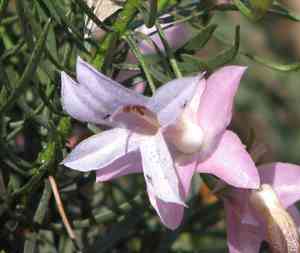
Bladderwort (Utricularia bifida)
Also known as: Small bladderwort
Utricularia bifida is a small, annual carnivorous plant part of the genus Utricularia. Found in regions of Asia and Oceania, it thrives in countries such as Australia, India, China, Japan, and several others in Southeast Asia. This plant typically inhabits damp soils and rice fields. Carl Linnaeus first described U. bifida in 1753.
In This Article
Attributes of Bladderwort
Lifespan
Annual
Plant Type
Herb
Plant Height
5-15 cm
Spread
Not applicable
Leaf Color
Green
Flower Size
1 cm to 2 cm
Flower Color
Yellow
Images of Bladderwort
Quickly Identify Bladderwort
1
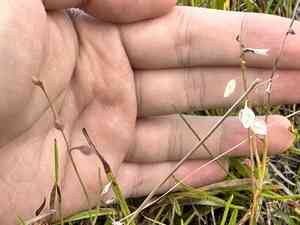
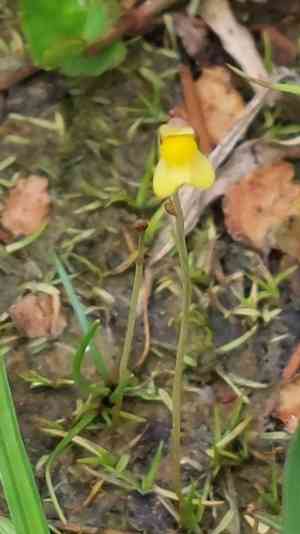
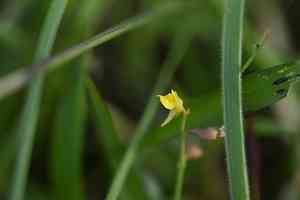
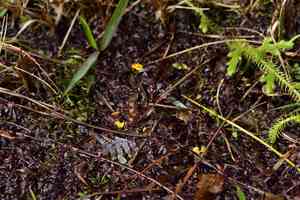
Identifying Utricularia bifida involves looking for its small, narrow leaves and examining its tiny bladder traps. The flowers are often a pale yellow or white, growing on thin stalks.
Scientific Classification of Bladderwort
Phylum
Vascular plants
Class
Dicotyledons
Order
Lamiales
Family
Bladderworts
Genus
Bladderworts
Species
Bladderwort
Planting and Growing of Bladderwort
Care Difficulty
Easy
Watering Schedule
Every 8 days
Sunlight Requirements
Partial sun
Sunshine Duration
6-10 hours
Ideal Temperature
65-75℉
Soil Type
Potting Mix, Peat Mix
Soil pH
4.5-6.5
Fertilizer Type
Balanced
Pruning Season
Spring, Summer
Pruning Area
Branches, Leaves
Pruning Frequency
2 times a year
Repotting Season
Spring
Pot Type
Plastic, Ceramic
 How to Water Bladderwort?
When it comes to watering Utricularia bifida, it's crucial to maintain consistent moisture. The amount should suffice to keep the soil wet but not excessively waterlogged. Aim to apply around 50 ml of water each time, ensuring the plant feels evenly damp. Remember, this plant thrives in moist conditions akin to its natural wetlands habitat.
What are the symptoms of an underwatered Bladderwort?
›
What should I do if my Bladderwort is not getting enough water?
›
What are the symptoms of an overwatered Bladderwort?
›
How to save an overwatered Bladderwort?
›
 What Are the Sunlight Requirements for Bladderwort?
Partial sun allows Utricularia bifida to thrive, balancing enough light for photosynthesis without overpowering its delicate structure, resulting in lush and healthy growth.
What are the best lighting conditions for Utricularia bifida?
›
How can I ensure my Utricularia bifida gets ideal sunlight indoors?
›
What are the ideal lighting hours for my Utricularia bifida?
›
 What Is the Ideal Temperature Range for Bladderwort?
The ideal temperature range for cultivating Utricularia bifida is between 65°F and 75°F. In this range, the plant thrives optimally, exhibiting healthy growth and vibrant foliage. This temperature range mimics the plant's natural habitat, allowing it to photosynthesize efficiently and sustain robust metabolic activity. Monitoring and maintaining this temperature are crucial for ensuring the proper health of the plant.
 What Soil is Best for Bladderwort?
Utricularia bifida thrives in soil that can retain moisture without becoming waterlogged. This quality keeps the plant hydrated while preventing root rot, mimicking its natural boggy habitat. Rich organic matter in the soil supports Utricularia bifida’s unique nutrient needs by breaking down slowly, providing essential nutrients over time while maintaining soil structure. Although moisture-retentive, the soil must also have a well-draining quality to prevent adverse effects on roots, ensuring a balanced environment similar to its native settings.
 How to Fertilize Bladderwort?
When fertilizing Utricularia bifida, it's essential to be conservative. Typically, a diluted liquid fertilizer at 1/4th of the recommended strength for general houseplants is ideal. This ensures the plant receives nutrients without the risk of over-fertilization, which is crucial for its health.
 How to Prune Bladderwort?
Utricularia bifida has very fragile bladder traps that should be handled with care to avoid accidentally cutting or damaging them. Always use clean tools to prevent the introduction of pathogens. Regularly check the plant for signs of decay or distress. Early detection of issues allows you to remove problematic parts swiftly, ensuring the rest of the plant remains healthy.
More About Pruning Techniques→
 How to Propagate Bladderwort plant?
1
Fill the seed trays with a mixture of peat and sand to create a suitable substrate for seed germination. The mixture should be slightly acidic, which mimics the natural habitat of Utricularia bifida. Moisten the substrate evenly before sowing the seeds.
2
Gently scatter the seeds over the prepared substrate in the seed tray. Do not bury the seeds deep; a light dusting of substrate over the seeds will suffice. This allows sunlight to reach the seeds, which can enhance germination prospects.
3
When propagating by division, carefully remove the parent plant from its container. Gently separate a section of the plant, ensuring that each divided portion has a healthy root structure. Replant each division into a separate pot with a suitable substrate mix.
 How to Repot Bladderwort plant?
1
Utricularia bifida should be repotted when it shows signs of overcrowding or restricted growth. Watch for roots emerging from drainage holes or a noticeable slowdown in activity. Repotting in these cases stimulates healthy growth and revitalizes the plant.
2
Select a pot with ample drainage and a size slightly larger than the current one. A pot that is too large can stay wet too long, leading to root rot. Opt for a non-glazed ceramic or plastic container that retains some humidity and suits carnivorous plant needs.
3
The best soil for Utricularia bifida is a mix designed for carnivorous plants, typically sphagnum moss and perlite. This mix provides the appropriate acidity and drainage, supporting the plant's unique feeding mechanisms while preventing waterlogging.



