How to Transplant Common Sweetleaf?
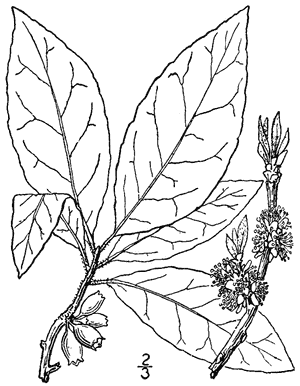
For typical Sweetleaf, the ideal period for root establishment spans from mid-spring to mid-summer, leveraging the damp earth and milder weather. Select a sheltered spot featuring soil that drains effectively, and enrich it with organic material to foster robust growth.
Essential Preparations Before Relocating Common Sweetleaf?
When is the Best Time to Move Common Sweetleaf?
For common Sweetleaf, the ideal period for relocation is from mid to late spring. This timeframe, occurring after the final frost but prior to intense summer heat, facilitates optimal root establishment. Transplanting during this growth-promoting season ensures faster recovery and a strong foundation for the plant's future development. Utilize this calm interval to guarantee common Sweetleaf a smooth transition to its new spot, where it will thrive and enhance your garden's appeal.
What is the Recommended Spacing Between Common Sweetleaf Plants?
When moving your common Sweetleaf, aim for a separation of approximately 8-10 feet (about 2.4-3 meters). Providing ample room allows the plant to grow and flourish without competing for nutrients or sunlight.
What is the Optimal Soil Blend for Common Sweetleaf Transplanting?
For common Sweetleaf, utilize well-drained, loamy soil, rich in organic matter. Initially, apply a slow-release, balanced fertilizer with a 10-10-10 ratio at the plant's base. You will observe a flourishing common Sweetleaf.
Where Should You Replant Your Common Sweetleaf?
Place your common Sweetleaf in an area that receives full sunlight. However, it can tolerate some light shade if the sun is excessively strong. Adequate sun exposure will ensure your common Sweetleaf receives the necessary light.
What Tools Are Needed Before Transplanting Common Sweetleaf?
Gardening Gloves
To safeguard your hands while handling soil and common Sweetleaf.
Spade or Shovel
For digging a hole for the common Sweetleaf and extracting it from its original spot.
Pruning Shears
To trim any damaged or diseased roots or branches of the common Sweetleaf.
Wheelbarrow or Tarp
To transport the common Sweetleaf from its old location to the new one.
Garden Hose or Watering Can
To hydrate the common Sweetleaf both before and after its relocation.
Mulch
To suppress weed growth and maintain soil moisture post-transplanting the common Sweetleaf.
Rooting Hormone (optional)
To encourage the common Sweetleaf to establish its roots more quickly in the new site.
How to Extract Common Sweetleaf from the Ground?
How to Extract Common Sweetleaf from the Ground?
From Ground: Start by watering the common Sweetleaf to soften the soil. Using your shovel or spade, dig a wide circle around the common Sweetleaf, ensuring the root ball stays intact. Work the spade beneath the root ball to lift the common Sweetleaf from its initial position. Handle the plant with care to prevent damage to its roots or branches.From Pot: If the common Sweetleaf is in a container, it should be gently removed by holding the plant's base and lightly tapping the pot's sides. This action should allow the plant and its root ball to slide out. Never pull the plant by its stem, and be cautious not to harm the roots during the process.From Seedling Tray: To remove common Sweetleaf from a seedling tray, first water the tray to moisten the soil. Gently press the bottom of the cell or use a blunt tool to push the seedling upwards, then grasp the seedling's leaves to carefully pull the entire plant out. Ensure no damage occurs to the roots while extracting the plant from the cell.
Detailed Guide for Transplanting Common Sweetleaf
Preparing the Hole
The excavation should be twice as wide and the same depth as the common Sweetleaf's root ball. This provides ample space for roots to spread and establish.
Examining the Roots
Trim off any compromised or unhealthy roots. Apply Rooting Hormone (optional) to stimulate root development.
Positioning the Plant
Place the common Sweetleaf into the hole, ensuring the top of the root ball is level with the ground's surface.
Backfilling the Soil
Refill the hole with the same soil, gently compacting it as you proceed. Avoid burying the common Sweetleaf's crown (where roots meet the trunk) with soil to prevent rot.
Initial Watering
Immediately after backfilling, thoroughly water the common Sweetleaf to settle the soil and eliminate any air pockets.
Applying Mulch
Add mulch around the base of the common Sweetleaf, but ensure it does not touch the stem to prevent decay.
Post-Transplantation Care for Common Sweetleaf
Watering Regimen
The recently transplanted common Sweetleaf should be watered thoroughly right after relocation and subsequently as needed based on weather and soil conditions. Prevent the soil from completely drying out, but also avoid overwatering, which can lead to root rot.
Regular Inspection
Periodically check the common Sweetleaf for any signs of disease or pest infestations and take prompt action if detected.
Pruning Practices
After 2-3 months, lightly prune the common Sweetleaf to encourage denser growth. Always sanitize your pruning shears before this task to prevent disease spread.
Providing Support
If the common Sweetleaf is tall or unstable, consider using support stakes to aid its establishment in its new location.
Addressing Common Issues During Common Sweetleaf Transplantation.
What is the best season for moving common Sweetleaf?
The optimal period to transplant common Sweetleaf is between late spring and mid-summer (S2-S5). This timeframe allows the plant sufficient time to establish itself before colder weather arrives.
What spacing should I use when planting common Sweetleaf?
Common Sweetleaf thrives with ample room to grow. We suggest leaving approximately 8-10 feet (2.4-3.0 meters) between each plant. It's a generous space, but highly beneficial!
What pot size is necessary for transplanting common Sweetleaf?
Select a pot that is at least 12 inches (30 cm) in diameter. Larger containers enable common Sweetleaf to comfortably spread its roots and develop into a healthy mature plant.
What is the preferred soil type for common Sweetleaf during relocation?
Common Sweetleaf favors well-draining soil to prevent root rot. A blend of loam, sand, and a small amount of compost or peat moss would be ideal.
How deep should I plant common Sweetleaf?
Plant common Sweetleaf at the same depth it was growing in its previous container. Exposing too much or too little of its root system can stress the plant and hinder growth.
How frequently should I water common Sweetleaf after transplanting?
Common Sweetleaf requires thorough watering immediately after transplantation. Continue to keep the soil moist, but not waterlogged. Consistent but not excessive watering is key!
Should I prune common Sweetleaf after transplanting?
Yes, you should prune common Sweetleaf right after transplanting. This encourages more branching and helps the plant balance its reduced root mass with its top growth.
What kind of light does common Sweetleaf need after transplantation?
Common Sweetleaf prefers partial to full sun. Be cautious not to expose the newly transplanted common Sweetleaf to intense sunlight immediately, as it could cause stress.
What type of fertilizer should I use after transplanting common Sweetleaf?
A balanced plant food, such as 10-10-10, can be used to boost the plant's strength as it establishes itself. Always follow the manufacturer's instructions for application!
How can I tell if the transplantation was successful?
Indicators of successful transplantation include the emergence of new, healthy leaves and stems. If common Sweetleaf wilts or discolors, it may require more care or an adjustment to its current conditions.



