How to Propagate Common Sweetleaf?
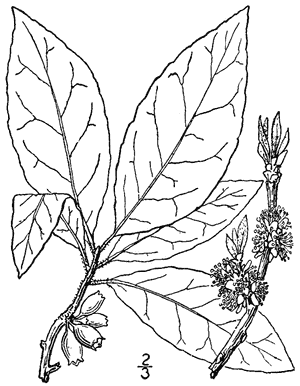
Common Sweetleaf is best multiplied via cuttings and air layering throughout the colder periods of fall and winter. The propagation process presents a moderate challenge, with the emergence of new roots signifying successful establishment. Maintain appropriate hydration levels to foster positive outcomes.
Optimal Time for Common Sweetleaf Propagation
Propagation Method
Cuttings
Propagation Period
Fall,Winter
Tools for Common Sweetleaf Propagation
Sharp pruning shears or scissors
Crucial for making clean, precise cuts when taking common Sweetleaf cuttings. Sharpness minimizes damage to both the parent plant and the cutting, preventing infection and promoting quick healing and root growth.
Rooting hormone
Promotes root development on common Sweetleaf cuttings, boosting propagation success by stimulating root growth at the cut surfaces.
Sterile potting mix
Offers a disease-free environment for common Sweetleaf cuttings to root. A light, well-draining mix supports aeration and moisture retention, key for root formation.
Pots or trays with drainage holes
Holds common Sweetleaf cuttings during rooting, allowing excess water to drain, which prevents root rot and other moisture issues, thus fostering healthy root system development.
Plastic bags or humidity domes
Creates a humid microclimate around common Sweetleaf cuttings, essential for preventing excessive moisture loss from leaves before roots can establish.
Heating mats (optional)
Provides warmth from below, which can enhance rooting success for common Sweetleaf cuttings by maintaining an ideal soil temperature, thereby speeding up root formation and growth.
Post-Propagation Care for Common Sweetleaf
How to Care for Your Newly Propagated Common Sweetleaf?
Once common Sweetleaf cuttings have rooted, typically after several weeks, gradually introduce them to the outdoor environment by progressively increasing the time the propagation cover is open daily. Maintain consistent soil moisture and provide filtered sunlight, as common Sweetleaf prefers partial shade. When new growth appears, indicating establishment, fertilize monthly with a balanced liquid feed. Protect from frost and transplant to a permanent spot when the root system is robust, ensuring good drainage to prevent root rot.
Common Mistakes to Avoid When Propagating Common Sweetleaf
Poor cutting selection
Choosing weak or diseased common Sweetleaf cuttings can result in poor rooting and plant development. This error impedes the successful establishment and growth of new plants.
Overwatering cuttings
Excessive watering of common Sweetleaf cuttings creates a damp environment that can lead to rot and fungal infections. This mistake can destroy the delicate new roots attempting to form.
Using unsterilized tools
Cutting common Sweetleaf with unsterilized tools can introduce pathogens to the cuttings, increasing the risk of infections and diseases that can jeopardize propagation efforts.
Planting depth error
Planting common Sweetleaf cuttings either too deep or too shallow can negatively impact root development and plant stability. Incorrect depth can hinder cuttings from forming a strong root system.
Ignoring rooting hormone
Failing to use a rooting hormone when propagating common Sweetleaf can reduce the likelihood of successful root initiation, especially for cuttings that are harder to root.
Tips For Propagating Common Sweetleaf
Healthy mature plant material
Selecting disease-free, vigorous cuttings from a mature common Sweetleaf enhances the chances of successful rooting and plant development.
Appropriate watering
Maintaining the correct moisture balance is crucial. Common Sweetleaf cuttings should be kept moist but not waterlogged to encourage root development without risking rot.
Sterilization of tools
Using sterilized cutting tools helps prevent the spread of diseases to common Sweetleaf cuttings, promoting healthier plant growth.
Correct planting depth
Planting common Sweetleaf cuttings at the proper depth ensures adequate support and access to moisture for root development.
Use of rooting hormone
Applying a rooting hormone to the cut end of common Sweetleaf cuttings can stimulate root growth and improve the overall success rate of propagation.



