Enhancing Your Garden Design with the Common Sweetleaf Plant: A Landscaping Guide
1
Sweetleaf (Common) offers distinct aesthetic appeal to gardens through its colorful leaves and flowers.
2
Including Sweetleaf (Common) can enhance ecological variety and draw in beneficial insects.
3
Sweetleaf (Common) needs little upkeep, making it an easy option for gardeners with limited time.
An Overview of Common Sweetleaf in Garden Design
Appreciating the aesthetic value of Common Sweetleaf
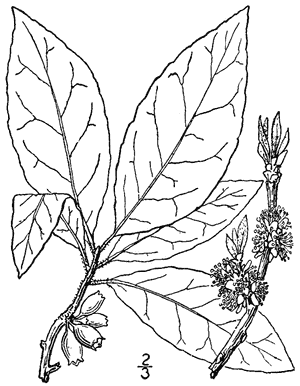
Common Sweetleaf is recognized for its captivating look, which can elevate the beauty of any outdoor area. Its shiny green leaves and occasional vibrant blossoms serve as attractive features. Whether you're cultivating a lively garden or aiming for a peaceful outdoor setting, Common Sweetleaf's distinct appearance can be a compelling centerpiece.
Advantages of incorporating Common Sweetleaf into your garden
Adding Common Sweetleaf to your landscape offers numerous benefits. Beyond its visual appeal, Common Sweetleaf contributes to the local ecosystem by drawing in pollinators such as bees and butterflies. Furthermore, it can function as a natural privacy screen and boasts the advantage of requiring relatively little upkeep, making it a convenient choice for gardeners of all skill levels.
Design Principles for Integrating Common Sweetleaf
Selecting the optimal site for Common Sweetleaf
Choosing the ideal spot for Common Sweetleaf is essential. Ideally, it should be situated where it can receive partial to full sun exposure. Whether as a solitary focal point or part of a larger planting arrangement, placing it in areas with well-draining soil ensures robust growth. Consider its mature dimensions when planting to allow ample space for development.
Pairing Common Sweetleaf with other plant varieties
Common Sweetleaf harmonizes well with various plant species. To achieve a cohesive garden design, consider complementary hues and textures. Combining Common Sweetleaf with shrubs and perennials that possess contrasting foliage or flower colors can make each plant stand out. Ferns, hostas, and flowering plants are excellent companions for Common Sweetleaf, fostering a visually appealing and diverse landscape.
Seasonal considerations for Common Sweetleaf
Understanding the seasonal characteristics of Common Sweetleaf aids in planning your garden throughout the year. Common Sweetleaf typically flowers in spring, adding early color to your landscape. Throughout summer and autumn, its foliage remains vibrant, and during winter, it can provide structural interest. Planting with seasonality in mind ensures your garden remains attractive year-round.
Maintenance Guidelines for Common Sweetleaf in Landscapes
Fundamental care requirements
Maintaining Common Sweetleaf is relatively straightforward. Consistent watering, especially during dry periods, helps keep it healthy, though it is quite drought-tolerant once established. Occasional trimming to remove dead or damaged branches encourages new growth and preserves an appealing form. Fertilizing Common Sweetleaf with a balanced feed in early spring supports its growth and blooming potential.
Addressing common problems
While Common Sweetleaf is generally resilient, it can occasionally encounter issues like pests or diseases. Regularly inspect your plants for signs of trouble, such as discolored leaves or unusual growth patterns. Treat pest infestations with appropriate organic or chemical solutions, and ensure good air circulation around Common Sweetleaf to prevent fungal ailments. Promptly resolving problems can prevent them from escalating.
Innovative Applications of Common Sweetleaf in Outdoor Areas
Creating focal points with Common Sweetleaf
Utilize Common Sweetleaf to establish striking focal points in your garden design. Its vibrant foliage can attract attention, making it an ideal centerpiece in flower beds or as a solitary specimen plant. Pairing it with decorative containers or positioning it against architectural elements like garden walls can further amplify its impact.
Enhancing pathways and borders
Plant Common Sweetleaf along garden paths or edges to define spaces and add structure. Its consistent foliage provides a tidy appearance, guiding visitors through your garden effortlessly. This method not only improves the look of walkways but also integrates Common Sweetleaf into the overall landscape design effectively.
Incorporating Common Sweetleaf into patio designs
Common Sweetleaf can be a perfect addition to patio gardens. Cultivating it in pots allows you to reposition it as needed to enhance outdoor seating areas. Its lush greenery complements furniture and decor, creating a cozy and inviting ambiance. Using Common Sweetleaf on patios is an excellent way to introduce natural beauty to smaller or urban garden spaces.



