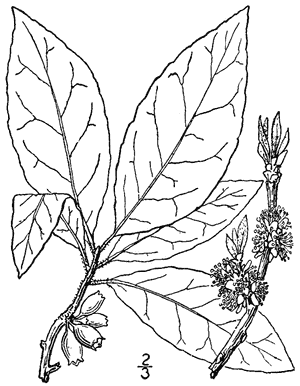
Common Sweetleaf (Symplocos tinctoria)
Also known as: Yellowwood
The Common Sweetleaf (Symplocos tinctoria) is a semi-evergreen plant traditionally utilized for its yellow dye, which was used to color fabrics such as tapestries, clothing, and yarn. As the tree ages, its bark thickens and develops deep fissures, giving it a distinctive appearance, especially when the leaves have fallen. Additionally, the root system often produces sucker shoots, making the plant resemble a shrub rather than a typical tree.
In This Article
Attributes of Common Sweetleaf
Lifespan
Perennial
Plant Type
Shrub
Plant Height
8 m to 11 m
Spread
4.5 m to 6 m
Leaf Color
Green
Flower Size
2.5 cm to 5 cm
Flower Color
Yellow Cream White Gold
Images of Common Sweetleaf

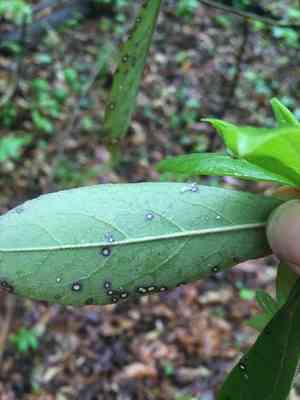
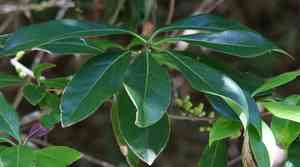
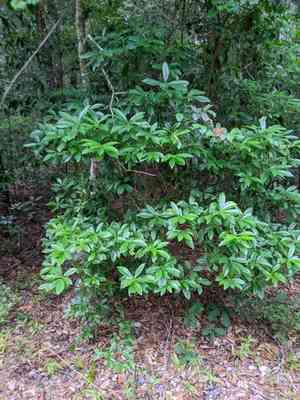
Quickly Identify Common Sweetleaf
1
Leaves have pale yellow undersides, sweet when tasted, aiding in quick differentiation.
2
Clusters of small, white flowers with numerous showy stamens in early spring.
3
Orange-brown 1/2-inch drupes in late summer, enhancing visual appeal of the plant.
4
Bark evolves from smooth grayish green to warty with shallow pits as tree ages.
5
Alternate branches forming an open crown, with textured bark and irregular branching pattern.
Scientific Classification of Common Sweetleaf
Phylum
Vascular plants
Class
Dicotyledons
Order
Ericales
Family
Sweetleaf
Genus
Sweetleaf
Species
Common Sweetleaf
Planting and Growing of Common Sweetleaf
Care Difficulty
Easy
Watering Schedule
Every 2 days
Sunlight Requirements
Partial sun
Sunshine Duration
4-8 hours
Ideal Temperature
60-75℉
Soil Type
Potting Mix, Peat Mix
Soil pH
4.5-6.5
Fertilizer Type
Balanced
Pruning Season
Spring, Summer
Pruning Area
Branches, Leaves
Pruning Frequency
2 times a year
Repotting Season
Spring
Pot Type
Plastic, Ceramic
 How to Water Common Sweetleaf?
For Symplocos tinctoria, ensure that the soil is drenched thoroughly until water seeps out from the drainage holes. This ensures the entire root system is well hydrated. However, the soil should be allowed to dry out moderately between waterings to simulate its native environment.
What are the symptoms of an underwatered Common Sweetleaf?
›
What should I do if my Common Sweetleaf is not getting enough water?
›
What are the symptoms of an overwatered Common Sweetleaf?
›
How to save an overwatered Common Sweetleaf?
›
 What Are the Sunlight Requirements for Common Sweetleaf?
Symplocos tinctoria thrives in partial sun to full shade environments. Providing this range allows the plant to maintain healthy leaves and supports its natural growth patterns, leading to a robust, vibrant plant.
More About Sunlight Requirements Techniques→
What is the best location for Symplocos tinctoria?
›
How can you achieve optimal lighting indoors?
›
What are the benefits of ideal light exposure?
›
 What Is the Ideal Temperature Range for Common Sweetleaf?
The ideal temperature range for cultivating Symplocos tinctoria is between 60°F to 75°F. This range supports optimal growth and development, ensuring that the plant performs well in photosynthesis, nutrient absorption, and cellular functions. Within this range, the plant can maintain its physiological processes without stress, promoting vigorous growth and robust health.
 What Soil is Best for Common Sweetleaf?
Symplocos tinctoria thrives in nutrient-rich loam soils because they provide a balanced mix of sand, silt, and clay that retains moisture and nutrients while offering good drainage. This balance ensures the plant has access to essential nutrients and water without becoming waterlogged, supporting healthy growth and development. This plant requires well-drained soil to prevent root rot, a common issue if the roots sit in water for prolonged periods. Adequate drainage helps air circulate around the roots, enhancing root respiration and nutrient uptake, contributing to a robust growth. Symplocos tinctoria is adapted to slightly acidic to neutral soils, which helps in nutrient availability particularly iron and magnesium, essential for its lush foliage. Maintaining a soil pH around 5.5 to 6.5 helps prevent nutrient lock-up and ensures vibrant plant health.
 How to Fertilize Common Sweetleaf?
Symplocos tinctoria benefits from moderate fertilization. Apply about 1/2 cup of general-purpose fertilizer per plant during the growing season for balanced growth and health. Ensure even distribution for optimal results.
 How to Prune Common Sweetleaf?
Start by observing the natural shape of your Symplocos tinctoria. Look for any dead or crossing branches and identify areas where thinning is required to improve airflow and light penetration. Begin by cutting away any dead or diseased branches. This not only improves the plant's appearance but also encourages healthier growth by redirecting energy and resources. Trim back any excessive growth that detracts from the desired shape. Focus on creating a balanced structure that allows sunlight to reach inner branches, which helps reduce the risk of diseases. Once the main pruning is done, take a step back and assess your work. Make minor adjustments to ensure symmetry and a tidy appearance, fostering a well-maintained aesthetic.
More About Pruning Techniques→
 How to Propagate Common Sweetleaf plant?
1
Choose a robust and healthy parent plant free of disease or pests, as this will improve the success rate of your cuttings or seeds.
2
Prepare a well-draining potting mix by combining equal parts of peat and perlite to create an environment conducive to root development.
3
Using sharp pruners, cut a 4-6 inch long stem from a healthy branch, ensuring there are at least a few nodes present for root initiation.
 How to Repot Common Sweetleaf plant?
1
Symplocos tinctoria should be repotted when the roots begin to outgrow the current pot, often peeking through the drainage holes. This is a clear signal that it's time to give them more room to spread out. Repotting is best done early in the growing seasons such as spring or early summer when the plant is naturally more resilient and can recover from transplant shock efficiently.
2
Opt for a pot that's about one size larger than the current one. Ensure it has ample drainage holes to prevent waterlogging. The benefit of this is to reduce the risk of root rot while allowing sufficient space for the roots to expand, which encourages healthy growth and flowering.
3
Symplocos tinctoria thrives in well-draining, acidic soil. A good mix would include peat, pine bark, and perlite. Such a composition not only helps in maintaining the required acidity but also allows for air circulation, preventing compaction around the roots and promoting nutrient uptake.
Learn More About Common Sweetleaf Diseases
Anthracnose
Bacterial Leaf Spot
Bacterial Soft Rot
Bacterial Wilt
Black Spot
Chemical Injury
Crown Gall
Cyst Nematode
Damping-off
Downy Mildew
Drought Stress
Fusarium Wilt
Gray Mold
Leaf Curl
Leaf Spot
Mosaic
Nutrient Deficiency
Nutrient Toxicity
Powdery Mildew
Root Rot
Root-knot Nematode
Rusts
Sooty Mold
Spider Mites
Temperature Stress
Thrips Damage
White Mold



