The Common Sweetleaf Plant Advantage: Maximizing Home and Office Appeal and Wellness
1
Common Sweetleaf is recognized for its inherent ability to produce dyes.
2
This plant makes a superb decorative feature in outdoor spaces.
3
Common Sweetleaf aids regional ecosystems by offering shelter to animals.
What are the Distinctive Features of Common Sweetleaf?
Physical Characteristics
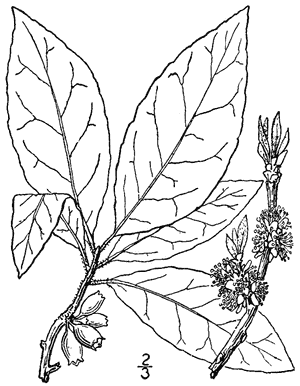
Common Sweetleaf is recognized by its shiny green foliage and small, aromatic yellow blossoms. This plant typically develops as a shrub or small tree, offering a pleasing aesthetic that enhances any garden or outdoor space. Its leaves often release a pleasant scent when crushed, adding an olfactory element to its visual charm.
Natural Environment
This plant flourishes in well-drained soils and is frequently found in forests and alongside rivers in its native regions. Its adaptability to various soil types makes it a versatile addition to numerous settings, whether in wild ecosystems or cultivated landscapes.
How Does Common Sweetleaf Benefit the Ecosystem?
Wildlife Support
Common Sweetleaf plays a vital role in sustaining local ecosystems. Its dense foliage offers refuge and nesting spots for birds and small animals, while its flowers attract pollinators like bees and butterflies. This boosts the area's biodiversity, contributing to a balanced and healthy environment.
Soil Improvement
The roots of Common Sweetleaf aid in preserving soil structure and reducing erosion. By binding soil particles together, the plant contributes to maintaining soil integrity, which is crucial for preventing landslides and sustaining fertile ground for other plant species.
Why is Common Sweetleaf an Excellent Choice for Your Garden?
Aesthetic Appeal
Common Sweetleaf adds significant decorative value to gardens due to its attractive leaves and flowers. Its versatility allows it to be used as a focal point or as part of a garden arrangement. The sweet fragrance of its flowers also enhances the sensory experience of any garden area.
Low Maintenance Needs
One of the key advantages of Common Sweetleaf is its minimal care requirements. It's a robust plant that can endure a range of conditions with little attention. This makes it an ideal option for both beginner and experienced gardeners seeking an easy-to-care-for yet visually appealing plant.
Can Common Sweetleaf Be Utilized for Practical Purposes?
Natural Dye Production
Common Sweetleaf has been historically used for its dyeing properties. The leaves and bark of the plant can be processed to yield a yellow dye, which is employed in textiles and other materials. This natural dyeing technique is environmentally friendly and offers an alternative to synthetic dyes.
Crafting and Decorative Uses
Beyond dyeing, Common Sweetleaf can also be incorporated into various crafts. Its pliable branches and sturdy leaves are well-suited for creating decorative items such as wreaths and floral arrangements. This adds a rustic, natural touch to home decor and craft projects.
How to Grow and Care for Common Sweetleaf?
Optimal Growing Conditions
To successfully cultivate Common Sweetleaf, ensure it is planted in well-drained soil with ample sun exposure. While it can tolerate partial shade, full sun promotes optimal growth and blooming. Regular watering during dry periods helps maintain its health and vibrancy.
Pest and Disease Control
Common Sweetleaf is relatively resistant to pests and diseases, but occasional observation can help prevent any issues. In the event of a pest infestation, natural remedies like neem oil or insecticidal soap can be effective. Regular pruning helps in maintaining its shape and encourages new growth.



