How to Prune Common Sweetleaf?
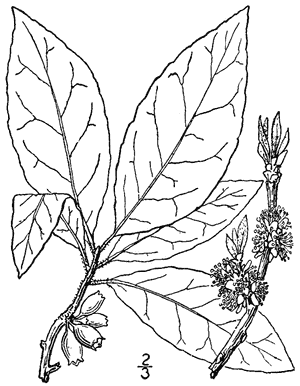
Originating from Eastern North America, this subcanopy woody plant is valued for its fragrant, honey-like blossoms and bark that produces a yellow pigment. For typical Sweetleaf, trim to sculpt and eliminate deceased or intersecting limbs in late winter to early spring prior to the emergence of new foliage. This schedule aids in stimulating the subsequent season's development, diminishes the likelihood of illness, and preserves an appealing, organic silhouette. Reducing the density of older stalks improves air circulation and light exposure, which are vital for the well-being and blooming capacity of this particular species.
What Are the Advantages of Trimming Common Sweetleaf?
What Are the Advantages of Trimming Common Sweetleaf?
Trimming common Sweetleaf promotes robust development and preserves its desired form. Precise cuts enhance light exposure and air circulation, vital for strong health. Timely trimming keeps common Sweetleaf visually appealing and manageable in size, contributing to its longevity and vigor.
When Is the Optimal Time for Trimming Common Sweetleaf?
When Is the Optimal Time for Trimming Common Sweetleaf?
Trimming common Sweetleaf during late winter or early spring aligns with its dormant phase, preceding its active growth. At this time, when the plant is not actively growing, it is less vulnerable to stress and diseases that pruning cuts might cause. Furthermore, trimming before new growth in early spring allows for shaping the plant, removing damaged or diseased limbs, and encourages healthier and more vigorous foliage and flower production in the upcoming season. These ideal periods help maintain common Sweetleaf's natural shape, prevent unnecessary harm, and support its flowering and fruiting potential post-trimming.
What Tools Are Necessary to Trim Common Sweetleaf?
Hand Pruners
Perfect for making clean cuts on smaller stems and branches of common Sweetleaf, ensuring minimal harm.
Lopping Shears
Best for cutting thicker branches of common Sweetleaf that are too large for hand pruners to manage.
Pruning Saws
Useful for cutting mature or larger branches where loppers cannot reach or when more leverage is required.
Hedge Shears
Suitable for shaping and maintaining the dense foliage of common Sweetleaf, allowing for even and aesthetically pleasing cuts.
Pole Pruners
An excellent choice for reaching higher branches of common Sweetleaf without using a ladder, enhancing safety during trimming.
How to Trim Common Sweetleaf
Cleaning
Before beginning, clean and sanitize your trimming tools to prevent the spread of disease to common Sweetleaf. Sterilize the blades with rubbing alcohol or a bleach solution, and sharpen them to ensure clean cuts.
Old Wood Removal
Assess common Sweetleaf for any old wood that no longer produces foliage or flowers. Use sharp, clean tools to make angled cuts just above healthy buds or branches to encourage new growth while preserving the structure of common Sweetleaf.
Dead Branches
Identify and remove dead branches from common Sweetleaf by cutting at the point where the dead branch meets healthy tissue. Ensure you do not damage the collar, which is the swelling at the base of the branch, as this helps common Sweetleaf heal properly.
Wounded Limbs
Inspect common Sweetleaf for any limbs with wounds or signs of disease. Trim these limbs back to healthy wood, ensuring that you make the cut at a downward angle away from the remaining healthy part of the limb to prevent water accumulation and further disease.
Cleanup
After trimming common Sweetleaf, collect and dispose of all trimmed material to minimize the risk of disease and insect infestation. Conclude the trimming session by cleaning the tools again as you did in step 1.
Common Trimming Errors with Common Sweetleaf
Over-trimming
Removing too much foliage can stress common Sweetleaf, impeding its growth and flowering. It's vital to trim no more than one-third of the plant at a time.
Incorrect Tools
Using dull or dirty tools can result in jagged cuts or introduce diseases. Always use sharp, clean trimming shears for common Sweetleaf.
Flush Cuts
Making cuts too close to the main stem can damage the collar of common Sweetleaf leading to decay. Instead, trim just above the branch collar.
Neglecting Deadwood
Failing to remove dead or diseased branches can negatively impact common Sweetleaf's overall health and appearance.
Stripping Interior
Stripping out too much interior growth can reduce airflow and light penetration, which is crucial for the health of common Sweetleaf.
Topping
Cutting off the top of the plant (topping) can disfigure common Sweetleaf, leading to weak new growth that is prone to damage.
General Trimming Advice for Common Sweetleaf
Selective Trimming
Focus on selective trimming to maintain common Sweetleaf's natural shape, removing only overgrown or weak branches.
Branch Collars
Cut outside the branch collar without damaging it to promote proper healing after branch removal.
Healthy Growth
Promote healthy growth by trimming just above a bud facing the outside of the plant. This encourages outward growth for common Sweetleaf.
Cleanliness
Keep all tools clean and sterilize them between cuts, especially when removing diseased material from common Sweetleaf.
Crossing Branches
Identify and remove any crossing branches to prevent damage through friction and to maintain a good structure for common Sweetleaf.
Rejuvenation
If necessary, perform a rejuvenation trim by cutting back the oldest stems to stimulate new growth for common Sweetleaf.



