How to Transplant Queen palm?
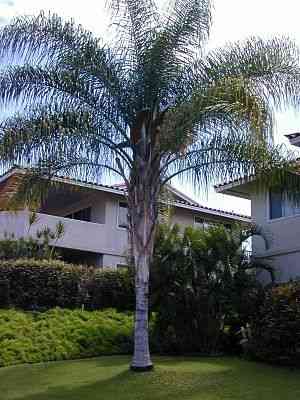
The ideal period to relocate queen palm is in the mild temperatures of late spring through early summer, which fosters optimal root development and settling. Select a bright spot with soil that drains effectively for the transplantation. Carefully untangle the roots to facilitate a more seamless adjustment to its new surroundings.
What Preparations are Needed Before Transplanting Queen Palm?
What is the Ideal Time for Transplanting Queen Palm?
The best period for relocating queen palm is late spring transitioning into early summer. This timeframe allows the plant to gradually acclimate, fostering healthy development. Additionally, the warm ground promotes rapid root establishment, enabling queen palm to flourish.
How Much Space Should You Leave Between Queen Palm Plants?
When moving queen palm, ensure a separation of 20-30 feet (6-9 meters) between each plant. This guarantees sufficient room for individual growth and the development of a strong root system.
What is the Best Soil Mix for Queen Palm Transplanting?
Prepare the ground for queen palm using well-draining soil rich in organic material. For an optimal start, enrich the soil with a thoroughly composted base fertilizer, ensuring a successful relocation process.
Where Should You Relocate Your Queen Palm?
Select a site for queen palm that receives full sun or partial shade. This means at least 6-8 hours of direct sunlight daily, allowing the plant to thrive and grow beautifully.
What Equipments Should You Prepare Before Transplantation Queen Palm?
Gardening Gloves
To protect your hands when handling soil and the queen palm plant.
Shovel or Garden Spade
For excavating the hole in the ground for replanting.
Pruning Shears
To remove any dead or diseased branches from the queen palm prior to transplanting.
Wheelbarrow or Tarp
To transport the queen palm plant and maintain a tidy work area.
Watering Can or Garden Hose
To hydrate the plant before and after planting.
Sturdy Stake
To provide support for the queen palm plant after transplanting, considering its potential height.
How Do You Remove Queen Palm from the Soil?
How Do You Remove Queen Palm from the Soil?
From Ground: Initially, saturate the soil surrounding the queen palm plant; this helps keep the root system intact. Carefully, dig a trench around the plant, ensuring adequate distance from the base to protect the root ball. Gradually work your shovel or spade beneath the root ball and gently lift the plant from the soil.From Pot: If the queen palm plant is in a container, water thoroughly to facilitate removal. Tilt the pot sideways, gently hold the plant at its base, and pull it out. If it's difficult, tap the sides and bottom of the pot to loosen the soil.From Seedling Tray: If the queen palm has been started in a seedling tray, extreme caution is required. Use a butter knife or similar tool to carefully separate the tray cells. You can then lift out the seedling by holding onto a leaf, not the stem.
Step-by-Step Guide for Transplanting Queen Palm
Hole Preparation
Excavate a hole large enough to accommodate the queen palm's root ball. The hole should be twice as wide and of similar depth to the root ball.
Plant Positioning
Place the queen palm in the hole so that the top of the root ball is level with the ground surface. Adjust the soil beneath the root ball if necessary.
Backfilling
Refill the hole with the excavated soil. Lightly compact the soil around the root ball to eliminate any air pockets.
Staking
Erect a robust stake next to the queen palm plant to offer support and prevent leaning. Be careful not to harm the root ball when inserting the stake.
Watering
Water immediately after planting to help settle the soil. Use a moderate pressure watering hose or can.
How Do You Care For Queen Palm After Transplanting?
Watering Routine
Maintain a consistent watering schedule for queen palm; it prefers uniformly moist but well-drained soil. Over or under-watering can stress the plant.
Stake Checking
Regularly inspect the stake to ensure it continues to provide sufficient support to the queen palm. Adjust it if needed.
Pruning
Trim any dead or diseased leaves or branches to encourage healthy growth. Be cautious not to over-prune as it might stress the plant.
Insect and Disease Watch
Monitor for pests and signs of diseases. Early detection can prevent significant plant damage.
Mulching
After one to two weeks, consider applying mulch around the base of your queen palm. This helps retain soil moisture and suppress weed growth.
Troubleshooting Common Issues with Queen Palm Transplantation.
What is the best time to transplant queen palm?
The optimal period to move your queen palm is during the latter part of spring or the initial stages of summer.
How much space should I leave between each queen palm plant?
Ensure to provide ample room for each plant to develop. The recommended spacing is approximately 20-30 feet (6 to 9 meters) apart.
Does the queen palm require special soil for transplanting?
Queen palm isn't overly particular about soil types, but well-draining soil is essential. It can also tolerate somewhat salty conditions.
How deep should I transplant queen palm?
Dig a hole twice the size of the root ball but no deeper than the root ball itself. The top of the roots should be level with the soil surface.
How much water is required after transplanting queen palm?
Water thoroughly after transplanting, then weekly for the first year. Be careful not to allow the area to become waterlogged.
Is it necessary to add fertilizer after transplanting the queen palm?
Yes, a balanced palm fertilizer, applied as directed, can promote quicker establishment and vigorous growth post-transplantation.
Can I prune queen palm soon after it's transplanted?
You should avoid heavy pruning immediately after transplanting. Allow the queen palm a chance to root properly and regain full vitality first.
What kind of climate is suitable for transplanting queen palm?
Queen palm thrives in subtropical and tropical climates. Choose a sunny location if you're transplanting in a cooler climate.
How to ensure survival during the first winter after transplanting queen palm?
If you reside in a cold region, protect the transplanted queen palm with a frost cloth during its initial winter.
When is the right time to remove the support stakes after transplanting queen palm?
Support stakes should be removed once queen palm is stable, which is typically after one season of growth following transplantation.



