How Much Sunlight Do Queen palm Need?
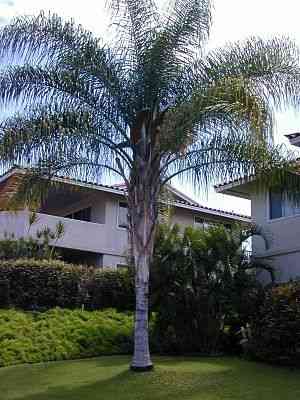
1
Queen palms flourish with ample sunlight, requiring a minimum of six hours of direct sun each day.
2
Lack of adequate light can result in diminished growth and discoloration of foliage in Queen palms.
3
Slowly introduce Queen palms to brighter conditions when transitioning them from shaded areas to sunny spots.
Optimal Light Requirements for Queen Palm
Direct Sun Exposure
The Queen palm, recognized for its graceful, feather-like leaves, flourishes best in full sun. Ideally, this plant should receive a minimum of six hours of direct sunlight daily. Ample sun exposure promotes vigorous growth, leading to lush and vibrant foliage. When situating your Queen palm outdoors, select a location that remains sunny for the majority of the day. This plentiful light supports the palm's development, enhancing its look and vitality.
Indirect Light Conditions
Although Queen palms prefer full sun, they can endure partial sun. In situations where full sunlight isn't available, ensure the plant still gets sufficient indirect light. A spot offering dappled sunlight or light filtered through a canopy can still support decent growth. If cultivating the Queen palm indoors, position it near a south or west-facing window with abundant, bright, indirect light. A balanced light regimen can prevent the plant from becoming leggy and maintain its overall health.
Seasonal Light Adjustments
Seasonal shifts can impact the amount of sunlight your Queen palm receives. During shorter winter days, ensure it still gets adequate light by either relocating it to a brighter spot or supplementing with artificial illumination. In summer, be mindful of intense midday sun, which can sometimes be too harsh. Providing some light shade during peak sun hours can shield the fronds from potential sunburn. Always adapt to the season to maintain prime growth conditions.
Impact of Insufficient Light on Queen Palm
Signs of Light Deprivation
When the Queen palm doesn't receive enough sunlight, it can display several clear indicators. A common symptom is the yellowing of leaves, often beginning at the tips and spreading inward. Another sign is a general dullness or lack of vibrancy in the fronds. Additionally, you might observe slower or stunted growth, with the plant struggling to produce new leaves. Monitoring for these symptoms can help you promptly adjust its lighting to restore health.
Growth and Development Challenges
Prolonged lack of adequate sunlight can lead to significant growth and developmental issues for the Queen palm. The plant may become elongated, with weak, stretched stems as it reaches for available light. Frond production will decrease, and new growth might be small and underdeveloped. In severe cases, the plant's overall health can decline, making it vulnerable to pests and diseases. Ensuring sufficient sunlight is vital for the robust growth of this elegant palm.
Adapting Queen Palm to Various Light Environments
Gradual Light Acclimatization
If you need to move your Queen palm from a shaded to a sunnier location, it's crucial to do so progressively. Abrupt changes in lighting can shock the plant. Begin by exposing it to a few hours of direct sunlight daily, gradually increasing the duration over several weeks. This slow acclimatization allows the plant to adjust to more intense light without suffering stress or sunburn, ensuring a smooth transition and continuous healthy growth.
Utilizing Supplemental Lighting
In situations where natural light is insufficient, especially indoors, artificial lighting can be a viable option. Employ full-spectrum grow lights to mimic natural sunlight, positioning them approximately 30 centimeters (12 inches) above the plant. Ensure the lights are active for about 12-16 hours daily to provide the Queen palm with appropriate light levels. Regularly adjust the light intensity and duration based on the plant's response, and observe for any signs of light deficiency or improvement.
Common Errors in Providing Sunlight to Queen Palm
Excessive Sun Exposure
While Queen palm thrives in sunlight, too much can be detrimental. Overexposure, particularly during peak midday hours, can cause sunburn on the fronds, resulting in brown, crispy edges. To prevent this, offer light shade during the hottest parts of the day or ensure the plant isn't in direct afternoon sun for too long. Monitoring the plant's exposure and making adjustments can prevent overexposure issues and maintain healthy foliage.
Improper Indoor Placement
When cultivated indoors, the positioning of your Queen palm is critical. A frequent error is placing it in an area that is too dimly lit, where it won't receive enough light. Always situate the palm near a bright window where it can get abundant but indirect sunlight. Avoid dark corners or spots far from windows, as this can cause the plant to become leggy and underdeveloped. Rotate the pot regularly to ensure even light exposure and promote balanced growth.



