How to Transplant Bush seepweed?
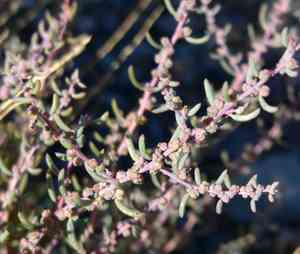
The optimal period to relocate bush seepweed is during the mild temperatures of early to mid-spring, which provides an excellent environment for root development. Select a bright spot with soil that drains effectively to foster robust growth. When moving the plant, strive to reduce any disruption to the roots of this hardy specimen.
What Preparations are Needed Before Transplanting Bush Seepweed?
What is the Ideal Time for Transplanting Bush Seepweed?
The perfect time for relocating bush seepweed is during the onset of spring. This period, typically from late March to April, provides prime conditions for growth. By moving bush seepweed in these months, you'll take advantage of the mild temperatures and increasing daylight, which naturally aid root establishment and plant vitality. This timely action strengthens bush seepweed against the upcoming summer stresses, making your gardening efforts both pleasant and productive.
How Much Space Should You Leave Between Bush Seepweed Plants?
When getting ready to place bush seepweed in its new spot, consider its need for personal space! Aim for a gap of approximately 6-12 inches (15-30 cm) between each plant. This allows each bush seepweed ample room to thrive and breathe.
What is the Best Soil Mix for Bush Seepweed Transplanting?
Before introducing bush seepweed to the garden bed, prepare a comfortable soil mix to help it flourish! Choose well-draining soil and enrich it with a balanced, slow-release fertilizer to nourish bush seepweed as it develops.
Where Should You Relocate Your Bush Seepweed?
Our friend bush seepweed loves a sunny location to absorb the warmth! Select a spot that receives full sunlight for most of the day. That's where bush seepweed will be most content!
What Equipments Should You Prepare Before Transplantation Bush Seepweed?
Gardening Gloves
To safeguard your hands while handling soil and plants.
Shovel or Spade
For excavating the hole and lifting the plant's root mass.
Watering Can or Hose
To hydrate the plant before and after its relocation.
Pruning Shears
To trim any impaired roots or foliage.
Wheelbarrow or Garden Cart
For moving the plant and soil.
Trowel
For refining the planting cavity and adding soil around the roots.
Organic Mulch
To assist in retaining soil moisture and reducing weed competition post-transplant.
How Do You Remove Bush Seepweed from the Soil?
How Do You Remove Bush Seepweed from the Soil?
From Ground: First, hydrate the bush seepweed plant to moisten the soil. Dig a broad trench around the plant using a shovel or spade, ensuring sufficient distance to avoid harming the root ball. Carefully work the spade beneath the root ball to lift the plant.From Pot: Begin by watering the bush seepweed in its current container. Gently tilt the pot sideways and tap or press the pot's edges to loosen the soil. Gradually ease the plant out while supporting the base of the stem.From Seedling Tray: Water the seedlings in the tray to dampen the soil. Use a trowel or your fingers to gently lift the soil around the bush seepweed seedling to prevent damage to the delicate roots as you extract it.
Step-by-Step Guide for Transplanting Bush Seepweed
Preparation
Water the bush seepweed thoroughly before starting the removal process to make the root ball easier to extract.
Root Ball Extraction
Depending on the situation, carefully remove the bush seepweed from the ground, pot, or seedling tray to keep the root ball intact.
Hole Preparation
Dig a hole twice as wide as the bush seepweed's root ball, but no deeper than the root ball's height, to allow ample room for growth.
Placement
Position the bush seepweed in the hole, ensuring it is upright and centered. The top of the root ball should be level with or slightly above the surrounding soil surface.
Filling
Partially fill the hole with excavated soil. Water it lightly to settle the soil around the roots, eliminating air pockets. Fill the remainder with soil, firming gently.
Stabilization
If needed, stake the bush seepweed to provide support, especially in windy areas. Ensure the stake is placed outside the root ball area to prevent damage.
Mulching
Apply a layer of organic mulch around the base of the bush seepweed, keeping it away from the stem to prevent rot and conserve moisture.
How Do You Care For Bush Seepweed After Transplanting?
Watering
Ensure the soil around the bush seepweed remains consistently moist for the initial weeks post-transplant, adjusting frequency based on weather conditions.
Mulch
Maintain a layer of mulch to help retain moisture, keep roots cool, and suppress weeds without allowing it to touch the stem.
Monitoring
Regularly inspect the bush seepweed for signs of stress such as wilting or discolored leaves and address them promptly.
Staking
Monitor and adjust any stakes to ensure the bush seepweed remains stable and is not being harmed by ties or supports.
Troubleshooting Common Issues with Bush Seepweed Transplantation.
When is the best time to transplant bush seepweed?
Optimal transplanting occurs during early to mid-spring to give bush seepweed time to establish.
How far apart should I space bush seepweed when transplanting?
Space bush seepweed about 6-12 inches (15-30 cm) apart to ensure proper growth and airflow.
What's the ideal soil for transplanting bush seepweed?
Use well-drained soil with some organic matter for the best results when transplanting bush seepweed.
How deep should I plant bush seepweed seedlings?
Seedlings should be planted at the same depth they were growing in their previous container.
What should I do if bush seepweed wilts after transplanting?
Ensure it's well-watered without being waterlogged and protect it from direct sun for a few days.
What's the proper way to water bush seepweed after transplanting?
Water deeply to encourage root growth, but allow the soil to slightly dry between waterings.
Can bush seepweed be transplanted on a hot, sunny day?
Transplant bush seepweed on a cloudy day or in the evening to minimize transplant shock.
How can I tell if bush seepweed is not getting enough light post-transplant?
If bush seepweed looks leggy or pale, it might need more sunlight to thrive after transplanting.
Should I fertilize bush seepweed after transplanting?
Wait a few weeks before fertilizing to avoid burning the developing roots of bush seepweed.
How do I protect bush seepweed from pests after transplanting?
Keep an eye out for pests and treat with appropriate organic or chemical controls if necessary.



