The Bush seepweed Plant Advantage: Maximizing Home and Office Appeal and Wellness
1
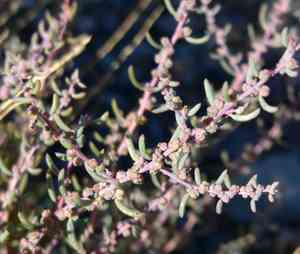
Bush seepweed flourishes in salty ground, making it a hardy plant for difficult conditions.
2
This plant improves ground health and stops soil loss, providing environmental advantages.
3
Bush seepweed draws in helpful bugs, boosting the variety of life in your outdoor space.
What Are the Environmental Advantages of Bush Seepweed?
Tolerance in Saline Environments
Bush seepweed possesses a distinct capacity to flourish in salty soils where most flora struggles. This trait makes it an excellent option for areas with poor soil quality, revitalizing such habitats and fostering a more robust ecosystem. Saline conditions can be particularly harsh, but Bush seepweed adapts and thrives, offering a solution for rejuvenating otherwise unproductive land.
Improvement of Soil Health
A key advantage of Bush seepweed is its capacity to enhance soil conditions. The plant aids in stabilizing the ground, reducing erosion and encouraging the buildup of organic matter. By preserving soil structure and preventing deterioration, Bush seepweed plays a vital role in boosting soil fertility over time. This makes it a valuable plant for conservation projects and sustainable farming initiatives.
How Does Bush Seepweed Support Biological Diversity?
Attraction of Beneficial Insects
Bush seepweed acts as a sanctuary for various helpful insects, including pollinators and predatory species that manage pest populations. By drawing in these insects, Bush seepweed contributes to a balanced ecosystem, promoting biodiversity and improving the health of nearby plant life. The increased presence of beneficial insects can lead to better pollination and natural pest control, lessening the need for chemical interventions.
Support for Local Wildlife
Beyond insects, Bush seepweed provides refuge and food sources for a variety of wildlife, including birds and small mammals. This support for local fauna creates a vibrant and flourishing ecosystem where multiple species can coexist and thrive. By cultivating Bush seepweed, gardeners and conservationists can contribute to the preservation and enhancement of local wildlife habitats, ensuring a healthy, diverse environment.
Can Bush Seepweed Be Utilized in Landscape Design?
Aesthetic Appeal
Bush seepweed adds distinct visual interest to landscapes with its unique foliage and growth habits. It offers an appealing contrast to other plants and can be effectively incorporated into various garden designs. Whether used as a border plant or a focal point, Bush seepweed provides aesthetic value while simultaneously supporting ecological well-being.
Low Maintenance Planting
A hallmark of Bush seepweed is its minimal maintenance requirement. It is drought-tolerant and does not demand frequent watering or fertilization, making it an ideal choice for gardeners aiming to reduce their environmental impact. This low-maintenance nature ensures that even novice gardeners can successfully cultivate and enjoy the benefits of Bush seepweed without extensive time or resource investment.
What Are the Agricultural Applications of Bush Seepweed?
Forage for Livestock
Bush seepweed can serve as a valuable forage plant for livestock, especially in regions with limited resources. Its ability to grow in suboptimal soil conditions means it can provide a consistent supply of fodder during periods of scarcity. This adaptability helps farmers maintain livestock health and productivity, contributing to agricultural sustainability.
Soil Restoration
Agricultural lands suffering from salinization or erosion can greatly benefit from the inclusion of Bush seepweed. By stabilizing soil and preventing further degradation, this plant assists in the reclamation of damaged agricultural lands, restoring them to a productive state. This can be particularly advantageous for long-term agricultural planning and soil conservation efforts.
Is Bush Seepweed Important for Climate Change Mitigation?
Carbon Sequestration
Like many plants, Bush seepweed plays a role in absorbing carbon dioxide from the atmosphere, thereby contributing to efforts to lessen climate change. Its capacity to grow in challenging environments expands its potential to contribute to carbon sequestration in otherwise barren areas. Integrating Bush seepweed into various planting schemes can be a step towards more sustainable land management practices.
Adaptation to Climate Resilience
Bush seepweed's ability to thrive in extreme conditions makes it an excellent candidate for climate resilience initiatives. As weather patterns become more unpredictable, having robust plant species like Bush seepweed can help maintain ecological balance and support ecosystems through changing climates. This adaptability not only benefits the environment but also provides a reliable resource for communities reliant on stable, resilient ecosystems.



