Enhancing Your Garden Design with the Bush seepweed Plant: A Landscaping Guide
1
Bush seepweed tolerates dry conditions well, making it perfect for eco-friendly garden designs.
2
Its distinct look adds a captivating aesthetic to any outdoor space.
3
Bush seepweed contributes to better soil quality and aids native fauna.
Introducing Bush Seepweed to Your Landscape
Understanding Bush Seepweed's Distinctive Qualities
Bush seepweed offers numerous unique characteristics to enhance any outdoor space. Renowned for its toughness and adaptability, it flourishes in diverse soil types, including saline conditions where many other plants struggle. This hardiness makes it an excellent choice for gardeners seeking resilient additions. Furthermore, its foliage changes color throughout the year, providing continuous visual appeal and seasonal interest.
Bush Seepweed's Contribution to Sustainable Landscaping
Integrating Bush seepweed into your garden promotes an eco-friendly approach. This plant efficiently conserves water, making it a low-maintenance option ideal for arid regions. Additionally, Bush seepweed improves soil stability, reducing erosion with its extensive root system. By selecting Bush seepweed, you not only support a more sustainable environment but also aid in protecting local ecosystems and biodiversity.
Aesthetic Advantages of Including Bush Seepweed in Garden Designs
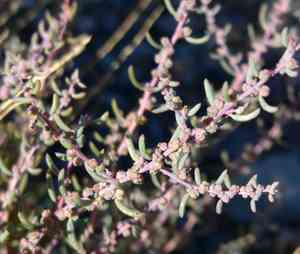
Visually, Bush seepweed stands out with its distinct texture and foliage, which can vary from green to reddish hues depending on the season. Its unique form can break the uniformity of traditional garden plants, creating intriguing contrasts and focal points. When mature, it adds depth and dimension to landscapes, making it a valuable asset for aesthetic enhancement.
Optimal Placement for Bush Seepweed
Selecting the Ideal Spot in Your Garden
Bush seepweed thrives best in well-drained areas of your garden. To maximize its visual and ecological benefits, consider planting it where it receives full to partial sunlight. Avoid waterlogged locations as these can impede its growth. Strategically position Bush seepweed in the background of garden beds or along paths to frame more delicate plants while adding structural interest.
Considering Light Exposure and Soil Conditions
While Bush seepweed is robust, it flourishes under specific conditions. It prefers full sun but can tolerate some shade. Regarding soil, Bush seepweed is quite versatile, performing well in sandy, loamy, or even slightly saline soils. Maintaining optimal soil health by ensuring good drainage will support its vigorous growth. Amend the soil with organic matter to enhance fertility and structure if needed.
Proximity to Other Plants and Structures
When planting Bush seepweed, account for its mature size and spread. Ensure it has ample room to grow without crowding other plants. It's also beneficial to place Bush seepweed near structures like fences or garden walls, where it can accentuate vertical lines and create a backdrop for smaller plants. However, avoid planting it too close to buildings where its roots might interfere with foundations.
Design Concepts Featuring Bush Seepweed
Creating Visual Highlights with Bush Seepweed
Bush seepweed can serve as a central element in your garden, attracting attention with its distinctive appearance. Plant it individually in a prominent spot for a striking effect, or use it in multiple groupings to achieve a rustic, natural aesthetic. Its seasonal color shifts can provide an ever-changing focal point that keeps your garden dynamic and engaging throughout the year.
Pairings with Other Indigenous Flora
Integrate Bush seepweed with other native plants to cultivate a harmonious and sustainable garden. Combine it with wildflowers or grasses to emphasize a naturalistic landscape. Pairing Bush seepweed with plants of varying textures and colors can create a visually captivating and balanced garden design. This approach not only enhances aesthetics but also helps support local wildlife.
Seasonal Considerations for Year-Round Appeal
To ensure continuous appeal, consider Bush seepweed's seasonal transformations and select plants that complement these changes. Its foliage can offer vibrant colors in different seasons; combining it with evergreen shrubs or perennials can provide ongoing visual interest, even during dormant months. Planning for seasonal transitions ensures your garden remains attractive and lively throughout the year.
Bush Seepweed Maintenance in Your Landscape
Fundamental Care and Upkeep Strategies
Bush seepweed is relatively low-maintenance, making it ideal for busy gardeners. Regularly check the plant for pests or diseases, but generally, it requires minimal intervention. Mulching around the base can help retain soil moisture and suppress weeds. Annual soil testing can ensure nutrient levels remain adequate for optimal growth.
Watering and Nutrient Application Techniques
Bush seepweed is drought-tolerant, so it doesn't need frequent watering. However, during extended dry periods, occasional deep watering can help maintain its vitality. It's generally resilient without the need for heavy fertilization, but a light application of a balanced, slow-release fertilizer in early spring can promote vigorous growth and vibrant foliage.
Pruning and Seasonal Tidying Advice
Annual pruning of Bush seepweed helps maintain its form and encourages healthy new growth. The best time to prune is in late winter or early spring before new growth begins. Remove any dead or damaged branches and thin out dense areas to improve air circulation. Seasonal cleanup, such as removing fallen leaves and debris, keeps the plant looking tidy and reduces the risk of disease.



