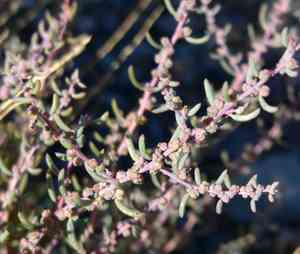
Bush seepweed (Suaeda nigra)
Also known as: Black Sea Blite, Suaeda moquinii
Atriplex canescens, known as four-winged saltbush, is a versatile shrub native to the southwestern United States. This plant thrives in alkaline soils and serves as an indicator of soil salinity. Renowned for its exceptional drought tolerance, four-winged saltbush is an ideal candidate for xeriscaping in arid regions.
In This Article
Attributes of Bush seepweed
Lifespan
Annual, Perennial
Plant Type
Herb, Shrub
Plant Height
21 cm to 1.5 m
Spread
90 cm to 1.2 m
Leaf Color
Green to reddish-green
Flower Size
2.5 cm
Flower Color
Yellow Green
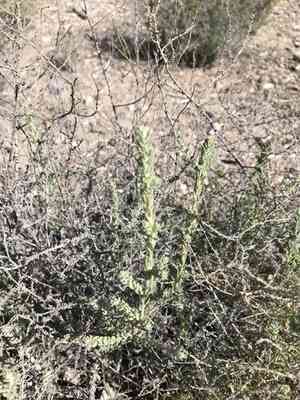
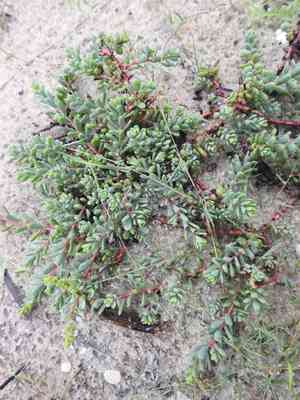
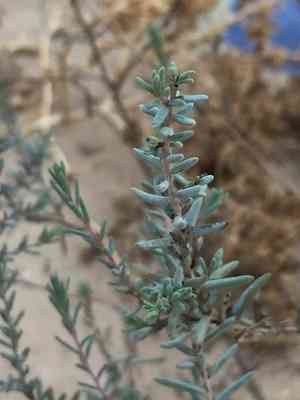
Images of Bush seepweed
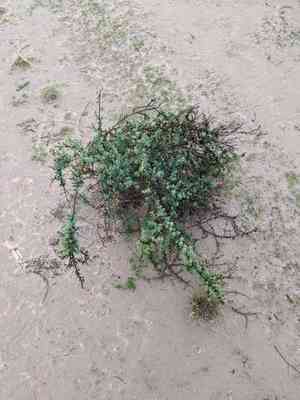
Quickly Identify Bush seepweed
1
Suaeda nigra can be identified by its succulent, fleshy leaves, which are narrow and cylindrical. The plant typically has a bushy appearance with reddish stems.
Scientific Classification of Bush seepweed
Phylum
Vascular plants
Class
Dicotyledons
Order
Caryophyllales
Family
Amaranth
Genus
Seepweeds
Species
Bush seepweed
Planting and Growing of Bush seepweed
Care Difficulty
Moderate
Watering Schedule
Every 2 days
Sunlight Requirements
Full sun
Sunshine Duration
6-10 hours
Ideal Temperature
60-77℉
Soil Type
Potting Mix, Peat Mix
Soil pH
6.5-8.5
Fertilizer Type
Balanced
Pruning Season
Spring, Summer
Pruning Area
Branches, Leaves
Pruning Frequency
2 times a year
Repotting Season
Spring
Pot Type
Plastic, Ceramic
 How to Water Bush seepweed?
Suaeda nigra, commonly known as bush seepweed, thrives in arid environments. When watering, aim for about 250 milliliters to provide adequate moisture without drowning the roots. It's crucial to ensure the soil has good drainage to mimic its natural salty and well-draining habitat.
What are the symptoms of an underwatered Bush seepweed?
›
What should I do if my Bush seepweed is not getting enough water?
›
What are the symptoms of an overwatered Bush seepweed?
›
How to save an overwatered Bush seepweed?
›
 What Are the Sunlight Requirements for Bush seepweed?
Suaeda nigra prospers with 6 to 8 hours of full sunlight daily, emulating its natural desert-like conditions. This ensures optimal photosynthesis, supporting robust growth, and enhancing its natural stress adaptations.
More About Sunlight Requirements Techniques→
How much sunlight does Suaeda nigra need?
›
What type of sunlight is best for flowering?
›
How can I maximize sunlight exposure indoors?
›
 What Is the Ideal Temperature Range for Bush seepweed?
For effective growth and health of Suaeda nigra, maintaining a temperature between 60°F and 77°F is crucial. This range supports optimal metabolic processes and photosynthesis, leading to vigorous plant development and resilience.
 What Soil is Best for Bush seepweed?
Suaeda nigra thrives in well-drained soil that prevents excess water retention. This is crucial to avoid root rot and ensure healthy plant growth. A sandy soil texture is ideal for Suaeda nigra as it facilitates quick drainage, preventing waterlogging while allowing roots to access necessary nutrients easily. Suaeda nigra is highly tolerant to salinity, making it suitable for coastal and saline environments. Its ability to thrive in such conditions highlights its adaptability to harsh soil properties.
 How to Fertilize Bush seepweed?
Suaeda nigra requires moderate fertilization for optimal growth. For liquid fertilizer, the recommended concentration is about 1 teaspoon per gallon of water. For slow-release granular fertilizers, use approximately 2 to 3 pounds per 100 square feet. These quantities balance nutrient provision while avoiding potential nutrient burn or toxicity.
 How to Prune Bush seepweed?
Begin by removing dead, damaged, or diseased stems at their base. Always cut at a slight angle to allow moisture to run off and prevent potential rot. Trim the overgrown stems to shape the plant, ensuring an even, rounded appearance. This stimulates bushier growth and enhances its ornamental value. If Suaeda nigra has grown too large for its space, trim it to maintain a manageable size. Regular maintenance prevents it from overshadowing other plants.
More About Pruning Techniques→
 How to Propagate Bush seepweed plant?
1
Fill seed trays with a well-draining seed starting mix. This provides an ideal environment for seeds to sprout without waterlogging them.
2
Place Suaeda nigra seeds on the surface of the soil and gently press them in without covering with soil, as they need light for germination.
3
Cover the trays with moisture control bags and place them in a warm area. Ensure consistent moisture but avoid waterlogging, crucial for the seeds to germinate.
 How to Repot Bush seepweed plant?
1
Repot Suaeda nigra when you notice that roots are circling the bottom of the pot or protruding from drainage holes. Another signal is reduced growth rate or waterlogging despite proper watering. The ideal time is early Spring or Summer, when the plant is actively growing and can recover quickly.
2
Select a pot slightly larger than the current one, with adequate drainage holes. A pot that is too large can hold excess water, leading to root rot. Terra cotta pots are a great choice as they are breathable and help manage moisture levels effectively.
3
Opt for a sandy, well-draining soil mix, which mimics Suaeda nigra's natural habitat. This type of soil prevents root rot by allowing excess water to escape, and also provides the necessary aeration the roots require for healthy growth.



