How to Prune Bush seepweed?
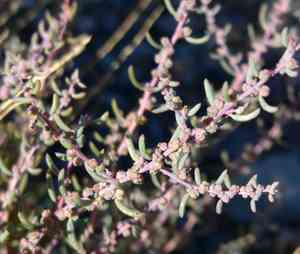
A salt-tolerant plant featuring fleshy, reddish foliage, bush seepweed flourishes in salty ground. Trim to manage its form and dimensions by eliminating deceased or overly dense stalks near the base. The most suitable times are from late spring through autumn, coinciding with vigorous development. Trimming improves air movement, lowers the chance of illness, and stimulates robust new growth. Utilize sanitized, keen implements to lessen trauma and refrain from pruning in damp environments to avert fungal ailments.
What Are the Benefits of Pruning Bush Seepweed?
What Are the Benefits of Pruning Bush Seepweed?
Trimming bush seepweed promotes vigorous development and helps maintain its desired form. Strategic cuts can foster a more robust framework, allowing for improved air circulation and sun exposure, crucial for the plant's health and visual appeal.
What Is the Best Time for Pruning Bush Seepweed?
What Is the Best Time for Pruning Bush Seepweed?
Late spring coincides with post-frost growth when bush seepweed has renewed energy, making it ideal for recovery after trimming. Early summer is suitable due to active growth, enabling bush seepweed to heal quickly and continue its growth cycle effectively. Early fall trimming prepares bush seepweed for dormancy, removing dead or unnecessary growth without hindering budding for the next cycle. These seasons also prevent stressing bush seepweed during extreme summer heat or winter cold, which can negatively impact the plant's overall health and development.
What Tools Do I Need to Prune Bush Seepweed?
Hand Pruners
Perfect for trimming thinner stems and twigs of bush seepweed without harming the plant tissues.
Loppers
Effective for cutting through thicker branches of bush seepweed that hand pruners cannot manage, thanks to their long handles and increased leverage.
Pruning Saws
Best utilized for the thickest and woodiest stems of bush seepweed, where loppers may be insufficient, providing a clean cut without applying excessive pressure.
Gloves
Protects the gardener's hands from potential scrapes or cuts while pruning bush seepweed, ensuring safety during the process.
Pruning Shears
For shaping and maintaining the overall structure of bush seepweed, offering precision and control for detailed work.
How to Prune Bush Seepweed
Clean Tools
Before beginning, ensure all pruning tools are clean and sharp to prevent disease spread and make clean cuts on bush seepweed.
Identify
Thoroughly inspect bush seepweed to locate withered leaves that need removal. Look for leaves that are brown, dry, and show no signs of green or healthy tissue.
Cut Method
Employ a precise cutting method to remove withered leaves. Make cuts at the base of each leaf, close to the stem, using handheld pruning shears. Avoid tearing or damaging healthy parts of bush seepweed.
Disposal
After pruning, gather all removed withered leaves from bush seepweed and dispose of them properly to prevent any potential spread of disease or pests in the garden.
Care Post Pruning
Monitor bush seepweed after pruning for signs of stress or recovery. Ensure it receives adequate water, sunlight, and nutrients to support healthy growth and compensate for the pruned parts.
Common Pruning Mistakes with Bush Seepweed
Over-Pruning
Removing too much foliage at once can stress bush seepweed, leading to reduced growth and vitality. Aim for moderation to maintain plant health.
Using Dull Tools
Pruning with dull or unclean tools can damage the stems of bush seepweed, causing uneven cuts that may lead to disease and poor regrowth.
Cutting At Wrong Angle
Incorrectly angled cuts can result in water accumulation on the cut surface of bush seepweed, which promotes rot and disease.
Neglecting Dead Material
Failing to regularly remove dead or damaged growth from bush seepweed can hinder new growth and mask potential pest or disease issues.
Ignoring Plant Shape
Random or improper cutting without considering bush seepweed's natural shape can lead to an undesirable and unhealthy plant structure.
Common Pruning Tips for Bush Seepweed
Clean Cuts
Use sharp, sanitized pruning shears to make clean cuts on bush seepweed, which will help prevent disease and allow for quicker healing.
Cut Above Bud
When pruning, make cuts just above a leaf bud, ensuring it faces outward to direct new growth away from the center of bush seepweed.
Thin Out Center
Thin out the center of bush seepweed to improve air circulation and light penetration, which helps reduce the likelihood of disease.
Remove Dead Material
Periodically remove dead, diseased, or damaged stems from bush seepweed to encourage healthier growth and a tidier appearance.
Follow Natural Shape
Prune bush seepweed in a way that maintains its natural form, enhancing its aesthetic while promoting robust and proportionate growth.



