How to Propagate Bush seepweed?
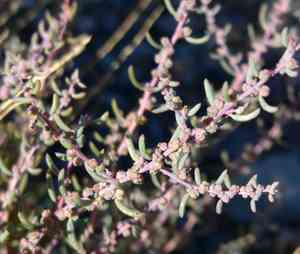
Bush seepweed is a robust woody plant thriving in salty conditions. To achieve successful propagation, employ seeding methods. Gather seeds after they fully ripen and desiccate them to boost their ability to sprout. Plant them directly into sandy, well-draining soil that imitates their native surroundings. Maintain adequate moisture without oversaturating the ground. The best germination rates are observed in warm, yet not overly hot, temperatures, which aids in the healthy development of young plants.
Optimal Period for Bush Seepweed Propagation
Propagation Method
Seeding
Propagation Period
Spring
Tools Required for Bush Seepweed Propagation
Seed trays
Seed trays are perfect for initiating bush seepweed seeds. They enable numerous seeds to be planted in structured compartments, aiding in maintaining necessary spacing and ensuring each seedling has ample room to grow. This setup particularly benefits bush seepweed, which starts small and can be prone to overcrowding.
Soil mix
A well-draining, sandy soil blend is vital for bush seepweed, which flourishes in such conditions. The soil mix should mimic bush seepweed's native environment to support its development. This helps prevent waterlogging, a common issue for bush seepweed in its typical habitats, thereby boosting germination rates and overall seedling health.
Misting bottle
A misting bottle is essential for gently irrigating bush seepweed seeds without displacing them. The fine spray ensures the soil is damp but not excessively wet, creating an ideal setting for seed germination. Additionally, this tool helps maintain humidity around the seeds, which is beneficial for their sprouting and initial growth phases.
Grow lights (optional)
For cultivators starting bush seepweed seeds indoors or in areas with insufficient natural light, grow lights offer the necessary light spectrum that imitates sunlight. This supports photosynthesis and healthy growth during bush seepweed's early development before outdoor transplantation.
How to Propagate Bush Seepweed?
Propagation Type
Simple
Post-Propagation Care for Bush Seepweed
Post-Propagation Care for Bush Seepweed
Once bush seepweed seeds have sprouted and seedlings are established, gradually introduce them to outdoor conditions if they began indoors. Plant them in full sun and use sandy, well-draining soil to prevent water accumulation around the roots. Bush seepweed tolerates saline environments, so occasional salinity can be advantageous. Avoid excessive watering, and only irrigate when the topsoil appears dry.
Common Errors to Avoid During Bush Seepweed Propagation
Overwatering
Supplying too much water can lead to root rot, a condition where roots fail to function correctly, diminishing bush seepweed's ability to absorb nutrients and water, which is crucial for its survival and growth.
Using improper soil mix
Employing a soil mixture that lacks proper drainage can result in waterlogging, negatively impacting bush seepweed's root health and overall development. Bush seepweed prefers well-draining soil, and failing to provide this can impede its growth.
Inadequate light
Placing bush seepweed in an overly shaded area can restrict its growth, as it requires full sunlight to thrive. Insufficient light can cause weak, elongated stems and poor overall health.
Ignoring salinity
Bush seepweed naturally grows in saline conditions. Neglecting to provide a salt-enriched environment can reduce bush seepweed's stress tolerance and vigor, limiting its ability to flourish under typical circumstances.
Advice for Propagating Bush Seepweed
Appropriate watering
Ensure watering is done carefullyâenough to keep the soil moist but not waterlogged. This balance is critical for bush seepweed's root health, promoting adequate growth without risking root diseases.
Proper soil mixture
Utilize a well-draining soil mix with some saline content to replicate bush seepweed's natural habitat. This might involve blending regular potting soil with sand and a pinch of salt to foster a suitable growth environment.
Sufficient light exposure
Provide full sunlight for bush seepweed to ensure it receives ample light for photosynthesis, which is vital for its growth and development. Consider its placement carefully to avoid shaded areas.
Regular salinity checks
Since bush seepweed thrives in saline conditions, periodically adding salt to the soil or using saline water for irrigation can help maintain the necessary environment for it to flourish, enhancing its growth and robustness.



