How to Transplant Winter daffodil?
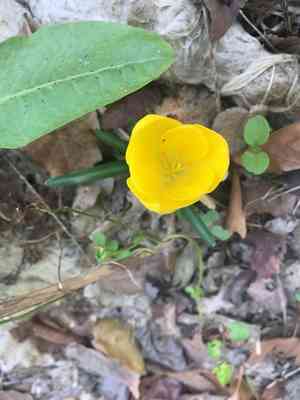
The most suitable period for transplanting winter daffodil is throughout the inactive winter season, since its dormant state minimizes strain on the specimen. Position winter daffodil in a brightly lit location featuring permeable soil to foster vigorous development. Careful manipulation during the transfer ensures a prosperous establishment.
Essential Preparations Before Relocating Winter Daffodil
Optimal Timing for Relocating Winter Daffodil
The perfect window for moving winter daffodil is during its dormant phase in late summer or early autumn. This timing prevents cold stress and allows root establishment in mild soil. Shifting winter daffodil as summer heat subsides provides an excellent opportunity for robust growth come spring. Gardeners should consider this approach to maximize winter daffodil's vigor and display.
Required Spacing Between Winter Daffodil Plants
Allow winter daffodil ample room to expand and thrive. An ideal spacing of approximately 4-6 inches (10-15 cm) between plants ensures each receives sufficient nutrients.
Best Soil Blend for Winter Daffodil Relocation
Winter daffodil flourishes in soil that drains effectively. Incorporate organic compost or a foundational fertilizer into your soil a few days prior to transplanting to supply essential nutrients.
Choosing a New Location for Your Winter Daffodil
Select a site that receives abundant sunlight for your winter daffodil. These sun-loving plants need at least 6 hours of direct sun daily for optimal development.
Tools Required Before Transplanting Winter Daffodil
Gardening Trowel
Used to extract the winter daffodil plant from its original spot and to prepare the new planting hole.
Hand Pruners
For trimming any dead or damaged roots from the plant before relocation.
Watering Can
To hydrate the winter daffodil plant both before and after transplanting, ensuring adequate moisture.
Gardening Gloves
To safeguard your hands while handling soil and plants.
Wheelbarrow
For safely moving the winter daffodil plant from its initial position to the new planting area.
Method for Extracting Winter Daffodil from the Ground
Method for Extracting Winter Daffodil from the Ground
From Ground: First, thoroughly water the winter daffodil plant to soften the earth. Then, using your gardening trowel, dig a circle around the plant, ensuring sufficient distance from the base to avoid root damage. Work the trowel beneath the winter daffodil plant to carefully lift it from its original spot.From Pot: Begin by watering the winter daffodil plant; this will facilitate its easier removal from the pot. Turn the pot on its side and gently coax the plant out, keeping the root ball as intact as possible. Avoid pulling the plant by its stems or leaves; instead, support the root.From Seedling Tray: Verify that the winter daffodil seedling has developed roots extending to the bottom of the cell. Then, gently push the seedling up from underneath, or use a tool like a butter knife to extract it. Ensure you hold the seedling by its root ball, not its stem or leaves.
Step-by-Step Guide for Relocating Winter Daffodil
Preparation
Sanitize your garden tools with warm, soapy water to prevent disease spread. Allow them to air dry.
Hole Preparation
Excavate a hole in the new location with your trowel. It should be deep enough for the winter daffodil plant's roots to spread comfortably, but not so deep that the plant sits lower than its original growth level.
Placement
Position the winter daffodil plant in the hole, ensuring the top of the root ball is flush with the soil surface. Adjust the hole's depth if necessary.
Backfill
Refill the hole with the same soil you removed. Press it down gently but firmly to eliminate any air pockets.
Water
Thoroughly water the winter daffodil plant after transplanting. This aids in settling the soil around the roots and minimizes transplant shock.
Post-Transplant Care for Winter Daffodil
Monitoring
Observe the winter daffodil plant's appearance after relocation. Wilting may occur due to transplant stress, but this should improve as the plant establishes itself.
Mulching
Applying a layer of mulch around the plant (but not touching the stem) can help retain soil moisture, suppress weeds, and regulate soil temperature. However, do not cover the leaves with mulch as it may cause rot.
Pruning
Remove any discolored, brown, or blackened leaves. If the plant becomes excessively tall or wide, prune it back to the desired size in late spring.
Resolving Common Issues with Winter Daffodil Transplantation
When is the optimal time to transplant winter daffodil?
The best period to transplant winter daffodil is during seasons 10 to 12, corresponding to late autumn or early winter, to allow for adequate root development.
What is the correct spacing for planting winter daffodil?
Aim to maintain a distance of 4-6 inches (10-15 cm) between each winter daffodil. This spacing ensures each plant has sufficient room to grow without competing for resources.
The leaves of my transplanted winter daffodil are wilting. What could be the cause?
Ensure that winter daffodil receives adequate water but avoid waterlogging. Improper watering – either too much or too little – can lead to leaf wilt.
Why isn't my winter daffodil blooming after transplanting?
Winter daffodil may require time to establish before flowering. If a significant period has passed, check the soil nutrients and sunlight exposure.
How deep should I plant winter daffodil?
For winter daffodil, bulbs should be planted approximately 3-4 inches (7.5-10 cm) deep. This allows for proper root development without risking bulb exposure.
My transplanted winter daffodil is not growing, what can I do?
Winter daffodil might not be receiving necessary nutrients. Use a balanced fertilizer to enrich the soil. Also, assess if the plant gets effective sun exposure.
How often should I water the recently transplanted winter daffodil?
During the initial phase after transplanting winter daffodil, keep the soil consistently moist but prevent overwatering. Adjust the watering schedule as the plant establishes.
Do I need to amend the soil before planting winter daffodil?
Yes, incorporating good compost or well-rotted manure can enrich the soil, providing winter daffodil with the essential nutrients for healthy growth.
Should I remove the dead blooms from winter daffodil?
Deadheading, or removing spent flowers, is not necessary for winter daffodil. They naturally fade and do not deplete the plant's energy.
How can I protect my fresh transplants in colder temperatures?
To safeguard winter daffodil in colder temperatures, consider covering them with horticultural fleece or moving them to a more sheltered location.



