The Winter daffodil Plant Advantage: Maximizing Home and Office Appeal and Wellness
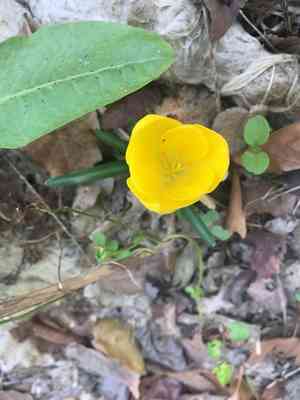
1
This botanical specimen flourishes in soil that drains effectively and in areas with ample sunlight.
2
Ideal for introducing a vibrant hue to fall and winter landscapes.
3
Requires minimal upkeep and is simple to cultivate, making it appropriate for novice gardeners.
What Are the Main Advantages of Winter daffodil?
Enriches Your Winter Garden with Vivid Hues
A key attractive feature of Winter daffodil is its capacity to introduce color to an otherwise drab winter landscape. Its bright yellow blooms can illuminate your garden, offering a much-needed burst of vibrancy when most other plants are dormant.
Supports Pollinating Insects
While many flowering plants are inactive during colder months, Winter daffodil draws in late-season pollinators. This can be highly advantageous for sustaining your garden's ecological balance, as it provides a vital food source for insects like bees, which remain active later in the season.
How to Successfully Cultivate Winter daffodil?
Choosing the Optimal Site
For best development, plant Winter daffodil in a sunny spot with soil that drains well. It's essential to avoid areas where water tends to accumulate, as excessive moisture can lead to bulb rot. Consider locations that receive full sun to partial shade for superior outcomes.
Correct Planting Methods
Plant Winter daffodil bulbs in the autumn, approximately 6 inches apart and 2-3 inches deep. Ensure the pointed end of the bulb faces upwards. After planting, water the area thoroughly to settle the soil, but be careful not to overwater.
What Are the Care Requirements for Winter daffodil?
Watering and Fertilizing
Once established, Winter daffodil is quite tolerant of dry conditions and doesn't need frequent watering. However, during extended dry periods, an occasional deep watering can be beneficial. They don't require extensive feeding; a light application of balanced fertilizer in the spring should suffice.
Pest and Disease Control
A significant advantage of Winter daffodil is its resilience to most pests and diseases. Nevertheless, it's always wise to watch for signs of issues like leaf spots or unexpected wilting. Regular garden tidying can help prevent common garden pests.
How to Propagate Winter daffodil?
Via Bulbs
Winter daffodil can be easily multiplied by dividing its bulbs. Dig up the bulbs after the foliage has withered, separate the offsets from the parent bulb, and replant them in a suitable spot. This not only helps increase your plants but also revitalizes older bulbs.
Via Seeds
Though less common, Winter daffodil can also be grown from seeds. Sow the seeds in a cold frame during autumn. Keep the soil consistently moist but not waterlogged, and you should observe germination in the spring. Transplant the seedlings to their permanent location once they are large enough to handle.
Can Winter daffodil Be Grown in Pots?
Selecting the Appropriate Container
Yes, Winter daffodil can flourish in containers if you select the correct pot. Choose a pot at least 8 inches deep with adequate drainage holes. Be sure to use a well-draining potting mix to prevent waterlogging.
Care for Potted Winter daffodil
Container-grown Winter daffodil will require more frequent watering compared to those planted in the ground. Position the pot in a sunny spot and ensure it remains frost-free during extremely cold periods. Fertilize sparingly to avoid excessive nutrient accumulation in the confined space of the pot.



