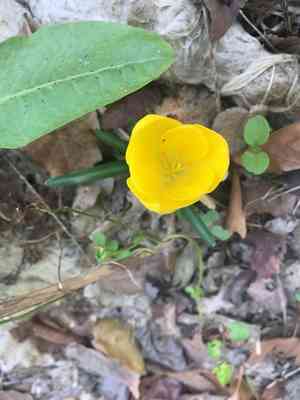
Winter daffodil (Sternbergia lutea)
Also known as: Common sternbergia, Yellow autumn crocus
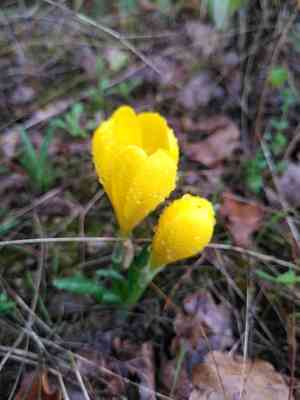
The plant you're referring to is the Winter Daffodil, or Sternbergia lutea. This perennial grows from a bulb and is known for its resilience against drought, deer, and rabbits. It features large, waxy golden flowers that bloom in fall, with goblet-shaped blossoms. It thrives in full sun and requires fertile, well-drained soil.
In This Article
Attributes of Winter daffodil
Lifespan
Perennial
Plant Type
Herb
Plant Height
15 cm
Spread
8 cm
Leaf Color
Green
Flower Size
2.5 cm to 5 cm
Flower Color
Yellow
Images of Winter daffodil
Quickly Identify Winter daffodil
1
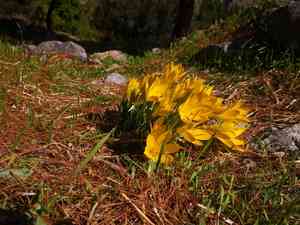
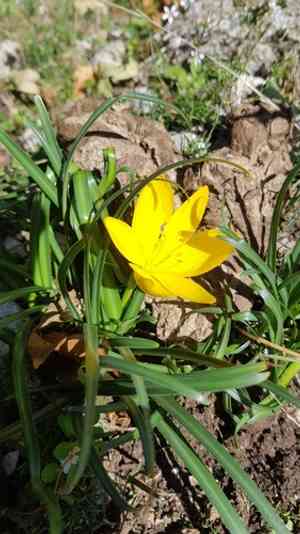
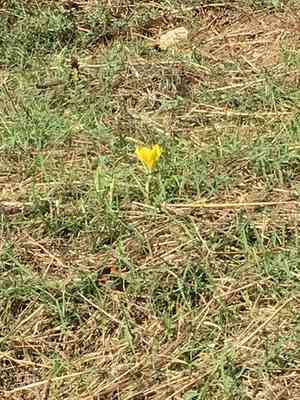
Sternbergia lutea can be identified by its bright yellow flowers that resemble crocuses, its strap-like, dark green leaves that appear in autumn and persist through winter, and its preference for well-drained, sunny locations.
Scientific Classification of Winter daffodil
Phylum
Vascular plants
Class
Monocotyledons
Order
Asparagales
Family
Amaryllis
Genus
Winter daffodils
Species
Winter daffodil
Planting and Growing of Winter daffodil
Care Difficulty
Easy
Watering Schedule
Every 2 days
Sunlight Requirements
Full sun
Sunshine Duration
6-12 hours
Ideal Temperature
60-70℉
Soil Type
Potting Mix, Peat Mix
Soil pH
6.5-7.5
Fertilizer Type
Balanced
Pruning Season
Spring, Summer
Pruning Area
Branches, Leaves
Pruning Frequency
2 times a year
Repotting Season
Spring
Pot Type
Plastic, Ceramic
 How to Water Winter daffodil?
The Sternbergia lutea, a resilient bulbous plant, thrives on moderate watering. Aim to give about 250 milliliters per session. The goal is to moisten the soil thoroughly but ensure it dries between sessions.
What are the symptoms of an underwatered Winter daffodil?
›
What should I do if my Winter daffodil is not getting enough water?
›
What are the symptoms of an overwatered Winter daffodil?
›
How to save an overwatered Winter daffodil?
›
 What Are the Sunlight Requirements for Winter daffodil?
Sternbergia lutea thrives best with half-day to full sun exposure. Proper lighting aids in producing vibrant blooms and ensures healthy, lush foliage.
More About Sunlight Requirements Techniques→
What is the best light for Sternbergia lutea?
›
How can Sternbergia lutea receive optimal sunlight?
›
What benefits will Sternbergia lutea gain from ideal lighting?
›
 What Is the Ideal Temperature Range for Winter daffodil?
The ideal temperature range for cultivating Sternbergia lutea lies between 60°F to 70°F. This range provides optimal conditions for its growth, ensuring that the plant can undergo photosynthesis efficiently and maintain a healthy metabolic rate. When kept within this temperature range, Sternbergia lutea is likely to exhibit robust growth, vibrant flowers, and an overall thriving condition.
 What Soil is Best for Winter daffodil?
Sternbergia lutea thrives in well-drained soil. Poor drainage can lead to root rot, which is detrimental to its growth. Well-drained soil ensures that water doesn't accumulate, allowing roots to breathe and absorb nutrients efficiently. This plant prospers in nutrient-rich soil that can provide all the necessary components for growth. Organic matter helps improve soil structure and fertility, ensuring the plant receives adequate nutrients for vibrant blooms. While the soil should drain well, it should also retain enough moisture to sustain the plant. A balance between drainage and moisture retention helps prevent stress, ensuring the plant remains lush and healthy.
 How to Fertilize Winter daffodil?
For Sternbergia lutea, the fertilizer amount should be moderate. During the growing season, apply a balanced liquid fertilizer at half-strength to avoid over-fertilization. A teaspoon of liquid fertilizer diluted in a gallon of water usually works well.
 How to Prune Winter daffodil?
Start by inspecting the plant and removing any dead or yellowing foliage. This cleanup not only improves the plant's appearance but also reduces the likelihood of any disease. Cut back unwanted leaves at the base where they meet the bulb. If the plant looks unruly, lightly shape it by removing overgrown or uneven areas. This helps in maintaining a pleasing appearance and prevents the plant from becoming too leggy. After pruning, make sure the plant returns to its site with optimal growing conditions. Ensure it gets enough sun and protected from extreme conditions. Water appropriately, allowing the soil to dry slightly between waterings for optimal health.
More About Pruning Techniques→
 How to Propagate Winter daffodil plant?
1
Carefully dig up the Sternbergia lutea bulbs from their current location once the foliage has died back. Avoid damaging the bulbs during this process.
2
Separate the bulbs by gently pulling them apart at the natural division points. Each segment should have a healthy portion of the bulb to ensure successful propagation.
3
Replant the divided bulbs in a suitable location with well-draining soil, placing them at a similar depth and spacing as in their original setting.
 How to Repot Winter daffodil plant?
1
Repot Sternbergia lutea when the bulbs outgrow the pot or show signs of overcrowding. This typically coincides with spring and autumn when the plant is relatively dormant. If you notice stunted growth or reduced flowering, it's time to consider repotting to refresh the soil and provide more space.
2
Select a pot with ample drainage as Sternbergia lutea thrives in well-draining conditions. The pot should be slightly larger than the last to accommodate new bulb growth. Opting for terracotta can prevent waterlogging and ensure aeration, which promotes healthy root development.
3
Choose a well-draining sandy loam soil, enriched with organic matter. This soil mix mimics the plant’s native Mediterranean habitat, ensuring adequate drainage and preventing root rot. Organic components will gradually supply nutrients, supporting the plant during the growing season.
Toxicity
Ingestion
WARNING
The judgment on toxicity and danger is for reference only. We DO NOT GUARANTEE any accuracy of such judgment. Therefore, you SHALL NOT rely on such judgment. It is IMPORTANT TO SEEK PROFESSIONAL ADVICE in advance when necessary.
Learn More About Winter daffodil Diseases
Anthracnose
Bacterial Leaf Spot
Bacterial Soft Rot
Crown Gall
Cyst Nematode
Damping-off
Downy Mildew
Drought Stress
Fusarium Wilt
Gray Mold
Leaf Curl
Leaf Spot
Mosaic
Nutrient Deficiency
Nutrient Toxicity
Powdery Mildew
Root Rot
Root-knot Nematode
Rusts
Sooty Mold
Spider Mites
Temperature Stress
Thrips Damage
White Mold



