How Much Sunlight Do Winter daffodil Need?
1
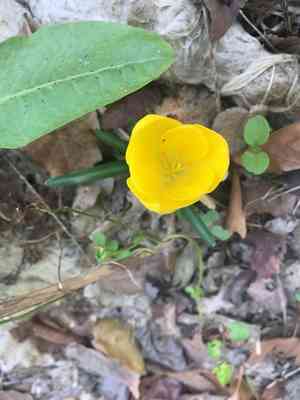
Winter daffodil flourishes optimally in bright sunshine, requiring over six hours of direct solar exposure each day.
2
When employing artificial illumination, confirm it offers a light spectrum akin to natural daylight to enhance your Winter daffodil's development.
3
Insufficient light can lead to your Winter daffodil becoming elongated and frail, negatively affecting its general well-being and flowering potential.
Ideal Illumination for Winter Daffodil
Grasping Light Needs
The Winter daffodil thrives with abundant sunshine. Hailing from sun-drenched regions, this plant is accustomed to full sun, meaning at least 6 hours of direct sunlight daily. Aim for this exposure level to ensure efficient photosynthesis, promoting robust growth and vibrant blooms. These daffodils achieve their best coloration and health when bathed in light.
Optimal Planting Spots
Choosing the best garden or home spot for your Winter daffodil is vital. Outdoors, select a location with continuous sunlight, like an open area free from shade-casting trees or structures. For indoor plants, place your Winter daffodil near south-facing windows to maximize daily light absorption. Sheer curtains can diffuse overly harsh midday sun while still providing necessary exposure.
Measuring Light for Winter Daffodil
Employing Light Meters
Light meters are effective tools to ensure your Winter daffodil gets enough sunlight. These devices gauge light intensity at a specific spot, helping determine if the plant's location is suitable. Aim for readings indicating full-sun conditions, typically above 10,000 lux (around 929 foot-candles). A light meter eliminates guesswork, offering precise feedback on whether your plant's spot needs adjustment.
Evaluating Natural Light
If you lack a light meter, you can still assess light conditions with a simple hand shadow test. Position your hand between the light source and the plant; a strong, well-defined shadow suggests your Winter daffodil receives the intense sunlight it requires. Conversely, faint or weak shadows indicate insufficient light, implying a need for a brighter location for your plant.
Indicators of Improper Light Exposure
Signs of Excessive Light
While Winter daffodil loves sun, too much light or particularly intense midday sun can be harmful. Symptoms of overexposure include scorched leaves, appearing burnt or bleached, and dry soil. These signs suggest the plant is absorbing more sunlight than it can handle, requiring some shade during peak sun hours or protective measures like screens or shade cloths.
Signs of Insufficient Light
Inadequate sunlight is equally detrimental for a Winter daffodil. Common symptoms include stretched or leggy growth, pale or yellowing foliage, and reduced flowering. These signs indicate the plant is seeking more light, compromising its structure and beauty. If you observe these symptoms, relocate your Winter daffodil to a sunnier spot.
Practical Advice for Light Management
Adjusting Plant Placement
To ensure your Winter daffodil receives appropriate sunlight, regularly evaluate its growing conditions. For indoor plants, rotate them weekly to allow even light absorption on all sides. For outdoor plants, monitor seasonal sunlight patterns and adjust the plant's position or introduce shade if certain areas experience more intense summer sun.
Utilizing Artificial Light Sources
In areas with less natural light or during winter, supplemental artificial lighting can greatly benefit your Winter daffodil. Full-spectrum grow lights are especially helpful, mimicking natural sunlight and meeting the plant's light requirements. Position these lights about 30-60 centimeters (12-24 inches) above the plant and operate them for at least 8-10 hours daily to simulate an ideal day length and encourage healthy development.



