How to Transplant Chinese artichoke?
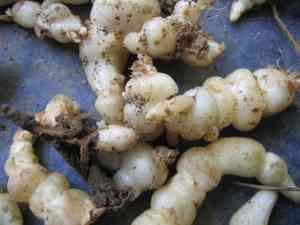
For Stachys affinis, the ideal period for transplanting them into your garden is from the warmth of late spring through the beginning of peak summer. Select a location that receives abundant sunshine and possesses soil with good drainage to encourage vigorous development. Bear in mind, careful manipulation guarantees their fragile root systems establish without stress.
What Preparations are Needed Before Transplanting Chinese Artichoke?
What is the Ideal Time for Transplanting Chinese Artichoke?
The optimal period to move your chinese artichoke is during the revitalizing phase of late spring or the beginning of early summer. This timeframe offers an excellent combination of warmer soil and mild weather, fostering robust root development while avoiding the stress of intense midsummer heat. Relocating chinese artichoke in this season leverages the plant's natural growth cycle, promoting stronger establishment and improved yields. By selecting this window, you provide your chinese artichoke the best start in its new location, setting the stage for a successful transition and vigorous growth.
How Much Space Should You Leave Between Chinese Artichoke Plants?
When arranging your chinese artichokeâs new spot, allow a comfortable distance of approximately 6-12 inches (15-30 cm) between each plant. This will provide ample room for them to expand and thrive, preventing overcrowding as they mature!
What is the Best Soil Mix for Chinese Artichoke Transplanting?
For chinese artichoke, consider soil as a comfortable resting place: it should drain well and be rich in organic matter. A light application of a balanced, slow-release fertilizer will give them a good start. Just like tucking them in!
Where Should You Relocate Your Chinese Artichoke?
Choose a location for your chinese artichoke that receives full sun to partial shade, as they appreciate a blend of direct sunlight and dappled light. This ensures they receive the perfect amount of sun exposure to flourish beautifully.
What Equipments Should You Prepare Before Transplantation Chinese Artichoke?
Gardening Gloves
To safeguard your hands while handling soil and chinese artichoke.
Shovel or Garden Spade
For digging and relocating chinese artichoke.
Watering Can or Garden Hose
To hydrate chinese artichoke before and after moving.
Wheelbarrow or Garden Cart
To transport chinese artichoke and soil if needed.
Garden Trowel
For excavating smaller holes or refining the planting site.
Pruning Shears
To trim any damaged roots or foliage.
Mulch
To aid in retaining soil moisture and suppressing weeds around chinese artichoke.
Stakes or Plant Supports
If chinese artichoke is tall and requires assistance to establish.
Measuring Tape
To correctly space chinese artichoke from other plants.
How Do You Remove Chinese Artichoke from the Soil?
How Do You Remove Chinese Artichoke from the Soil?
From Ground: First, hydrate the chinese artichoke plant to moisten the soil. Next, excavate a wide trench around the plant using a shovel or spade, ensuring the plant's root ball remains intact. Carefully maneuver the spade beneath the root ball to lift the plant from its original spot.From Pot: Begin by watering chinese artichoke to make the soil damp. Gently tilt the pot on its side, and tap the base to loosen the plant. Support chinese artichoke by its base, and slowly extract the plant with its root ball.From Seedling Tray: Dampen the soil in the seedling tray. Use a garden trowel or your fingers to carefully lift each chinese artichoke seedling by the leaves, not the delicate stem, to prevent harm, and gently separate the root ball along with the surrounding soil.
Step-by-Step Guide for Transplanting Chinese Artichoke
Choose the Right Time
Aim to transplant chinese artichoke during cooler parts of the day or on an overcast day to minimize stress on the plant.
Prepare the New Location
Dig a hole that is twice as wide and the same depth as the chinese artichoke's root ball to allow ample space for the roots.
Amend the Soil
If necessary, incorporate compost into the bottom of the hole to introduce beneficial nutrients.
Remove chinese artichoke Carefully
Following the described removal process, carefully extract chinese artichoke from its current location without harming the root ball.
Position chinese artichoke in the New Hole
Place chinese artichoke in the center of the new hole. The plant's base should be level with the surrounding soil surface.
Backing Fill
Gently backfill the hole with soil, patting down around the root ball to eliminate air pockets.
Provide Support
If chinese artichoke is tall or unstable, insert stakes or plant supports now to help chinese artichoke remain upright.
Water Thoroughly
After planting, water chinese artichoke generously to settle the soil and provide moisture for the roots.
Mulch Around the Plant
Apply a layer of mulch around chinese artichoke to conserve moisture and reduce weeds, keeping mulch a few inches away from the stem.
How Do You Care For Chinese Artichoke After Transplanting?
Regular Watering
Ensure chinese artichoke receives sufficient water, especially during the initial weeks of establishment. Deep, less frequent watering is preferable to shallow, frequent applications.
Mulching
Maintain the mulch layer to retain soil moisture and regulate soil temperature. Avoid mulch directly touching the plant stems.
Monitoring
Closely observe chinese artichoke for indications of transplant shock, such as wilting or discolored leaves, and address them promptly.
Staking
Periodically check stakes or supports and adjust them as chinese artichoke grows to ensure adequate support.
Pruning
Remove any unhealthy-looking foliage to encourage new growth, using pruning shears. Always proceed with care to avoid unnecessary stress on chinese artichoke.
Troubleshooting Common Issues with Chinese Artichoke Transplantation.
Why is my chinese artichoke not thriving after transplanting?
Ensure you're transplanting during the optimal time, typically in the mild days from late spring to early summer, and that they are spaced about 6-12 inches (15-30 cm) apart to flourish.
How deep should I plant chinese artichoke tubers?
Plant the tubers approximately 2-3 inches (5-8 cm) deep to provide stability without burying them too deeply, which could hinder growth.
Can I transplant chinese artichoke in full sunshine?
Chinese artichoke prefers partial shade, so locate a spot that mimics these conditions for optimal growth post-transplant.
What soil type is best for transplanting chinese artichoke?
Chinese artichoke thrives in well-drained, fertile soil. Incorporate compost to enrich and improve soil structure before transplanting.
How often should I water chinese artichoke after transplanting?
Keep the soil consistently moist but not waterlogged. Watering once every few days should be sufficient, depending on weather conditions.
What signs of transplant shock should I look out for in chinese artichoke?
Wilting, yellowing leaves, or a halt in growth can all indicate transplant shock. Maintain proper care and they should recover.
Should I fertilize chinese artichoke after transplanting?
Fertilizing isn't necessary immediately after transplanting. Allow chinese artichoke to settle for a few weeks before introducing a balanced fertilizer.
How do I handle root bound chinese artichoke tubers during transplanting?
Gently separate the roots to encourage spreading. If severely bound, make vertical cuts to stimulate new growth.
Can I transplant chinese artichoke if the tubers have started sprouting?
Yes, it's acceptable to transplant sprouting tubers. Ensure the green shoots are facing upwards when planting.
How to protect newly transplanted chinese artichoke from pests?
Keep the area free from debris and use organic mulch to deter pests. Monitor regularly for early signs of infestation.



