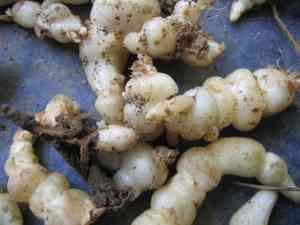
Chinese artichoke (Stachys affinis)
Also known as: Japanese artichoke, Knotroot
The Chinese artichoke, a deciduous perennial herb, is favored for borders and cottage gardens thanks to its appealing foliage and summer-blooming flowers, which attract pollinators. This cold-hardy plant is known for its vigorous growth and spreading nature, making it an excellent ground cover. However, it can become invasive if not properly managed.
In This Article
Attributes of Chinese artichoke
Lifespan
Perennial
Plant Type
Herb
Plant Height
50 cm
Spread
1 m
Leaf Color
Green
Flower Size
5 cm to 15 cm
Flower Color
Pink Purple
Images of Chinese artichoke
Quickly Identify Chinese artichoke
1
Stachys affinis can be identified by its small white or pale pink flowers, and the presence of tuberous roots that resemble small, twisted potatoes. The stems are square-shaped, a common feature in mint family plants, and the leaves are opposite and toothed.
Scientific Classification of Chinese artichoke
Phylum
Vascular plants
Class
Dicotyledons
Order
Mints plantains olives and allies
Family
Mint
Genus
Hedgenettle
Species
Chinese artichoke
Planting and Growing of Chinese artichoke
Care Difficulty
Easy
Watering Schedule
Every 8 days
Sunlight Requirements
Partial sun
Sunshine Duration
4-8 hours
Ideal Temperature
68-77℉
Soil Type
Potting Mix, Peat Mix
Soil pH
6.5-7.5
Fertilizer Type
Balanced
Pruning Season
Spring, Summer
Pruning Area
Branches, Leaves
Pruning Frequency
2 times a year
Repotting Season
Spring
Pot Type
Plastic, Ceramic
 How to Water Chinese artichoke?
Stachys affinis enjoys moist soil, so watering should aim to keep the soil consistently damp but not waterlogged. Water until the top inch of soil feels adequately moist to ensure the plant's roots have access to the hydration they need.
What are the symptoms of an underwatered Chinese artichoke?
›
What should I do if my Chinese artichoke is not getting enough water?
›
What are the symptoms of an overwatered Chinese artichoke?
›
How to save an overwatered Chinese artichoke?
›
 What Are the Sunlight Requirements for Chinese artichoke?
Stachys affinis flourishes under partial sun conditions, receiving 4 to 6 hours of sunlight daily. This light range supports optimal photosynthesis, ensuring healthy foliage and tuber development while preventing light stress.
More About Sunlight Requirements Techniques→
How much sunlight does Stachys affinis need?
›
Where is the best placement for Stachys affinis?
›
How to adjust light for seasonal changes?
›
 What Is the Ideal Temperature Range for Chinese artichoke?
Stachys affinis thrives best in moderate climates, where temperatures ideally range between 68°F to 77°F. This temperature range ensures optimal growth and tuber development, providing the plant with the right conditions for photosynthesis and nutrient absorption.
 What Soil is Best for Chinese artichoke?
Stachys affinis thrives in well-drained soil, which prevents the roots from sitting in water, thereby reducing the risk of rot and fungal diseases. Ensuring proper drainage can substantially improve the plant's growth by allowing for better root aeration and nutrient uptake. This plant prefers soil rich in organic matter, providing necessary nutrients for it to flourish. A nutrient-rich environment supports healthy tuber development, which is essential since the edible crosnes, its key feature, form under the soil. A soil pH of 6.5 to 7.5 is ideal for Stachys affinis, as it allows for optimal nutrient availability and absorption. Maintaining a neutral to slightly acidic soil helps improve overall plant health and vigor.
 How to Fertilize Chinese artichoke?
For Stachys affinis, moderate fertilization is key. Use about half the recommended dosage of a balanced liquid fertilizer every two weeks during the growing season. Solid fertilizers should be applied sparingly, approximately a tablespoon per small plant, three times a year.
 How to Prune Chinese artichoke?
While pruning is beneficial, it's crucial not to overdo it. Removing too much foliage at once can stress the plant and reduce its resilience to pests and diseases. It's best to prune little and often rather than taking off too much at any one time.
More About Pruning Techniques→
 How to Propagate Chinese artichoke plant?
1
Begin by watering the Stachys affinis to soften the soil, making it easier to separate the tubers. This also helps to reduce stress on the plant during the division process. Ensure the plant is healthy and free from visible pests or diseases.
2
Use a garden spade to carefully dig around the plant, loosening the soil. Gently lift the clump out, taking care not to damage the tubers. Identify natural separations and carefully divide the clump into smaller sections with at least a couple of budding eyes on each.
3
Plant each division in a prepared area with well-draining soil. Space them adequately to allow for growth, and water them to help establish the plants. Mulching can be applied to retain moisture and protect new shoots.
 How to Repot Chinese artichoke plant?
1
Stachys affinis usually requires repotting when its roots outgrow the current pot, evidenced by roots showing through the drainage holes. Additionally, stagnant growth may indicate a need for repotting. It's best to repot during seasons of active growth, like spring or early autumn, to promote healthy root development.
2
Select a pot that's one size larger than the current one, with sufficient drainage holes to prevent waterlogging. The material can be clay or plastic, depending on your watering habits, but clay is preferable for drier conditions as it allows excess moisture to evaporate.
3
Choose a well-draining potting mix, preferably loamy with added perlite or sand to enhance aeration. This soil will provide essential support for the tuber roots, ensuring they stay healthy and robust, while preventing rot from excessive moisture retention.
Learn More About Chinese artichoke Diseases
Anthracnose
Bacterial Leaf Spot
Bacterial Soft Rot
Chemical Injury
Damping-off
Downy Mildew
Drought Stress
Fusarium Wilt
Gray Mold
Leaf Spot
Mosaic
Nutrient Deficiency
Nutrient Toxicity
Powdery Mildew
Root Rot
Root-knot Nematode
Rusts
Sooty Mold
Spider Mites
Temperature Stress
Thrips Damage
White Mold



