How to Overwinter Chinese artichoke
1
The Chinese artichoke is resilient and withstands cold season temperatures.
2
Adequate soil conditioning and covering are crucial for shielding your Chinese artichoke from freezing.
3
Chinese artichoke plants in containers need a brightly lit indoor area to flourish through the winter.
Understanding the Winter Hardiness of Chinese artichoke
Understanding the Winter Hardiness of Chinese artichoke
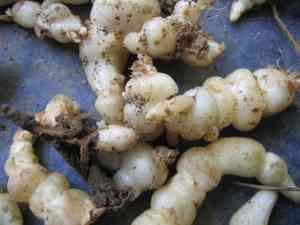
The Chinese artichoke, recognized for its distinctive, lumpy tubers, possesses considerable resilience and can endure cold season temperatures. Originating from East Asia, this perennial flourishes in USDA hardiness zones 4-8, enabling it to survive colder climates. Nevertheless, like all flora, the Chinese artichoke requires some care to guarantee its well-being throughout the winter.
Preparing Chinese artichoke for Winter
Soil Preparation
Appropriate soil preparation is vital for helping your Chinese artichoke endure the winter. Ensure the soil drains effectively to prevent waterlogging, which can lead to tuber decay. Before the initial frost, enrich the soil with organic matter like compost or well-rotted manure. This improves soil fertility and structure, supplying essential nutrients to the plant during its dormant phase.
Watering Guidelines
As winter approaches, decrease watering frequency to assist the Chinese artichoke in entering dormancy. Excessive watering in cold conditions can cause root rot. Instead, ensure the soil stays slightly moist but not saturated. Typically, watering every two weeks is adequate, depending on your local climate.
Pruning Practices
Pruning is a crucial task before winter arrives. Trim away any dead or diseased foliage to stop the spread of illnesses and pests. Additionally, cutting the plant back to just above ground level after the first frost can help conserve energy, promoting more robust growth when spring comes.
Protecting Chinese artichoke During Frost
Mulching Tips
Mulching is an effective method to safeguard your Chinese artichoke from freezing temperatures. Apply a thick layer of organic mulch, such as straw or wood chips, around the plant's base, approximately 5-7.5 cm (2-3 inches) deep. This mulch acts as an insulator, maintaining soil temperature and moisture while protecting the tubers from severe frosts.
Coverings and Row Covers
For additional protection, utilize coverings or row covers, especially in regions prone to harsh winters. Row covers made from breathable materials can help retain heat and shield plants from frost. Ensure covers are securely fastened to prevent them from being dislodged by winter winds.
Indoor Care for Potted Chinese artichoke
Ideal Indoor Conditions
If you're cultivating Chinese artichoke in containers, it's advisable to bring them indoors during the winter. Position the pots in a brightly lit area, such as a south-facing window, to ensure they receive sufficient light. Maintain indoor temperatures between 15-18°C (59-64°F) to mimic their natural habitat.
Pest and Disease Management
Indoor plants can still be vulnerable to pests and diseases. Regularly inspect your Chinese artichoke for any signs of trouble, such as discolored leaves or unusual spots. Use insecticidal soap or neem oil to treat any infestations promptly. Maintaining proper humidity levels, around 40-50%, can also help deter pests.
Monitoring and Maintenance Throughout Winter
Regular Checks
Consistent observation is essential during the winter months. Check your Chinese artichoke plants regularly for any indications of stress, such as wilting or yellowing leaves. Prompt intervention can prevent minor issues from escalating into major problems.
Addressing Issues Promptly
If you observe any problems, address them immediately. For instance, if you detect signs of rot, remove the affected parts to prevent its spread. Adjust watering and humidity levels as needed to ensure the plant's health. Taking these measures can help ensure your Chinese artichoke remains healthy and ready to flourish come spring.



