How to Prune Chinese artichoke?
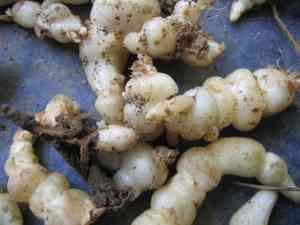
Distinguished by its fleshy underground stems and culinary uses, Stachys affinis needs very little trimming. Cut back the leaves once the plant naturally declines in late autumn to neaten the area and deter illness. Throughout the active growth phase, only snip off impaired or infected stalks. The most favorable times for pruning are during spring and summer, which fosters robust development and the formation of tubers. Thoughtful trimming can enhance air circulation and light exposure, aiding tuber growth and the plant's general robustness.
Advantages of Trimming Chinese Artichoke
Advantages of Trimming Chinese Artichoke
Trimming chinese artichoke promotes blooming, revitalizes growth, and maintains its desired shape. Strategic cuts enhance light penetration and air movement, essential for vibrant flowers and robust health.
Optimal Time for Trimming Chinese Artichoke
Optimal Time for Trimming Chinese Artichoke
In Spring, chinese artichoke begins its growth cycle, making it perfect for pruning to stimulate new growth and help shape the plant. Early Summer is suitable as chinese artichoke can recover quickly, ensuring vigorous growth before the flowering period. Fall is another good time since it allows for the removal of spent or dead foliage post-harvest, helping to reduce disease risk and prepare chinese artichoke for dormancy in winter.
Necessary Tools for Pruning Chinese Artichoke
Bypass Pruners
Due to their precise and clean cuts, bypass pruners are ideal for trimming the above-ground parts of chinese artichoke. These will help to maintain plant shape and remove any dead or diseased foliage efficiently without damaging the plant.
Garden Scissors
For thinner stems and precise trimming of chinese artichoke, garden scissors offer control and are less likely to cause damage to the delicate stems and foliage.
Hand Weeding Tools
Chinese artichoke may require thinning or removal of crowded tubers. Hand weeding tools can assist in gently lifting and removing tubers without causing excessive disturbance to the surrounding soil.
How to Prune Chinese Artichoke
Clean tools
Before starting the pruning process, ensure that all cutting tools are cleaned and sterilized to prevent spread of disease during trimming of chinese artichoke.
Identify parts
Inspect chinese artichoke carefully to identify any diseased leaves, withered leaves, and withered flowers that may be present on the plant.
Prune diseased leaves
Using sharp pruning shears, cut off the diseased leaves from chinese artichoke at their base, being careful not to damage the healthy parts of the plant.
Remove withered leaves
Remove any withered leaves by cutting them at the base where they meet the stem or main body of chinese artichoke, using the same sterile pruning shears.
Trim withered flowers
Prune withered flowers from chinese artichoke by cutting them at their base or at the first strong set of leaves below the flower to promote healthy growth and potentially encourage new blooms.
Common Pruning Errors with Chinese Artichoke
Overpruning
Removing too much foliage from chinese artichoke, which can stress the plant and lead to poor growth or even plant death.
Improper cut location
Making cuts too far from the nodes, which can result in stubs that do not heal properly and may invite disease.
Using dull tools
Utilizing dull pruning tools that make imprecise cuts, leading to unnecessary damage to chinese artichoke's stems.
Ignoring dead material
Failing to remove dead or diseased material, which can hinder chinese artichoke's growth and allow disease to spread.
Neglecting tool hygiene
Not sterilizing pruning tools before use, increasing the risk of transferring pathogens to chinese artichoke.
General Pruning Advice for Chinese Artichoke
Clean cuts
Make all cuts clean and sharp to promote quick healing and reduced stress to chinese artichoke.
Prune to a node
Cut back stems to just above a leaf node or a branching point to encourage fuller growth and maintain a pleasing shape.
Sanitize pruning tools
Sterilize tools before and after use to prevent the spread of disease and have less impact on chinese artichoke's health.
Shape and health
Focus on maintaining the natural form of chinese artichoke while removing only damaged or diseased material to promote the overall health of the plant.
Prune for circulation
Thin out dense growth carefully to improve air circulation, which is crucial for reducing disease risks in chinese artichoke.



