How to Transplant Giant duckweed?
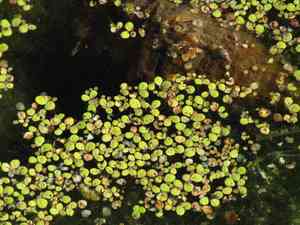
For giant duckweed, the ideal period for transplantation is throughout its vigorous growth phase, spanning from late spring to mid-summer, which guarantees strong rooting. Select locations offering abundant water and diffused sunlight. Careful manipulation during the transfer enhances successful integration.
Preparations Required Before Relocating Giant Duckweed
Optimal Period for Relocating Giant Duckweed?
The best time to move giant duckweed is during its vigorous growth phase, from late spring to mid-summer. This period aligns with the plant's active development, promoting strong root establishment and a smooth transition. Relocating then benefits from extended daylight and warmer temperatures, which encourage robust growth and enhance the plant's ability to thrive in its new environment. Ensure giant duckweed gets a head start by selecting this prime season for a successful transfer.
Recommended Spacing Between Giant Duckweed Plants?
For giant duckweed, provide a comfortable growing area. Maintain a close spacing, less than 12 inches (30 cm) apart. This ensures they have ample room to flourish without feeling isolated!
Ideal Soil Mixture for Giant Duckweed Relocation?
Giant duckweed will thrive in a soft, loamy soil enriched with well-decomposed compost or a balanced liquid fertilizer as a welcoming treat. It's like a cozy bed and a nutritious meal for their roots!
Optimal Location for Your Giant Duckweed?
Select a bright spot where sunlight playfully reflects on the water's surface. Giant duckweed prefers areas with full to partial sunlight. This is their ideal zone for absorbing rays and stimulating growth!
Equipment Needed Before Relocating Giant Duckweed
Gardening Gloves
To safeguard your hands while handling the plant and working with water.
Small Container or Tub
For transporting and holding giant duckweed during relocation.
Watering Can
To irrigate giant duckweed once it has been moved.
Soft Cloth or Sponge
To carefully handle giant duckweed and remove any excess soil without harming the plant.
How to Extract Giant Duckweed from the Soil?
How to Extract Giant Duckweed from the Soil?
From Ground: Gently skim the water surface to collect giant duckweed, using your hands or a soft cloth to prevent damage to the delicate fronds.From Pot: Submerge the pot in a water-filled container, allowing giant duckweed to float to the surface, taking care not to tear the roots.From Seedling Tray: If giant duckweed is in a seedling tray, carefully flood the tray with water, letting the plants separate and float for easy, damage-free removal.
Step-by-Step Guide for Relocating Giant Duckweed
Preparation
Fill a small container or tub with water from the original site to maintain a consistent aquatic environment during transit.
Removal
Following the removal procedure outlined above, carefully extract giant duckweed from its initial location.
Transport
Gently place giant duckweed on the water's surface in the prepared container or tub.
Placement
Carry the container to the new site and carefully introduce giant duckweed to the new body of water by allowing it to slide from the container into its new home.
Adjustment
Use a soft cloth or sponge to position giant duckweed in the desired spot on the water surface, preventing overcrowding.
Post-Relocation Care for Giant Duckweed
Monitoring
Inspect giant duckweed daily for signs of distress, such as discoloration or excessive fragmentation, and promptly address any issues.
Water Quality
Assess the water conditions for pH, temperature, and contaminants, ensuring they meet the plant's needs.
Acclimation
Allow giant duckweed to naturally adjust to the new environment without disturbance for several days after relocation.
Troubleshooting Common Issues with Giant Duckweed Relocation.
What is the best time of year to relocate giant duckweed?
Relocate giant duckweed during the warm period of late spring through mid-summer for optimal growth.
How much space should I leave between giant duckweed when relocating?
Keep giant duckweed close but distinct, with less than 10 inches (25 cm) of individual space.
Why is my relocated giant duckweed turning yellow?
Yellowing may indicate stress from excessive sun or poor water quality; ensure a balanced environment.
What water depth is ideal for relocating giant duckweed?
Aim for a water depth of approximately 2-4 inches (5-10 cm) for the floating giant duckweed.
Can I relocate giant duckweed into outdoor ponds?
Absolutely, giant duckweed thrives in natural pond settings, just ensure conditions are similar to its previous habitat.
What water temperature is ideal when relocating giant duckweed?
Warm waters at 68-86°F (20-30°C) are perfect for giant duckweed to establish and flourish.
How do I acclimate giant duckweed to new water conditions?
Gradually blend the pond water with the original water over time to ease giant duckweed into its new home.
What is the best way to handle giant duckweed during relocation?
Gently scoop giant duckweed and transfer it quickly, avoiding any compression or drying out.
Why isn't my relocated giant duckweed growing?
Growth problems? Verify adequate nutrition, light, and space, or consider a fertilizer boost.
What should I do if giant duckweed becomes overcrowded after relocation?
Thin out the population! Carefully remove excess giant duckweed to maintain proper spacing for healthy growth.



