How to Overwinter Giant duckweed
1
Giant duckweed tolerates temperatures down to 1°C (34°F) but flourishes in ideal environments.
2
Periodically check your Giant duckweed in winter to avoid potential algae proliferation.
3
Uphold a steady lighting routine to mimic natural light cycles throughout winter.
What is Giant duckweed?
What is Giant duckweed?
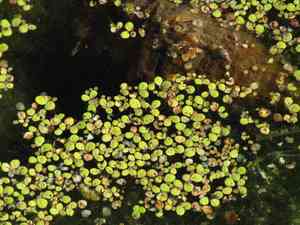
Giant duckweed (Spirodela polyrhiza) is a delightful aquatic plant recognized for its rapid proliferation and capacity to cover extensive water surfaces, offering superb water purification and a home for aquatic organisms. It's frequently encountered in ponds, lakes, and aquariums, and is favored for its minimal upkeep and adaptability. This plant is ideal for both indoor and outdoor water environments, but as winter nears, specific attention is required to ensure its survival and ongoing vitality.
How to Prepare Giant duckweed for Winter?
Cleaning the Pond or Aquarium
Begin your winter preparations by thoroughly cleansing the pond or aquarium. Remove debris, dead foliage, and excess organic matter that could decompose and contaminate the water. Utilize a net to skim the surface and vacuum the bottom if necessary. Clean water guarantees your Giant duckweed remains healthy and vibrant throughout the colder months.
Trimming and Thinning
Trimming and thinning your Giant duckweed is crucial to prevent overpopulation. Use scissors or specialized aquatic plant shears to cut back overgrown areas. This practice enhances water circulation and stops the plant from depleting all available nutrients, fostering a healthier environment for all your aquatic flora and fauna.
Checking Water Quality
Before winter arrives, it's vital to assess your water quality. Test for pH, ammonia, nitrate, and phosphate levels to confirm they are within ideal ranges. Poor water quality can stress your Giant duckweed and heighten its vulnerability to diseases and pests. Adjustments might involve partial water changes or adding specific treatments to balance the water chemistry.
What are the Ideal Overwintering Conditions for Giant duckweed?
Temperature Requirements
Giant duckweed is quite resilient and can endure a broad spectrum of temperatures. However, for optimal overwintering, maintain the water temperature between 10°C (50°F) and 15°C (59°F). This temperature range helps ensure the plant stays dormant but doesn't perish entirely. If you reside in an area where temperatures drop significantly, consider employing a pond heater or relocating the pond indoors.
Light and Humidity
Giant duckweed needs sufficient light to flourish, even during winter. If you are overwintering your plants indoors, ensure they receive at least 6 hours of artificial illumination daily from grow lights. Maintaining elevated humidity levels (at least 60%) is also advantageous, as it mimics their natural habitat and prevents the plants from drying out.
Nutrient Needs
During winter, Giant duckweed will require fewer nutrients compared to the active growing season. Nevertheless, occasional feeding with a diluted aquatic plant fertilizer can help sustain its vigor. Be careful not to over-fertilize, as this can lead to excessive algae growth and compromised water quality.
How to Monitor Giant duckweed During Winter?
Regular Inspections
Consistent monitoring of your Giant duckweed is essential. Check for indications of decay or illness weekly. Look for alterations in leaf color, texture, or unusual growth patterns. Address any problems promptly to prevent them from spreading throughout the plant.
Signs of Trouble
Watch out for indicators of issues, such as yellowing leaves, slimy coatings, or an unpleasant smell. These could signal underlying problems like nutrient deficiencies, poor water quality, or disease. If you observe any of these signs, take immediate corrective actions by adjusting your care routine or seeking expert advice.
How to Transition Giant duckweed Back to Warmer Seasons?
Gradual Temperature Changes
As spring approaches, progressively raise the water temperature to encourage the growth of Giant duckweed. Aim to increase the temperature by 2.5-5°C (5-9°F) per week until it reaches the ideal growing conditions of 20-25°C (68-77°F). This slow adjustment helps prevent shock and promotes healthy development.
Reintroducing Outdoor Conditions
If you've overwintered your Giant duckweed indoors, reintroduce it to outdoor conditions slowly. Begin by placing the plants outdoors for a few hours each day, gradually extending the duration over 1-2 weeks. This acclimation period helps the plants adapt to natural sunlight and fluctuating temperatures, ensuring a smooth transition back to their outdoor environment.



