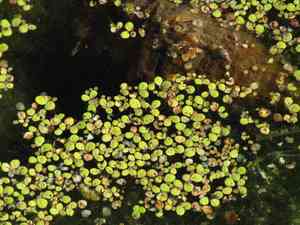
Giant duckweed (Spirodela polyrhiza)
Also known as: Greater duckweed
Giant duckweed (Spirodela polyrhiza) is a globally distributed, rapidly growing aquatic plant that forms a green cover on slow-moving water bodies. Its swift growth and compact genome make it ideal for various applications:
1. **Biofuel Production**: Efficient biomass generation makes it suitable for biofuel development.
2. **Phytoremediation**: Helps in cleaning wastewater by absorbing pollutants and heavy metals.
3. **Carbon Sequestration**: Effective in absorbing carbon dioxide, aiding in carbon cycling systems.
These attributes make giant duckweed valuable in sustainable energy, environmental cleanup, and ecosystem management.
In This Article
Attributes of Giant duckweed
Lifespan
Perennial
Plant Type
Herb
Plant Height
3 mm to 9 mm
Spread
5 mm to 1 cm
Leaf Color
Green on the upper side, sometimes reddish-purple on the underside
Flower Size
Nearly invisible (0.5 mm or less)
Flower Color
White
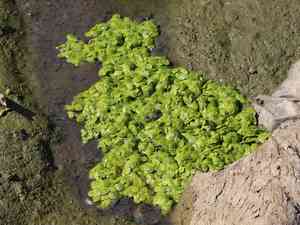
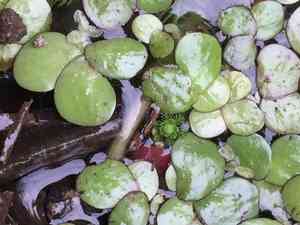
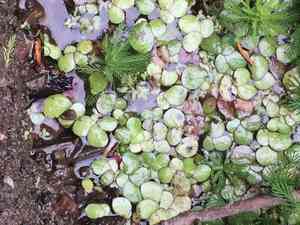
Images of Giant duckweed

Quickly Identify Giant duckweed
1
Floats on water surface with oval-shaped fronds.
2
Fronds green to reddish purple, 1/4 to 3/4 inch wide.
3
Small, inconspicuous flowers less than 1/16 inch in diameter.
4
Fruit is sack-like containing 1-2 seeds.
5
Fronds serve as leaves, oval or round, bright green.
Scientific Classification of Giant duckweed
Phylum
Vascular plants
Class
Monocotyledons
Order
Alismatales
Family
Arum
Genus
Duckweeds
Species
Giant duckweed
Planting and Growing of Giant duckweed
Care Difficulty
Easy
Watering Schedule
Every 8 days
Sunlight Requirements
Partial sun
Sunshine Duration
4-8 hours
Ideal Temperature
64-82℉
Soil Type
Potting Mix, Peat Mix
Soil pH
5.5-7.5
Fertilizer Type
Balanced
Pruning Season
Spring, Summer
Pruning Area
Branches, Leaves
Pruning Frequency
2 times a year
Repotting Season
Spring
Pot Type
Plastic, Ceramic
 How to Water Giant duckweed?
Spirodela polyrhiza thrives in aquatic environments and prefers to be in water rather than just moistened. The method of watering involves ensuring that the medium it's growing in remains submerged with approximately 200 ml of water to create a shallow covering on the surface. The water must completely envelop the plant to mimic its natural habitat conditions.
What are the symptoms of an underwatered Giant duckweed?
›
What should I do if my Giant duckweed is not getting enough water?
›
What are the symptoms of an overwatered Giant duckweed?
›
How to save an overwatered Giant duckweed?
›
 What Are the Sunlight Requirements for Giant duckweed?
Partial shade or dappled sunlight is optimal, ensuring Spirodela polyrhiza receives both indirect and mild direct sunlight. This light balance promotes vigorous growth and healthier foliage.
More About Sunlight Requirements Techniques→
Best Time of Day
›
Seasonal Adjustments
›
Creating Suitable Environments
›
 What Is the Ideal Temperature Range for Giant duckweed?
The ideal temperature range for growing Spirodela polyrhiza is between 64°F and 82°F. This temperature range provides optimal conditions for photosynthesis and metabolism, encouraging vigorous growth and healthy plant development. Maintaining this temperature range ensures the plant can thrive, making it essential for gardeners to monitor environmental conditions closely.
 What Soil is Best for Giant duckweed?
Spirodela polyrhiza thrives in soil that offers excellent drainage. This helps prevent waterlogging, which could harm the plant's roots. By ensuring good drainage, the plant can absorb nutrients efficiently, promoting healthier growth. This plant benefits from soil rich in nutrients. A well-fertilized soil provides essential nutrients that support the plant's rapid propagation and vibrant green growth, maximizing its photosynthetic abilities. The soil should retain an appropriate amount of moisture to keep the plant hydrated while avoiding excess water retention. This balance prevents dehydration and root rot, ensuring the plant remains healthy and productive.
 How to Fertilize Giant duckweed?
For Spirodela polyrhiza, use a balanced liquid fertilizer at a concentration of 1/4 strength of the standard houseplant recommendation. When applying slow-release fertilizer, opt for one with a balanced ratio like 14-14-14, using approximately 50 grams per square meter.
 How to Prune Giant duckweed?
Start by carefully inspecting the water surface where Spirodela polyrhiza floats. Use a fine net or your fingers to gently scoop out any yellowing or dead leaves. Be sure to maintain a balance, removing only about one-third of the foliage at a time to allow for regeneration. Regularly remove debris from the water to prevent contamination, which can hinder the plants' growth.
More About Pruning Techniques→
 How to Propagate Giant duckweed plant?
1
Start by selecting a healthy plant. Ensure that the parent plant is in a dormant or less active state, as this will reduce stress and damage during the division process.
2
Carefully separate the clumps using your sterilized knife, ensuring each division has adequate roots and foliage. This process requires precision to ensure that each divided section can thrive independently.
3
Place each division into its prepared container or planting bed. Firm the soil around the plant base and water thoroughly to eliminate air pockets and establish good contact between roots and soil.
 How to Repot Giant duckweed plant?
1
Repotting Spirodela polyrhiza is usually required when you notice overcrowding in the pond, or the plant begins to yellow. These are signs the plant needs more nutrients or space to grow. This aquatic plant thrives when it has room to spread, so regular assessment of its growing environment ensures vibrancy and health.
2
Select a shallow, wide container to allow Spirodela polyrhiza to spread its fronds without restriction. A wider pot ensures adequate water surface area, promoting healthier growth. This setup is beneficial as it mimics natural pond conditions, crucial for its expansive nature and nutrient absorption needs.
3
Opt for a loamy, rich, aquatic soil mix that provides ample nutrients while improving water quality. This soil type is ideal for Spirodela polyrhiza, as it closely resembles its natural habitat and enhances root support, thereby boosting growth by providing essential minerals directly at the root zone.



