How to Propagate Giant duckweed?
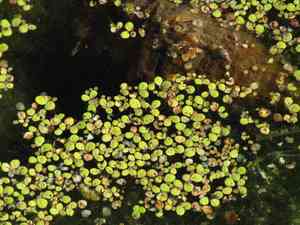
Spirodela polyrhiza is a diminutive, rapidly expanding aquatic flora that multiplies via a distinct method of asexual propagation. It generally expands through disaggregation, where discrete plantlets detach from an established parent specimen and promptly establish themselves, drifting autonomously. Flourishing in stagnant or sluggish freshwater, it necessitates nutrient-dense water and abundant illumination for peak development. To facilitate successful multiplication, cultivators can carefully separate congested groupings, verifying that each new segment possesses adequate root structures and nascent growth for independent survival. This straightforwardness renders it a superb option for novices aiming to cultivate aquatic vegetation.
What Is the Best Time To Propagate Giant Duckweed?
Propagation Type
Cutting
Propagation Season
Spring,Summer
What Tools Are Used in Giant Duckweed Propagation?
Shallow trays or containers
These are crucial for offering an appropriate growing medium for giant duckweed. Shallow trays or containers facilitate the effortless spread of giant duckweed's tiny fronds across water. The limited depth guarantees that the water isn't too deep to hinder light penetration, which is vital for photosynthesis.
Clean, distilled water
Used to fill the trays or containers, clean and distilled water guarantees the absence of contaminants or undesirable chemicals that might impede the growth and reproduction of giant duckweed. Employing distilled water maximizes purity, thereby fostering healthier and quicker propagation.
Nutrient solution
A balanced nutrient solution provides essential elements such as nitrogen, phosphorus, and potassium, which are critical for giant duckweed's growth. Since giant duckweed absorbs nutrients directly from water, it's especially advantageous to incorporate a diluted nutrient solution formulated for aquatic plants.
Light source (natural or artificial)
A suitable light source is essential for the successful propagation of giant duckweed, supplying the energy needed for photosynthesis. Sufficient illumination also supports vigorous growth and multiplication. Indoors, LED grow lights are beneficial due to their energy efficiency and ability to deliver a spectrum that aids aquatic plant growth.
Water conditioner
This tool is employed to adjust water quality, ensuring it is free from detrimental chlorine and heavy metals, which can negatively impact giant duckweed's propagation success. A water conditioner is perfect for treating tap water before use in propagation setups.
Temperature control system
Given that giant duckweed flourishes within specific temperature ranges, a temperature control system, such as an aquarium heater or cooler, is central to maintaining optimal water temperatures. This not only ensures the health of the developed plants but can also influence their multiplication rate.
Fine mesh net
This is particularly useful for handling and transferring giant duckweed gently without causing damage. The fine mesh allows water to pass through while securely holding giant duckweed, which is helpful during routine propagation tasks like dividing or relocating.
How to Propagate Giant Duckweed?
Propagation Type
Easy
How to Care for Your Newly Propagated Giant Duckweed?
How to Care for Your Newly Propagated Giant Duckweed?
After propagation, continue to monitor water quality, changing it weekly to prevent harmful bacteria accumulation. Keep giant duckweed in a moderately lit area. Avoid crowded conditions to ensure each plantlet has ample space and resources for efficient growth. Regular checks for pests and diseases should be performed to maintain giant duckweed's health and vitality.
Common Mistakes to Avoid When Propagating Giant Duckweed
Overcrowding
Placing too many giant duckweed in one container can restrict individual growth and nutrient access, leading to poor plant health and reduced propagation.
Insufficient light
While giant duckweed tolerates various light conditions, inadequate light hinders its growth rate and health, affecting its ability to propagate effectively.
Poor water quality
Using unclean or chemically treated water can harm giant duckweed by introducing pollutants and toxins that impact its health and propagation capabilities.
Ignoring water changes
Failing to regularly change the water allows harmful contaminants and algal growth to compete with giant duckweed, resulting in decreased health and propagation success.
Tips For Propagating Giant Duckweed
Shallow containers
Utilizing shallow, broad containers provides ample surface area, benefiting giant duckweed by offering more room to spread and easily access light.
Filtered or rainwater
Using filtered or collected rainwater ensures minimal harmful chemicals, which supports healthier growth and successful propagation for giant duckweed.
Regular water changes
Changing the water every few weeks helps prevent the buildup of harmful substances and fosters a healthy environment for giant duckweed to thrive and propagate.
Controlled nutrition
Adding a measured amount of nutrients to the water can promote healthier and more robust growth of giant duckweed, thereby enhancing propagation rates.



