How to Prune Giant duckweed?
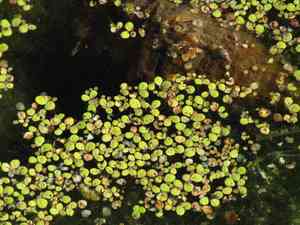
Recognized for its swift proliferation across water surfaces, giant duckweed frequently develops thick layers. Consistent trimming is essential for managing its dimensions and vitality. Manually extract aged, discolored fronds or use a fine mesh, particularly prior to their decomposition. The most effective time for trimming is during spring, summer, and autumn, coinciding with periods of robust development. This practice encourages new growth and prevents excessive accumulation, guaranteeing sufficient illumination and area for aquatic environments. Crucial point: dispose of trimmed matter carefully to avert unintended dispersal into natural aquatic habitats.
What Are the Benefits of Pruning Giant Duckweed?
What Are the Benefits of Pruning Giant Duckweed?
Trimming giant duckweed promotes robust development by allowing better light penetration and nutrient distribution. It also maintains a manageable size, preventing excessive growth and ensuring optimal pond coverage.
What Is the Best Time for Pruning Giant Duckweed?
What Is the Best Time for Pruning Giant Duckweed?
Trimming giant duckweed in spring aligns with the start of its active growth period, enabling a strong response and quick recovery. Late summer pruning ensures the removal of any overgrowth from the peak growing season without negatively impacting the plant's health. Pruning in fall prepares giant duckweed for dormancy, helps maintain its shape, and manages its size, while minimizing the risk of disease transmission that can occur in more humid seasons.
What Tools Do I Need to Prune Giant Duckweed?
Fine Mesh Net
Since giant duckweed is a small, free-floating aquatic plant, a fine mesh net is perfect for skimming and removing excess growth from the water's surface. Use the net to gently collect and lift giant duckweed from the pond or aquarium to thin out the population and maintain healthy growth patterns.
Aquarium Tweezers
Aquarium tweezers or forceps are useful for precise removal of individual giant duckweed plants, especially in smaller settings such as aquariums. They can help target specific areas without disturbing the surrounding aquatic environment.
Aquatic Plant Scissors
For trimming root systems of giant duckweed if needed, aquatic plant scissors can offer precision. Although giant duckweed has a minimal root structure, any adjustments to the root can be done with these to maintain a neat appearance.
Gloves
Waterproof gloves should be worn to keep hands dry and protect from any potential irritants in the water environment while handling giant duckweed.
How to Prune Giant Duckweed
Cleanup
Begin by gently removing any floating debris or foreign objects from around giant duckweed to prevent damage to the frail fronds.
Removal
Carefully extract diseased and withered leaves from giant duckweed by hand, taking care not to disrupt the roots or the healthy fronds.
Thinning
Thin out dense clusters by selectively removing dead branches (clusters of fronds) to maintain adequate spacing and allow light and air to reach all parts of giant duckweed.
Healthy Growth
Inspect giant duckweed to ensure that diseased branches, if present, are removed to prevent the spread of diseases and to promote healthy growth.
Disposal
Dispose of all removed materials properly to prevent the spread of any diseases and to keep the aquatic environment clean for giant duckweed.
Common Pruning Mistakes with Giant Duckweed
Over-Pruning
Removing too much of giant duckweed at once can stress the plant and inhibit its growth. Giant duckweed is robust but requires some foliage to maintain its health and ability to perform photosynthesis.
Pruning Too Frequently
While giant duckweed grows rapidly, frequent pruning might deplete its energy reserves. Allowing time for recovery and growth is crucial.
Discarding Healthy Parts
Sometimes, gardeners mistake healthy giant duckweed for excess and prune it away. It's important to differentiate between the plant's vigorous growth and the parts that are truly excess or decaying.
Using Contaminated Tools
Pruning with dirty tools can introduce pathogens to giant duckweed. Always use clean, sterilized tools to avoid the spread of disease.
Common Pruning Tips for Giant Duckweed
Gentle Handling
While pruning giant duckweed, be gentle. Avoid tearing or damaging the roots and surrounding foliage.
Maintaining Balance
Aim to maintain a balance between the removal of old fronds and the preservation of new growth to support giant duckweed's natural growth cycle.
Selective Pruning
Prune giant duckweed selectively, focusing on removing only the parts that are dead or overcrowding the rest. This will help in maintaining a healthy plant population.
Sanitizing Tools
Before pruning giant duckweed, sanitize all tools to prevent disease transmission. Alcohol or a 10% bleach solution can be used for tool sterilization.



