How to Transplant Corsican stonecrop?
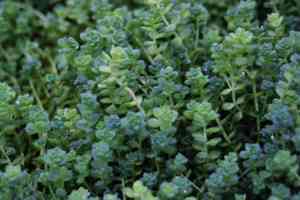
Relocate corsican stonecrop preferably from mid-spring through late autumn, since the warmth and humidity levels are most conducive then. Select a site with good drainage and abundant light for peak development. Verify the new spot offers sufficient room for corsican stonecrop to expand and flourish.
What Preparations are Needed Before Transplanting Corsican Stonecrop?
What is the Ideal Time for Transplanting Corsican Stonecrop?
The optimal period to establish corsican stonecrop in its new location spans from the gentle warmth of mid-spring through the crispness of late fall. This timeframe allows corsican stonecrop to adjust to its new environment more readily, benefiting from a balanced mix of sunlight and cooler temperatures. Moving it during this window will undoubtedly promote root development and growth, ensuring a robust and thriving corsican stonecrop. Remember, a flourishing corsican stonecrop enhances any garden!
How Much Space Should You Leave Between Corsican Stonecrop Plants?
When relocating corsican stonecrop, maintain a spacing of 6-12 inches (15-30 cm) between individual plants. This ensures each plant has ample room to develop and flourish without competing for essential resources.
What is the Best Soil Mix for Corsican Stonecrop Transplanting?
For corsican stonecrop, a well-draining soil blend is recommended, such as a combination of potting soil with perlite or sand. Incorporate a slow-release granular fertilizer into the soil to supply vital nutrients.
Where Should You Relocate Your Corsican Stonecrop?
Position your corsican stonecrop in an area receiving full sun to partial shade. Aim for a minimum of 6 hours of daily sunlight to encourage strong, healthy growth. Avoid spots with excessive shade or direct afternoon sun.
What Equipments Should You Prepare Before Transplantation Corsican Stonecrop?
Gardening Gloves
To safeguard your hands while handling soil and the corsican stonecrop plant.
Trowel
This convenient implement will be used to create planting holes for the corsican stonecrop in your garden.
Shovel or Spade
Necessary for excavating the corsican stonecrop plant from its original spot, especially if it's in the ground.
Pot
If you are moving the corsican stonecrop from a small container or tray, a larger pot will be required for its new home.
Watering Can
To moisten the soil at the initial site and hydrate the plant after its relocation.
Organic Mulch
This is applied to cover the newly planted area, helping to retain moisture and provide nutrients.
How Do You Remove Corsican Stonecrop from the Soil?
How Do You Remove Corsican Stonecrop from the Soil?
From Ground: First, hydrate the corsican stonecrop plant to moisten the soil, being careful not to overwater. Next, excavate a wide trench around the plant using a shovel or spade, ensuring the plantâs root ball remains intact. Gently work the spade beneath the root ball to lift the plant from its initial position.From Pot: Begin by watering your corsican stonecrop to dampen the soil. Invert the pot while holding your hand over the soil surface, with the corsican stonecrop positioned between your fingers. Tap the pot's rim against a firm surface to loosen the soil and allow the plant to slide out. If the plant resists, run a blade along the pot's inner edge to free the roots.From Seedling Tray: Before transplanting, thoroughly water the corsican stonecrop seedlings. Afterward, carefully dislodge the seedlings by pushing up from the tray's bottom. Avoid pulling on the stems, as this can harm the seedlings.
Step-by-Step Guide for Transplanting Corsican Stonecrop
Site Preparation
Prepare your planting location by clearing any weeds or grass and loosening the soil with a trowel or garden fork. This will facilitate the corsican stonecrop plant's root growth and expansion.
Digging
Excavate a hole using the trowel, ensuring it is twice the size of the corsican stonecrop plant's root ball.
Placing the Plant
Carefully position the corsican stonecrop plant in the hole, making sure the top of the root ball is level with the soil surface. Avoid planting it too deeply.
Backfilling
Refill the hole with soil, gently firming the soil around the plant with your hands to eliminate any air pockets.
Watering
Thoroughly water the plant using a watering can.
Mulching
Finally, spread a layer of organic mulch around the corsican stonecrop plant to keep the soil cool, conserve water, and suppress weed growth.
How Do You Care For Corsican Stonecrop After Transplanting?
Monitoring
Regularly inspect the corsican stonecrop plant for any indications of stress, such as wilting or yellowing leaves. If these symptoms appear, the plant may require more water or shade.
Watering
Pay close attention to the soil's moisture level. While corsican stonecrop prefers to dry out between waterings, it's essential to keep the soil slightly moist initially after transplanting until the plant becomes established.
Feed
After approximately two weeks, apply a liquid organic fertilizerâone not excessively high in nitrogenâto encourage root and foliage development. Please refer to and follow the packaging instructions.
Pruning
Trim away any dead or dying foliage to help the corsican stonecrop plant direct its energy towards new growth.
Troubleshooting Common Issues with Corsican Stonecrop Transplantation.
When is the best time to transplant corsican stonecrop?
Corsican stonecrop thrives best when moved from mid-spring through late fall. It adapts readily to weather changes during these periods.
What's the ideal spacing when planting corsican stonecrop?
For healthy development, corsican stonecrop should be spaced approximately 6-12 inches (15-30 cm) apart. This provides ample room for growth and prevents overcrowding.
What type of soil suits corsican stonecrop best when transplanting?
Corsican stonecrop prefers well-draining soil, so incorporate some sand or gravel if the soil appears heavy or clay-like. They favor sunny locations and tolerate poor soils well.
What should I do if corsican stonecrop start wilting after transplantation?
Ensure corsican stonecrop is not overwatered as it prefers dry conditions. If wilting persists after adjusting watering, inspect the roots for signs of rot and treat accordingly.
Do I need to water corsican stonecrop immediately after transplanting?
Provide corsican stonecrop with a thorough watering right after transplanting to help it settle. Ensure the water penetrates deeply into the soil so the roots can access it easily.
How can I ensure corsican stonecrop transplants recover quickly from transplantation shock?
Keep corsican stonecrop in a lightly shaded area for a few days post-transplant and water consistently but moderately. This aids in their acclimatization to the new environment with minimal stress.
Should I fertilize corsican stonecrop right after transplanting?
It's advisable to wait a couple of weeks before applying any fertilizer to newly transplanted corsican stonecrop. This allows them time to settle and establish their roots.
Why is corsican stonecrop showing yellow leaves after transplanting?
Yellow leaves often signal overwatering or inadequate drainage. Re-evaluate your watering routine and soil type. Corsican stonecrop prefers soil that drains quickly and isn't waterlogged.
How deep should I plant corsican stonecrop when transplanting?
Ensure the hole is deep enough to cover the root system. However, corsican stonecrop's crown (where the stem meets the roots) should not be buried too deeply; keep it at soil level.
Do I need a special pot for transplanting corsican stonecrop?
Not necessarily, as long as the chosen pot provides good drainage. Corsican stonecrop dislikes sitting in waterlogged soil, and excessive moisture can lead to root rot.



