Enhancing Your Garden Design with the Corsican stonecrop Plant: A Landscaping Guide
1
Corsican stonecrop is a adaptable plant suitable for diverse garden areas.
2
Corsican stonecrop flourishes consistently year-round, offering a dependable choice for your outdoor space.
3
Combining Corsican stonecrop with suitable companions can result in vibrant and attractive garden designs.
Introducing Corsican Stonecrop into Your Landscape Designs
Why opt for Corsican stonecrop in your garden?
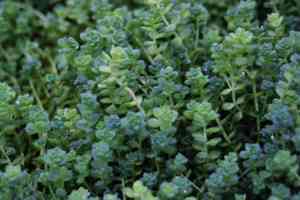
When selecting plants for your garden, Corsican stonecrop distinguishes itself for several reasons. A key attractive quality is its hardiness. This robust, easily cultivated plant thrives across various soil types and conditions, making it an excellent choice for gardeners of all skill levels. Furthermore, Corsican stonecrop is recognized for its attractive, succulent foliage that subtly shifts with the seasons, providing continuous visual appeal. Due to its low-maintenance nature, you won't need to dedicate excessive time to its care, allowing for more leisure in your garden.
Corsican stonecrop varieties: Which best suits your garden?
Numerous varieties of Corsican stonecrop exist, each possessing distinct characteristics. Some types exhibit bluer tones, while others might display richer greens or even purplish tints. When selecting the ideal variety for your garden, consider your overall color scheme and the specific conditions of your planting location. For drier, more arid environments, choose a particularly drought-tolerant variety. Conversely, if your garden has areas that retain moisture well, certain Corsican stonecrop varieties may perform better there. Always aim to pick a variety that aligns with both your aesthetic preferences and practical requirements.
Crafting impactful visual arrangements with Corsican stonecrop
Regarding visual appeal, Corsican stonecrop can be transformative in your garden design. Its compact growth habit makes it perfect for creating dense ground covers or lush, green mats that effortlessly fill spaces between other plants. Moreover, its succulent nature means it stores water in its leaves, giving them a plump, sturdy appearance that beautifully contrasts with other textures in your garden. Consider mass planting Corsican stonecrop for a carpet-like effect that enhances overall aesthetics, or utilize it in rock gardens, where its subtle color and texture variations can be fully appreciated.
Strategic Placement of Corsican Stonecrop in Your Outdoor Space
Front yard: Boosting curb appeal with Corsican stonecrop
Your front yard offers the initial impression of your home, and Corsican stonecrop can significantly enhance its curb appeal. Employ Corsican stonecrop along pathways, driveways, or lawn edges to establish a well-defined, attractive border. Its tidy growth and pleasing look can draw attention and foster a welcoming atmosphere for guests. Additionally, because Corsican stonecrop requires minimal upkeep, you can ensure your front yard remains immaculate with little effort throughout the year.
Backyard serenity: Using Corsican stonecrop to create tranquil areas
Your backyard often serves as your private sanctuary, and Corsican stonecrop can assist in cultivating a calming and beautiful environment. Consider incorporating Corsican stonecrop in areas where you unwind, such as around patios, decks, or even in containers on your outdoor furniture. Its soothing presence, combined with its soft texture and visually pleasing form, can transform these spaces into peaceful havens. Whether enjoying morning coffee or an evening under the stars, Corsican stonecrop can heighten the tranquility of your backyard.
Pathways and borders: Adding detail with Corsican stonecrop
Pathways and borders are vital elements in garden design, and Corsican stonecrop can beautifully enhance these features. Planting Corsican stonecrop along pathway edges can create a soft, inviting transition between different garden sections. It can also delineate flower beds or vegetable patches, providing a neat and organized look. Furthermore, using Corsican stonecrop as ground cover between stepping stones can add an extra layer of texture and color, making your pathways more engaging and visually appealing.
Seasonal Considerations for Corsican Stonecrop
Optimal seasons for planting Corsican stonecrop
The best times for planting Corsican stonecrop are typically spring and fall. During these periods, temperatures are moderate, allowing the plant to establish itself before the rigors of summer heat or winter cold. In spring, rising temperatures and longer daylight hours promote new growth, while in fall, cooling temperatures and increased rainfall help Corsican stonecrop settle in and develop strong roots. Regardless of planting time, ensure adequate watering during the establishment phase to give Corsican stonecrop the best possible start.
Preparing Corsican stonecrop for varying weather conditions
While Corsican stonecrop is a resilient plant, it's crucial to prepare it for different weather conditions to ensure its ongoing health and vitality. In hot, dry summers, provide occasional deep watering to support the plant during prolonged dry spells. During colder months, Corsican stonecrop can withstand some frost, but in regions with harsh winters, a layer of mulch can offer extra protection from extreme temperatures. Regularly check for and remove any debris or fallen leaves around Corsican stonecrop to prevent moisture accumulation and potential rot.
Year-round allure: Corsican stonecrop through the seasons
One of Corsican stonecrop's greatest benefits is its continuous beauty. In spring and summer, its vibrant foliage adds color and texture to your garden. By autumn, some varieties may develop deeper, richer tones, bringing warmth to the landscape as other plants begin to fade. Even in winter, Corsican stonecrop's robust, evergreen nature ensures it continues to provide visual interest, often standing out against a more dormant garden backdrop. This makes Corsican stonecrop an invaluable plant for maintaining visual appeal throughout the entire year.
Complementary Plants for Corsican Stonecrop
Color and texture: Pairing Corsican stonecrop with other plants
Combining Corsican stonecrop with other plants can create a stunning visual impact in your garden. Its subtle, often muted colors and fleshy leaves offer a perfect backdrop or complement to more vibrant blooms or foliage. For instance, the soft blues and greens of Corsican stonecrop can enhance the bright yellows and reds of perennial flowers. Additionally, the succulent texture of Corsican stonecrop contrasts beautifully with the more delicate leaves of grasses and fern-like plants, adding depth and complexity to your garden design.
Creating contrasts: Bold pairings with Corsican stonecrop
Feel free to experiment with bold pairings to achieve striking contrasts with Corsican stonecrop. Combining Corsican stonecrop with plants that have contrasting shapes, sizes, or colors can make each plant stand out more vividly. For example, tall, spiky plants can provide an exciting contrast to the low-growing, mat-forming habit of Corsican stonecrop, while dark, rich foliage plants can make its lighter hues pop. Such contrasts can create focal points and add drama to your garden, transforming simple planting schemes into standout features.
Maintaining balance: Techniques for a harmonious garden
While contrasts are appealing, maintaining balance in your garden is essential for a harmonious appearance. When pairing Corsican stonecrop with other plants, consider their growth habits, light, and water requirements to ensure compatibility. Balance bold, contrasting elements with areas of softer, more cohesive plantings to avoid a chaotic look. Create a sense of rhythm by repeating patterns or groupings of Corsican stonecrop throughout your garden, which can guide the eye and create a more unified design. Also, be mindful of the overall scale and proportion to ensure each plant complements the others well.



