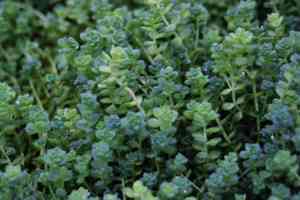
Corsican stonecrop (Sedum dasyphyllum)
Also known as: Thick-leaf stonecrop
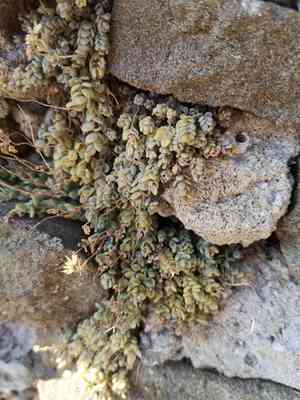
The Corsican stonecrop (Sedum dasyphyllum) is a great option for filling gaps in flowerpots and serves well as an accent plant in mixed containers. When provided with ample light and a broad temperature range, its leaves exhibit a pinkish-white hue. Additionally, the older leaves at the base often develop light purple or orange edges.
In This Article
Attributes of Corsican stonecrop
Lifespan
Perennial
Plant Type
Succulent, Herb
Plant Height
5 cm to 15 cm
Spread
20 cm
Leaf Color
Green Blue
Flower Size
5 mm to 6 mm
Flower Color
White
Images of Corsican stonecrop
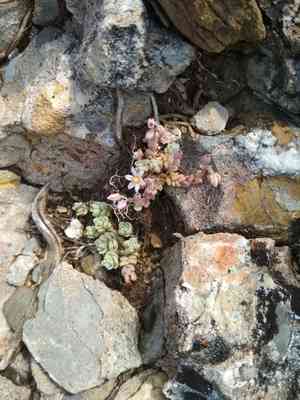
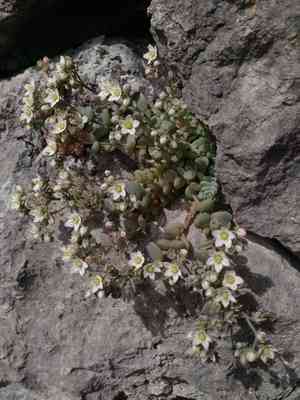
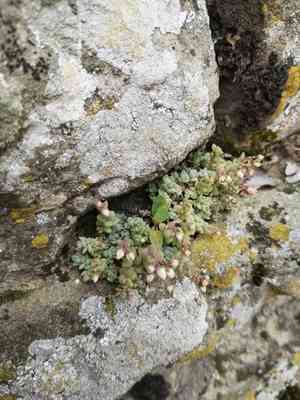
Quickly Identify Corsican stonecrop
1
Identifying Sedum dasyphyllum involves looking for its tiny, thick, blue-green leaves that often form dense mats. The plant is often only a few inches tall and produces small, star-shaped white or pale pink flowers in the summer.
Scientific Classification of Corsican stonecrop
Phylum
Vascular plants
Class
Dicotyledons
Order
Saxifragales
Family
Stonecrop
Genus
Stonecrops
Species
Corsican stonecrop
Planting and Growing of Corsican stonecrop
Care Difficulty
Easy
Watering Schedule
Every 4 days
Sunlight Requirements
Full sun
Sunshine Duration
6-12 hours
Ideal Temperature
65-75℉
Soil Type
Potting Mix, Peat Mix
Soil pH
6.5-7.5
Fertilizer Type
Balanced
Pruning Season
Spring, Summer
Pruning Area
Branches, Leaves
Pruning Frequency
2 times a year
Repotting Season
Spring
Pot Type
Plastic, Ceramic
 How to Water Corsican stonecrop?
For Sedum dasyphyllum, watering should be done with a light hand. The soil should be allowed to dry out completely between waterings, and approximately 50ml of water per session should suffice, just enough to moisten the soil without causing waterlogging.
More About Watering Techniques→
What are the symptoms of an underwatered Corsican stonecrop?
›
What should I do if my Corsican stonecrop is not getting enough water?
›
What are the symptoms of an overwatered Corsican stonecrop?
›
How to save an overwatered Corsican stonecrop?
›
 What Are the Sunlight Requirements for Corsican stonecrop?
Sedum dasyphyllum thrives best in environments offering full sun to partial sun. This range supports vibrant foliage and sustained growth by enabling optimal photosynthesis levels.
More About Sunlight Requirements Techniques→
What is the ideal lighting condition for Sedum dasyphyllum?
›
Details for achieving ideal lighting?
›
Benefits of achieving ideal lighting for this plant?
›
 What Is the Ideal Temperature Range for Corsican stonecrop?
The ideal temperature range for Sedum dasyphyllum is between 65°F and 75°F. This range provides a comfortable climate that supports optimal growth and health for the plant. It allows for efficient photosynthesis, water uptake, and nutrient assimilation, creating conditions similar to its natural environment.
 What Soil is Best for Corsican stonecrop?
Sedum dasyphyllum thrives in well-draining soil, which prevents root rot in this succulent. Providing such soil allows excess water to quickly escape, ensuring that the roots remain healthy and dry. A soil with moderate nutrient content is ideal as it supports growth without overwhelming Sedum dasyphyllum. Nutrient-rich yet balanced soil helps the plant grow robustly while maintaining its compact form. This plant prefers soil with low salinity levels to avoid leaf burn and stunted growth. Ensuring minimal salt in the soil helps this succulent maintain its lush foliage and vitality.
More About Soil→
 How to Fertilize Corsican stonecrop?
Sedum dasyphyllum requires a minimal amount of fertilizer due to its hardy and drought-tolerant nature. A diluted liquid fertilizer at half strength is usually sufficient. Applying approximately 5ml per plant is adequate during growth periods.
 How to Prune Corsican stonecrop?
Be cautious not to remove more than one-third of the plant at a time, as this can stress the plant and hinder its ability to recover and thrive. Sedum dasyphyllum looks best when allowed to form its natural mound. Avoid pruning into unnatural shapes to preserve the plant’s charm and growth habit.
 How to Propagate Corsican stonecrop plant?
1
Select healthy, non-flowering stems from the parent plant. Using clean scissors, cut a 2-3 inch segment that includes a few leaf nodes, which are crucial for root development.
2
Prepare a well-draining growing medium; a mix of cactus soil and perlite works well. Fill seed trays with the mix, ensuring there are no air pockets which might hinder root development.
3
Insert cuttings or sow seeds into the prepared growing medium. Mist the surface lightly to provide moisture, but ensure the medium is not waterlogged to prevent rot.
 How to Repot Corsican stonecrop plant?
1
Sedum dasyphyllum should be repotted when you notice roots growing out of the drainage holes or when it becomes root-bound in the current pot. Additionally, if the soil seems compact or not draining well, it's time for a new home. Typically, you will observe these signs during spring or summer, when the plant is actively growing.
2
The pot you select should be just slightly larger than the current one. Opt for a shallow, wider pot to allow horizontal growth of the roots. Ensure it has ample drainage holes, as this promotes healthy root aeration and prevents root rot.
3
Sedum dasyphyllum thrives in a well-draining soil mix. A cactus or succulent mix is ideal, as it prevents waterlogging and ensures the plant's roots remain healthy. This type of soil provides the balance of aeration and moisture retention that succulents need.



