Boost Growth: How and When to Repot Your Corsican stonecrop Plant
1
Transplanting your Corsican stonecrop in spring and winter promotes optimal development and recuperation.
2
Select a container with a diameter 2-4 centimeters (1-2 inches) wider than its present one.
3
A soil blend that drains effectively is vital to prevent root rot in Corsican stonecrop.
Why Replant Your Corsican stonecrop?
Understanding the Growth Pattern of Corsican stonecrop
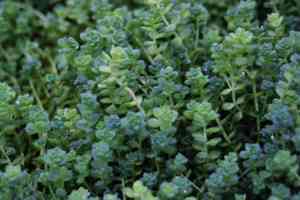
The Corsican stonecrop, known for its charming, tiny, blue-green foliage, flourishes when provided ample space. Replanting is crucial as it supports the plant's natural development. As a succulent, it stores water in its leaves, leading to rapid growth phases that can quickly exceed its initial container.
Indicators That Your Corsican stonecrop Requires a New Container
Recognizing when to replant is key. Watch for these signals: roots emerging from drainage openings, yellowing foliage, or stalled development. These signs suggest that your Corsican stonecrop is seeking more room and fresh substrate to continue thriving.
Selecting the Appropriate Container and Substrate for Corsican stonecrop
Choosing the Optimal Pot Dimensions and Material
When replanting, select a container 2-4 centimeters (1-2 inches) wider in diameter than the current one. This additional space allows the roots to spread comfortably. Materials like terracotta or ceramic are excellent choices due to their porosity, which helps prevent excessive wateringâa common issue for succulents.
Ideal Substrate Blend for Corsican stonecrop Replanting
A well-draining mixture is essential for Corsican stonecrop. A combination of cactus soil and perlite or coarse sand provides the perfect environment. This blend ensures the roots receive sufficient air circulation and reduces the risk of root decay. Avoid heavy, moisture-retaining soils.
Step-by-Step Guide to Replanting Corsican stonecrop
Preparing Your Implements and Workspace
Gathering all necessary tools beforehand makes the replanting process smooth. You will need a new container, suitable substrate mix, a small trowel, and gloves. Ensuring that your work area is clean and organized will help you manage the task efficiently.
Safely Extracting the Plant from Its Previous Container
Carefully loosen the substrate around the edges of the container. Gently tilt the pot and slide the Corsican stonecrop out, supporting the base of the plant to avoid damaging the roots. If the plant is resistant, a small trowel can help loosen it.
Transplanting and Post-Replanting Care Advice
Place a thin layer of substrate at the bottom of the new container. Position your Corsican stonecrop in the center and fill around it with the substrate mix, gently pressing down to eliminate air pockets. Water sparingly initially to help the plant settle. Avoid direct sunlight for a few days to reduce transplant shock.
Common Errors to Avoid When Replanting Corsican stonecrop
Excessive Watering After Replanting
One of the most frequent errors is overwatering. Succulents like Corsican stonecrop have minimal water requirements, especially after replanting. Wait until the substrate is completely dry before watering lightly.
Utilizing Incorrect Substrate Composition
Not all substrate is created equal. Using a dense, moisture-retentive substrate can lead to root decay and hinder growth. Always opt for a well-draining cactus or succulent mix to keep your plant healthy.
Choosing the Inappropriate Container Size
Selecting too large or too small a container can stress your plant. A container thatâs too large retains excess moisture, while a container thatâs too small restricts root growth. Aim for a container thatâs just 2-4 centimeters (1-2 inches) larger in diameter than the current one.



