How Much Sunlight Do Corsican stonecrop Need?
1
Corsican stonecrop flourishes optimally in bright, direct light, requiring over six hours of sun exposure each day.
2
Partial sun is acceptable, though it may result in diminished growth rate or less vivid leaf coloration.
3
Observing the plant's leaves helps determine if it's receiving inadequate or excessive light.
What is the Best Sunlight for Corsican stonecrop?
Perfect Sunlight Conditions
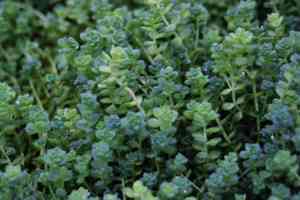
Corsican stonecrop, a charming succulent with plump, bead-like leaves, flourishes in environments offering abundant sunlight. In its native habitat, this hardy plant typically enjoys full sun, absorbing as much light as possible to fuel its development and maintain its vibrant color. Placing your Corsican stonecrop in an area with ample sunlight will ensure it grows healthily and robustly.
Daily Sunlight Duration
To truly thrive, Corsican stonecrop needs at least 6 hours of direct sunlight daily. This makes it perfect for sunny windowsills, patios, or gardens that receive significant natural light. While it can tolerate slightly less, it will display its best colors and fastest growth with plenty of sun.
How to Determine Sunlight Needs for Corsican stonecrop?
Indicators of Excessive Sunlight
Although Corsican stonecrop loves the sun, too much can be detrimental. If the plant is receiving more sunlight than it can handle, you might observe its leaves turning white or developing burn marks. These damaged leaves signal a need for afternoon shade or relocation to a slightly less intense light spot.
Indicators of Insufficient Sunlight
Conversely, inadequate sunlight can cause Corsican stonecrop to show several symptoms. The plant may begin to stretch, with elongated stems reaching for light. Its leaves might lose their vivid color, becoming faded and less compact. These signs suggest the plant requires more direct sunlight exposure.
Tips for Providing Ideal Sunlight to Corsican stonecrop
Garden Positioning
When growing Corsican stonecrop outdoors, the planting site is crucial. Choose a garden spot that gets full sun, ideally avoiding areas with prolonged shade. If the garden has varying sunlight, select a location where the plant can absorb morning light and get some relief from the harsher afternoon rays.
Indoor Placement for Maximum Light
For indoor cultivation, positioning your Corsican stonecrop near a south-facing window usually yields the best results. These windows typically receive the most consistent and intense sunlight throughout the day. Rotate the plant periodically to ensure even light distribution and prevent one side from growing more vigorously than the other.
Utilizing Grow Lights
If natural sunlight is insufficient, especially during the darker winter months, supplemental lighting can be very beneficial. Full-spectrum grow lights can mimic the sunâs rays, providing your Corsican stonecrop with the energy it needs. Position the grow lights approximately 15-30 centimeters (6-12 inches) above the plant and use a timer to simulate natural daylight cycles, ideally keeping the lights on for at least 6-8 hours daily.
Seasonal Sunlight Requirements for Corsican stonecrop
Spring and Summer Demands
During spring and summer, Corsican stonecrop enters its peak growth period, desiring ample sunlight. The longer daylight hours combined with the stronger sun make these months perfect for the plant to flourish. Ensure it's placed where it receives plenty of direct sunlight, watering moderately to support its growth.
Fall and Winter Adjustments
In fall and winter, sunlight becomes less intense and days shorten. This period can be challenging for Corsican stonecrop, as it still needs sufficient light to stay healthy. Consider moving indoor plants closer to light sources or using grow lights to supplement natural light. For outdoor plants, ensure they still get as much light as possible by avoiding placement near larger plants or structures that could cast extensive shadows.



