How to Propagate Corsican stonecrop?
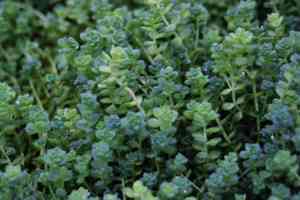
Corsican stonecrop multiplies most effectively via cuttings during the spring and summer seasons. Its propagation procedure is quite straightforward, with indicators of success including fresh development and root formation. Guarantee a well-aerated growing medium to boost favorable outcomes.
Optimal Time for Corsican Stonecrop Propagation
Propagation Method
Cutting
Propagation Period
Spring, Summer
Tools for Corsican Stonecrop Propagation
Sharp Pruning Shears
Pruning shears are vital for making clean, precise cuts when taking corsican stonecrop cuttings. A sharp blade ensures minimal damage to the parent plant and promotes faster healing for both the cutting and the remaining plant. This reduces infection risk and boosts propagation success.
Disinfectant (e.g., Isopropyl Alcohol or Household Bleach)
Disinfectant is used to sanitize pruning shears before taking corsican stonecrop cuttings. This lowers the chance of introducing pathogens to both the cuttings and the parent plant. Clean tools help maintain the overall health of corsican stonecrop during and after propagation.
Rooting Hormone
While corsican stonecrop often roots successfully without it, rooting hormone can speed up root development and increase propagation success. It encourages quicker root initiation, leading to a stronger root system for new plants.
Potting mix suitable for succulents
A well-draining potting mix specifically formulated for succulents is necessary when potting corsican stonecrop cuttings. This prevents delicate roots from sitting in excessive moisture, which could cause rot and hinder the propagation process.
Small Pots or Propagation Trays
When propagating corsican stonecrop, it's essential to use small pots or propagation trays that offer adequate drainage. This helps control moisture levels and provides space for roots to grow without overcrowding, fostering healthier development of new plants.
Plastic or Glass Cover (optional for humidity control)
A clear cover can be placed over cuttings to maintain a humid microenvironment, which is beneficial for root development in corsican stonecrop cuttings. This creates a greenhouse effect, preventing excessive moisture loss from leaves and promoting successful rooting.
How to Propagate Corsican Stonecrop?
Propagation Method
Cutting
Difficulty Level
Easy
Caring for Newly Propagated Corsican Stonecrop
Caring for Newly Propagated Corsican Stonecrop
Once corsican stonecrop has rooted, transition to regular care by gradually increasing watering frequency, keeping the soil moderately moist but never waterlogged. Maintain bright, indirect sunlight. Fertilize sparingly during the growing season with a balanced, water-soluble fertilizer diluted to half strength.
Common Mistakes to Avoid When Propagating Corsican Stonecrop
Overwatering
As a succulent, corsican stonecrop is susceptible to root rot if the soil stays wet for too long. Overwatering during propagation can cause stem cuttings or leaves to decay before they can root.
Deep planting
Stem cuttings or leaves of corsican stonecrop should not be buried too deeply, as this can cause delicate cuttings to rot. They need light contact with the soil surface to form roots properly.
Neglecting cleanliness
Using unsanitized tools or pots for propagation can introduce pathogens that may harm corsican stonecrop cuttings. Infection can lead to poor growth or death of the propagules.
Ignoring humidity
While corsican stonecrop doesn't require high humidity, completely dry air can cause cuttings to dry out before rooting. Ignoring humidity balance can be detrimental to the propagation process.
Tips For Propagating Corsican Stonecrop
Proper cutting technique
Ensure you use a sharp, sterilized cutting tool to take corsican stonecrop cuttings. Clean cuts help prevent infection and encourage quicker root development.
Adequate light
Position corsican stonecrop cuttings in a well-lit area but away from direct sunlight. Bright, indirect light supports rooting without causing sunburn to delicate tissues.
Well-draining substrate
Use a well-draining potting mix specifically designed for cacti and succulents to prevent water retention around corsican stonecrop cuttings, as excessive moisture can lead to rot.
Gentle watering
Lightly mist cuttings or provide a modest amount of water to the soil to maintain slight moisture while corsican stonecrop is rooting. Avoid excessive water to prevent rot, but don't let the medium dry out completely.



