How to Transplant Helmet flower?
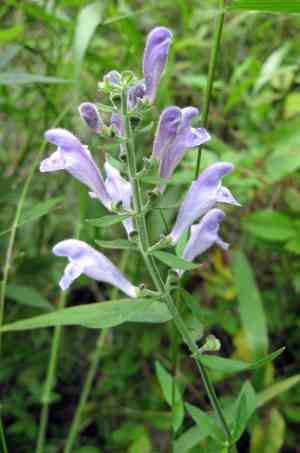
Relocate helmet flower once warmer conditions are established, typically from late spring into mid-summer. Select a location that receives abundant sunlight and possesses soil with good drainage. A helpful suggestion: gentle handling guarantees helmet flower flourishes in its new environment.
Essential Preparations Before Relocating Helmet Flower
When is the Best Time to Move Helmet Flower?
The perfect time to move helmet flower is from the gentle warmth of late spring through the vibrant peak of mid-summer. This period provides stable, mild temperatures and sufficient growth time before winter, promoting strong root development and adaptation. Transplanting helmet flower then allows it to establish firmly in its new spot, benefiting from consistent moisture and increasing warmth that encourages vigorous growth. By choosing this window, you ensure helmet flower thrives, with its roots confidently anchoring before the autumn chill.
How Much Room Should You Provide Between Helmet Flower Plants?
When selecting a location for your lovely helmet flower, consider a snug yet comfortable arrangement! Aim to provide each plant with approximately 10 to 12 inches (25 to 30 cm) of space. This ensures they have ample room to flourish without feeling overcrowded.
What is the Optimal Soil Blend for Transplanting Helmet Flower?
Your helmet flower will thrive in well-draining soil that feels like a comforting embrace. Before planting, incorporate some compost or a balanced slow-release fertilizer to give them an excellent start. This preparation will create a nourishing bed for them to prosper in!
Where Should You Replant Your Helmet Flower?
Select a location for your helmet flower that receives full sun to partial shade. They enjoy the sun's warmth but also appreciate some shade during the hottest part of the day. An ideal spot would offer morning sunlight and dappled afternoon shade.
Equipment Needed for Helmet Flower Transplantation
Gardening Gloves
To safeguard your hands while handling soil and the plant.
Shovel or Spade
For excavating the plant and preparing a new planting site.
Pruning Shears
To trim any dead or excess parts of helmet flower before or after relocation.
Watering Can or Hose
To hydrate the plant prior to and following transplantation.
Wheelbarrow or Garden Cart
For effortless transport of helmet flower and soil.
Measuring Tape
To accurately gauge the spacing for planting holes.
Mulch
To maintain soil moisture and inhibit weed growth around helmet flower after transplant.
How to Extract Helmet Flower from the Ground
How to Extract Helmet Flower from the Ground
From Ground: First, moisten helmet flower to soften the soil. Then, using a shovel or spade, dig a wide trench around the plant, ensuring the root ball remains intact. Carefully work the spade beneath the root ball to lift helmet flower from its original spot.From Pot: Water helmet flower thoroughly. Turn the pot on its side, tap the bottom, or gently press the sides to loosen the soil. Carefully slide helmet flower out while supporting the plant with your hand.From Seedling Tray: Dampen the soil to minimize root disturbance. Use a planting dibber or a small stick to gently lift the seedling of helmet flower from the tray. Handle the plant by its leaves, not the delicate stem.
Detailed Steps for Transplanting Helmet Flower
Tool Preparation
Gather all necessary tools, ensuring everything is readily available before commencing the transplant.
Plant Removal
Carefully extract helmet flower from its initial location using the methods outlined in the removal process.
Hole Preparation
Dig a hole in the ground twice as wide and as deep as the root ball of helmet flower, breaking up any soil clumps to aid root penetration.
Plant Positioning
Place helmet flower into the prepared hole, ensuring the plant stands upright and is at the same depth as it was previously growing.
Backfilling
Gently refill the hole with soil, being careful not to compact it too much, which could hinder root growth.
Watering
Water helmet flower thoroughly after transplanting to settle the soil and eliminate air pockets. This also ensures good contact between roots and soil.
Mulching
Apply a layer of mulch around helmet flower, avoiding direct contact with the stems, to help retain soil moisture.
Post-Transplant Care for Helmet Flower
Initial Watering
Water deeply immediately after transplanting and continue regular watering, keeping the soil consistently moist as helmet flower establishes.
Mulching
Apply a layer of mulch around the plant to help retain moisture, regulate soil temperature, and reduce weed competition.
Observation
Regularly inspect helmet flower for signs of stress, such as wilting or discolored leaves, and adjust care as needed.
Pruning
Remove any dead or damaged growth to encourage new, healthy growth and maintain a desirable shape.
Resolving Common Issues with Helmet Flower Transplantation
When is the ideal time to transplant helmet flower?
The best time for transplantation is late spring to mid-summer, when soil warmth supports root growth.
What spacing is recommended for helmet flower during transplanting?
Aim for a comfortable spacing of less than 12 inches (30 cm) to allow ample growth.
How should I prepare the soil for helmet flower transplantation?
Enrich the soil with organic matter, ensuring it's well-draining and fertile for helmet flower's roots.
How much should I water helmet flower after transplanting?
Water generously immediately after transplanting, then maintain moist soil as roots establish.
Can I divide helmet flower when transplanting it?
Absolutely! Gently divide the rootball during transplanting to propagate your helmet flower.
What depth should I plant helmet flower at?
Plant at the same depth it was previously growing to avoid stress on helmet flower.
Does helmet flower require full sun or partial shade after transplanting?
Provide helmet flower with a spot that gets full to partial sunlight daily for best growth.
How do I know if I've overwatered helmet flower post-transplant?
Yellowing leaves or a wilted appearance might indicate overwatering. Adjust to moist, well-drained conditions.
What signs indicate helmet flower is settling in well after transplant?
New growth and vibrant green leaves are excellent signs that helmet flower is acclimating successfully.
Can I apply fertilizer immediately after transplanting helmet flower?
Wait a few weeks post-transplant before introducing fertilizer to avoid overwhelming helmet flower's fresh roots.



