Enhancing Your Garden Design with the Helmet flower Plant: A Landscaping Guide
1
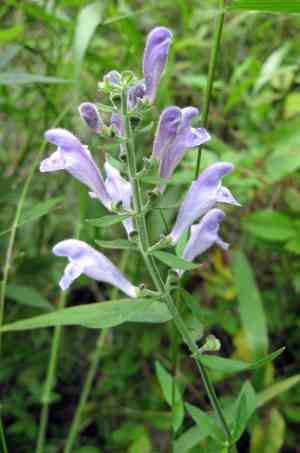
Helmet flower excels at introducing vibrant distinctions to your garden's aesthetic.
2
Positioning Helmet flower along boundaries and perimeters can elegantly delineate garden areas.
3
Helmet flower serves a valuable purpose in drawing in beneficial pollinators such as bees and butterflies.
Introducing Helmet flower to Your Outdoor Space
Why Select Helmet flower for Your Garden?
Gardeners consistently seek plants that are not only visually appealing but also simple to maintain and beneficial to the ecosystem. Helmet flower perfectly fits this description. With its delicate blossoms and resilient nature, Helmet flower can flourish in diverse soil types and weather conditions, making it an excellent choice for both new and seasoned gardeners. Furthermore, Helmet flower doesn't just enhance beauty; it plays a crucial role in fostering biodiversity within your garden.
Initial Planting Guidelines for Helmet flower
When adding Helmet flower to your garden, it's vital to adhere to some fundamental planting instructions to ensure the plant's vitality and vigor. First, select a spot that receives ample sunlightâpartial shade can also work, but aim for at least six hours of direct sun daily. The soil should drain well to prevent waterlogging, which can harm the roots. Dig a hole twice the size of the plant's root ball, carefully position Helmet flower, and cover the roots with soil. Water the plant generously immediately after planting and maintain consistent moisture, especially during the initial weeks.
Design Concepts Utilizing Helmet flower
Creating Color Contrast with Helmet flower
One of the most impactful ways to incorporate Helmet flower into your landscape design is by generating vivid color contrasts. The blossoms of Helmet flower can provide a burst of color against more subdued green foliage or complement other brightly colored flowers in your garden. Consider pairing Helmet flower with plants that have complementary or contrasting hues for a visually captivating effect. This can be particularly effective in flower beds or mixed borders, where the variety in colors can combine to form a harmonious yet dynamic display.
Borders and Edges: Ideal Locations for Helmet flower
Borders and edges frequently define garden areas and pathways, and Helmet flower is a superb option for these zones. Planting Helmet flower along borders can establish a beautiful, natural barrier that guides the eye and separates distinct sections of your garden. Its moderate height also makes it an excellent choice for the front lines of garden beds or as an edging plant along walkways. This placement not only adds visual appeal but can also help suppress weeds, simplifying garden upkeep.
Companion Plants for Helmet flower
Selecting the appropriate companion plants for Helmet flower can amplify its beauty and overall impact in your garden. Companion planting can also foster a healthier garden ecosystem. Good companions for Helmet flower include plants that thrive in similar conditions, such as lavender, echinacea, and ornamental grasses. These plants can complement Helmet flower's growth habits and aesthetic qualities, creating a balanced and flourishing plant community. Moreover, these companions can contribute to pest control and improve soil quality, offering additional benefits to your garden.
Seasonal Care Advice for Helmet flower
Spring and Summer Maintenance
To keep Helmet flower thriving during the spring and summer, consistent care and attention are essential. Ensure that the soil remains moist but not waterlogged, as Helmet flower prefers moderate irrigation. Mulching around the base can help retain soil moisture and regulate temperature. Prune any dead or damaged stems to encourage new growth and prevent overcrowding. Fertilize sparingly with a balanced, slow-release fertilizer to provide vital nutrients. During periods of extreme heat or drought, additional watering may be necessary to maintain the plant's health.
Fall and Winter Strategies
As the growing season concludes, certain actions can help Helmet flower prepare for the colder months. In the fall, cutting back the stems to a few inches above ground level can protect the plant and promote vigorous growth in the spring. Adding a layer of mulch can insulate the roots against frost and temperature fluctuations. Depending on your climate, you might also need to cover the plant with a frost blanket during severe cold spells. Remember to decrease watering frequency as the plant enters dormancy during the winter months.
The Influence of Helmet flower on Wildlife and Ecosystems
Attracting Pollinators with Helmet flower
One of the key advantages of cultivating Helmet flower is its capacity to draw in a variety of pollinators, including bees, butterflies, and hummingbirds. The blooms offer a rich source of nectar, which is a crucial food resource for these creatures. By introducing Helmet flower to your garden, you create a sanctuary for pollinators, which in turn assist with the fertilization of other plants. This interdependent relationship not only benefits your garden but also supports broader environmental health by fostering biodiversity.
Benefits to Local Wildlife
Beyond pollinators, Helmet flower provides shelter and resources to other local wildlife. Birds may utilize the plant for nesting material, while its foliage can offer cover for small animals and beneficial insects. By integrating Helmet flower into your landscape, you're cultivating an environment where wildlife can flourish. This addition contributes to a balanced ecosystem where plants, insects, and animals interact to maintain a healthy and vibrant garden. These ecological advantages highlight the plant's value beyond its aesthetic appeal.



