How Much Sunlight Do Helmet flower Need?
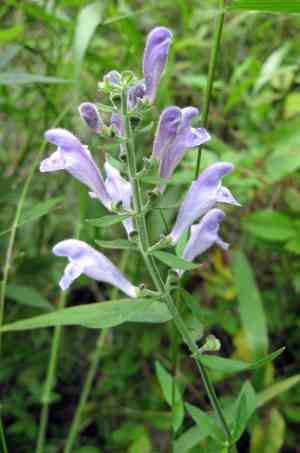
1
Helmet flower flourishes optimally with a minimum of 6 hours of direct sun each day.
2
Indications of excessive sun exposure are scorched foliage and drooping.
3
To avoid insufficient light, position your Helmet flower in a spot with bright, filtered light if direct sunlight is scarce.
Optimal Light Conditions for Helmet flower
Ideal Sunlight Quantity
For your Helmet flower to thrive, providing the correct amount of sunlight is crucial. These plants flourish in full sun, requiring over 6 hours of direct light daily. When grown in optimal light, Helmet flowers develop robustly and produce vivid blooms. Morning sun is especially advantageous, being less intense, it promotes steady growth while minimizing burn risk.
Seasonal Light Requirements
The Helmet flower's lighting needs fluctuate throughout the year. During spring and summer, with ample sunlight, position your plant for full exposure to encourage strong growth. As seasons transition to autumn and winter, sunlight intensity decreases. During these periods, aim for maximum light exposure, though the plant may tolerate reduced light better than intense midsummer heat.
Signs of Excessive or Insufficient Sunlight
Symptoms of Too Much Sun
Excessive sun exposure can harm your Helmet flower. Look for leaves that brown, curl, or appear bleached. If the plant wilts despite adequate watering, it might be sun-stressed. Moving it to a filtered light spot or providing partial shade during the day's hottest hours can alleviate these effects.
Indications of Not Enough Light
Conversely, insufficient sunlight can also impede your Helmet flower's health. Symptoms include elongated or spindly growth, pale or yellowing leaves, and reduced flowering. To remedy this, relocate the plant to a brighter area or supplement with artificial grow lights if natural light is limited.
Adjusting Light for Helmet flower
How to Boost Sunlight Exposure
If your Helmet flower isn't getting enough light, several methods can increase its exposure. Move the plant to a south-facing window for maximum sunlight. Outdoors, place it where it receives uninterrupted morning sun. For indoor plants, reflective surfaces can also enhance available light.
Techniques to Decrease Sunlight Exposure
If your Helmet flower receives too much sun, providing shade can help. Indoors, use sheer curtains to filter direct light. Outdoors, a well-placed garden umbrella or shade cloth can protect during peak sun hours. Avoiding extreme midday sun exposure prevents burns and sun stress.
Indoor vs Outdoor Light for Helmet flower
Best Indoor Light Conditions
For indoor Helmet flowers, select a location that mimics its natural sunny habitat. A bright window, especially south or west-facing, is ideal. Ensure the plant gets direct sunlight for part of the day. If natural light is insufficient, use grow lights to supplement and maintain plant health. Rotate the plant regularly for even light distribution.
Outdoor Lighting Advice
Growing Helmet flower outdoors can be rewarding with the right location. Plant it in an area receiving full sun for most of the day, particularly morning sun. In very hot climates, providing afternoon shade can be beneficial. Additionally, well-draining soil helps the plant utilize sunlight effectively without root issues from overwatering.
Common Sunlight Management Errors for Helmet flower
Overexposure and Solutions
A frequent error is exposing the Helmet flower to excessive, intense direct sunlight, leading to scorched leaves and stress. To fix this, gradually move the plant to indirect light or provide partial shade, especially during peak midday. Mulching around the base can also help retain moisture and shield roots from extreme heat.
Underexposure and Correction
Insufficient light is another common mistake, resulting in weak growth and poor flowering. Correcting this involves moving the plant to a sunnier spot or increasing light with artificial sources. Ensure your Helmet flower gets at least 6 hours of light daily for healthy growth and vibrant blooms. Regularly check that the plant's light needs are met, especially with seasonal changes.



