How to Propagate Helmet flower?
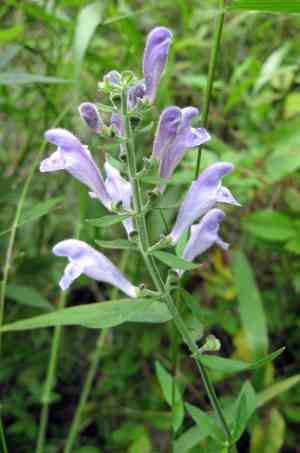
In line with its botanical relatives, helmet flower thrives when propagated through seed dispersal. Initiate the process by preparing a growing medium that drains effectively, creating an ideal setting for the seeds. Disperse them on the surface, as they need illumination to sprout. Ensure continuous dampness without saturation and supply sufficient warmth. Following germination, thin out the young plants to avoid excessive density and encourage robust development. After they have matured, gradually introduce the juvenile plants to external environments prior to relocating them.
Optimal Time for Helmet Flower Propagation
Propagation Method
Cutting
Propagation Period
Spring,Summer
Tools for Helmet Flower Propagation
Sharp pruning shears
These shears are vital for making clean cuts from helmet flower, preventing harm to the parent plant and ensuring cuttings have a smooth, healthy surface for rooting. Precise blades minimize infection risks at the cut site.
Rooting hormone powder
Applying rooting hormone to the cut end of helmet flower cuttings helps stimulate root growth, greatly increasing the chances of successful propagation. This hormone encourages root development from the cut tissues, essential for establishing cuttings when transplanted.
Sterile potting mix
A sterile, well-draining potting mix offers an ideal environment for helmet flower cuttings to develop roots. It lowers the risk of soil-borne diseases, which is crucial for the delicate initial stages of rooted cutting development. The mix's composition also ensures proper air circulation and moisture retention, promoting healthy root growth.
Humidity dome or plastic wrap
Maintaining high humidity around helmet flower cuttings is crucial for their survival and growth, as it prevents excessive moisture loss through the leaves. A humidity dome or simple plastic wrap over the planting container can effectively trap moisture, mimicking the natural humid conditions ideal for rooting.
Heating mat
A heating mat is beneficial for providing consistent bottom heat to helmet flower cuttings, which can help accelerate root development. Temperature control is vital for encouraging vigorous growth and ensuring the plant's quick adaptation to a new environment.
Misting bottle
Regular misting helps maintain adequate moisture for helmet flower cuttings, supporting them in establishing new roots. It aids not only in hydration but also in keeping the surrounding temperature moderated and conducive for growth.
How to Propagate Helmet Flower?
Propagation Type
Easy
Caring for Newly Propagated Helmet Flower
Caring for Newly Propagated Helmet Flower
Once helmet flower cuttings have rooted and show new growth, gradually acclimate them to the outdoor environment. After 1-2 weeks, you can transplant them to their final garden spot, in well-drained soil and partial shade. Consistent watering and occasional feeding with a balanced, slow-release fertilizer will encourage healthy growth. Monitor for pests and diseases and treat as needed to maintain helmet flower's health.
Common Propagation Mistakes for Helmet Flower
Overwatering
Excessive watering can lead to root rot in helmet flower, as it prefers well-drained soil. Saturated conditions compromise the plant's root system, hindering growth and potentially causing the plant's demise.
Too much shade
While helmet flower tolerates partial shade, insufficient light can significantly reduce its vigor and flowering ability. Limited sunlight results in leggy plants with fewer blooms and weaker overall health.
Using unsterilized tools or soil
Unsterilized tools and soil can introduce diseases or pests to helmet flower during propagation. This can result in contaminated propagation material and unhealthy plant development.
Ignoring soil pH
Helmet flower prefers slightly acidic to neutral soil. Neglecting soil pH can lead to nutrient uptake problems, causing poor growth and reduced propagation success.
Tips For Propagating Helmet Flower
Use well-draining soil
Ensuring well-draining soil helps prevent root rot and supports healthier root development in helmet flower. This is crucial for successful propagation and overall plant vigor.
Propagate using cuttings
Taking stem cuttings from healthy helmet flower plants is effective. Ensure cuttings are taken from vigorous plants and include at least 2-3 nodes to improve rooting success.
Provide moderate sunlight
Helmet flower performs best in partial shade. Providing the right amount of light is essential for healthy growth and optimum flowering without stressing the plant.
Maintain optimal soil pH
Keeping the soil pH slightly acidic to neutral optimizes nutrient uptake in helmet flower. Adjust the soil pH according to specified needs to encourage healthy propagation.



