How to Prune Helmet flower?
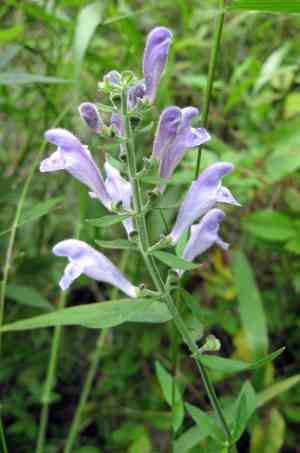
This herbaceous perennial, recognized for its vivid blossoms and lobed foliage, thrives with appropriate trimming to foster vigorous development and abundant flowering. Essential pruning methods involve removing faded blooms to encourage ongoing flowering and reducing the entire plant by as much as one-third after blooming to preserve its form and vitality. Pruning is best performed during the spring or summer seasons. This practice enhances air movement, lowers the chance of disease, and stimulates fresh, robust growth characteristic of this plant.
What Are the Benefits of Pruning Helmet Flower?
What Are the Benefits of Pruning Helmet Flower?
Trimming helmet flower promotes vigorous development and helps maintain its desired form. Regular cutting can result in a more compact and visually appealing shape, which can improve the plant's overall health and vitality.
What Is the Best Time for Pruning Helmet Flower?
What Is the Best Time for Pruning Helmet Flower?
Pruning helmet flower in late winter to early spring, before new growth begins, allows the plant to recover quickly and direct energy to produce healthy new shoots. This timing minimizes stress on helmet flower, as the plant is still dormant and less vulnerable to pruning shocks. Late summer pruning coincides with the end of the blooming cycle, allowing helmet flower to strengthen and prepare for the next season without sacrificing current year's flowers. It also helps prevent disease spread in the warm season and prepares helmet flower for winter by removing any dead or diseased growth.
What Tools Do I Need to Prune Helmet Flower?
Hand pruners
Essential for making precise cuts on helmet flower's stems, enabling selective thinning of the plant. Bypass pruners are recommended for their clean-cutting action, which is important for the plant's health.
Pruning shears
Ideal for snipping off spent blooms and shaping helmet flower, which encourages bushier growth and more flowers.
Gardening gloves
To protect hands from scratches while pruning helmet flower, ensuring a safe gardening experience.
Cleaning cloth and disinfectant
To wipe the blades before and after use to prevent the spread of disease among helmet flower plants.
How to Prune Helmet Flower
Disinfect Tools
Before pruning helmet flower, ensure all pruning tools are disinfected to prevent the spread of disease among your plants.
Remove Diseased
Carefully inspect helmet flower and remove any diseased leaves by cutting them off at the base of the leaf stem, using sharp, clean shears.
Remove Withered
Identify withered leaves on helmet flower and trim them off at the stem; this helps direct the plant's energy to healthier growth.
Prune Diseased Stems
Helmet flower's diseased stems need to be pruned back to healthy tissue. Cut the stem at a 45-degree angle, just above a leaf node or bud to encourage new growth.
Clean Up
After pruning helmet flower, remove all cuttings from the soil surface to discourage pests and disease.
Common Pruning Mistakes with Helmet Flower
Over-Pruning
Removing too much foliage at once can stress helmet flower, impeding its growth and flowering potential. Aim to remove no more than a third of the plant material to maintain its health.
Incorrect Cuts
Making cuts too far from the nodes or in the wrong direction can lead to uneven growth or damage to helmet flower. Cuts should be clean and made just above leaf nodes or branching points.
Using Dull Tools
Pruning with dull or unclean tools can cause unnecessary damage to the plant tissue, making helmet flower more susceptible to diseases and pests.
Pruning Healthy Growth
Removing healthy, vibrant portions of helmet flower can limit its ability to photosynthesize and generate energy, reducing overall vigor and bloom production.
Ignoring Plant Shape
Focusing solely on removing length rather than considering the overall shape and structure of helmet flower can result in an unbalanced and less aesthetically pleasing plant.
Common Pruning Tips for Helmet Flower
Sharp Tools
Always use sharp, clean pruning shears to make precise cuts, reducing injury to helmet flower and aiding in faster healing of the pruned areas.
Selective Pruning
Target leggy, overgrown, or dead stems for removal to enhance air circulation and light penetration, which encourages healthy growth and flowering in helmet flower.
Maintain Plant Structure
Prune helmet flower with its natural shape in mind, maintaining an even, rounded form to promote balanced growth and an attractive appearance.
Encourage New Growth
Pinch or cut back tips of young shoots to stimulate branching and create a fuller, more robust helmet flower. This can also lead to more prolific blooming.
Rejuvenation
If helmet flower has become woody or sparse, consider rejuvenative pruning to invigorate the plant. Cut back old stems to a few inches above ground level in early spring to encourage fresh growth.



