How to Transplant Spring squill?
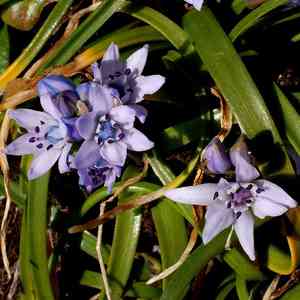
For spring squill, the optimal time for relocation is precisely when spring revitalizes the ground, preferably from the beginning to the middle of the season. Choose a location where sunlight filters through partial shade and the earth drains efficiently. Carefully separating the roots can stimulate vigorous development after transplanting.
What Preparations are Necessary Before Relocating Spring Squill?
What is the Optimal Period for Moving Spring Squill?
The ideal moment to move spring squill is during nature's awakening, when new growth emerges, typically after the last frost and as life rejuvenates. Relocating spring squill then ensures a smooth transition to its new spot, allowing ample time for root establishment before summer's peak. Undertaking this task in mild temperatures and moist soil provides the gentle conditions spring squill needs to thrive.
How Much Space Should You Provide Between Spring Squill Plants?
Allow your spring squill ample room to thrive! Aim for a spacing of approximately 3-4 inches (7.5-10 cm) between them. This ensures each plant has sufficient area to grow and flower without overcrowding.
What is the Best Soil Mixture for Spring Squill Relocation?
For your spring squill, you'll want to prepare a soil bed that drains well and is rich in organic matter. Incorporating compost into your soil will be highly beneficial. A balanced, slow-release fertilizer can give your spring squill an excellent start—consider it a nourishing welcome meal!
Where Should You Replant Your Spring Squill?
Your spring squill will flourish in a bright location with partial sun exposure. Ideally, seek an area that receives morning sunlight and some afternoon shade. This balanced environment helps spring squill thrive without enduring excessive harsh sun!
What Equipment Should You Prepare Before Transplanting Spring Squill?
Gardening Gloves
To safeguard your hands while handling soil and plants.
Trowel
For digging and moving small plants or bulbs.
Spade
To excavate larger plants and for turning over soil.
Watering Can or Hose
To hydrate the spring squill before and after its relocation.
Pruners or Sharp Knife
For trimming any dead or superfluous parts of the spring squill.
Wheelbarrow or Garden Cart
To transport the spring squill and any necessary soil or compost for the transplant.
Measuring Tape
To gauge the distance between newly replanted spring squill specimens.
How Do You Extract Spring Squill from the Soil?
How Do You Extract Spring Squill from the Soil?
From Ground: First, water the spring squill plant to moisten the soil, facilitating easier removal. Use a spade to dig a wide circle around the plant, ensuring you are far enough away to avoid damaging the root ball. Gently loosen the soil and work the spade beneath the plant to carefully lift it from the ground.From Pot: Water the spring squill in its container to hydrate the roots. Tilt the pot sideways and gently tap or squeeze it to dislodge the plant. Support the plant's base as you slide it out, being careful not to pull directly on the stems.From Seedling Tray: Moisten the soil in the seedling tray. Carefully separate individual spring squill seedlings by pushing them up from the bottom or using a tool like a spoon or dibber, taking care to minimize root disturbance.
Step-by-Step Guide for Relocating Spring Squill
Plant Preparation
Assess the overall condition of the spring squill prior to transplanting. Trim any dead or diseased foliage using pruners or a sharp knife.
Hole Preparation
Dig a hole in the designated area that is twice the width of the root ball and equally deep. Amend the hole with compost if necessary.
Installing the Plant
Position the spring squill in the center of the hole at the same depth it was previously growing. Gently backfill the hole with soil, taking care not to bury the stem or leaves.
Soil Settlement
Lightly press down around the base of the spring squill to eliminate air pockets. Water the surrounding soil to aid in its settling.
Spacing
Ensure each spring squill has adequate room for growth. Use a measuring tape to maintain consistent spacing based on the plant's mature size.
How Do You Care For Spring Squill After Relocation?
Watering
Provide water to the spring squill to keep the soil consistently moist for the initial few weeks, gradually reducing frequency as the plant establishes itself.
Mulching
Apply mulch around the base of the spring squill to help retain moisture and regulate soil temperature.
Monitoring
Observe for signs of stress, such as wilting or discolored leaves, and intervene if needed, like adjusting watering or providing shade.
Weeding
Regularly remove competing weeds that vie for nutrients and water to ensure the spring squill has the best opportunity to flourish.
Addressing Common Issues with Spring Squill Transplantation.
When is the optimal time to move spring squill?
Relocate spring squill as spring fully awakens, specifically from early to mid-spring.
How far apart should I space spring squill when replanting?
Generously provide each spring squill approximately 3-4 inches (7.5-10 cm) to thrive and bloom.
How deep should the holes be for replanting spring squill?
Comfortable holes for spring squill should be about three times the bulb's height, allowing roots to settle without being stifled.
What light conditions does spring squill prefer after transplant?
Once settled, spring squill enjoys full sun to the gentle embrace of partial shade.
Why are my relocated spring squill wilting?
Wilting often signals dehydration or shock. Ensure consistent moisture and careful handling during the move.
What soil type is ideal for replanting spring squill?
Offer spring squill well-draining, humus-rich soil where it can nourish itself and flourish after transplant.
How often should I water spring squill after replanting?
Provide spring squill with regular watering to keep the soil evenly moist, not waterlogged, promoting strong root development.
Can spring squill tolerate relocation during blooming?
Spring squill prefers the calm before flowering. Transplant it beforehand to avoid disrupting its floral display.
How can I safeguard my relocated spring squill from pests?
Protect your spring squill with diligent inspections and mild, organic pest deterrents suitable for perennial defense.
What's the most significant error to avoid when moving spring squill?
Steer clear of planting spring squill too deep or too shallow—precise planting heralds a successful growing season.



