How Much Sunlight Do Spring squill Need?
1
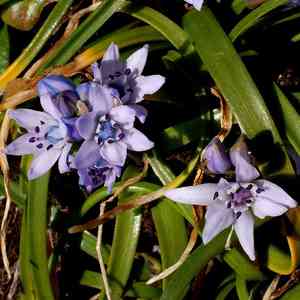
Spring squill flourishes with over six hours of daily sun exposure.
2
This delightful plant endures some shade but favors complete sun.
3
Position indoor Spring squill by a south-facing window for ideal illumination.
Optimal Illumination for Spring Squill
Recommended Daily Sun Exposure
For successful Spring squill cultivation, ample direct sunlight is essential. Aim for a minimum of 6 hours of direct sun daily. While partial sun is tolerated, peak growth and flowering occur with abundant light. This strong illumination supports the plant's vitality and health.
Prime Season for Sun Exposure
Spring and early summer are ideal times for Spring squill to receive sunlight. This period aligns with their growth cycle, ensuring they absorb necessary energy. During these months, the sun's intensity is beneficial. However, exercise caution in peak summer; extreme heat might necessitate some shading.
Indicators of Insufficient Light
When Spring squill lacks adequate sunlight, you'll observe clear signs such as elongated stems stretching for light, reduced flower production, and pale foliage. If your plant displays these symptoms, relocating it or supplementing with artificial light may be necessary.
Adjusting Light for Indoor Spring Squill
Selecting the Appropriate Window
For indoor Spring squill, placement is paramount. A south-facing window is optimal, offering the most consistent light throughout the day. East or west-facing windows can work but might require supplementary lighting during darker periods.
Utilizing Grow Lights
If natural light is inadequate, particularly in winter, consider employing grow lights. These can replicate sunlight, providing your Spring squill with the essential light spectrum for photosynthesis. Position grow lights approximately 12 to 18 inches (30-45 cm) above the plant, operating them for about 10-12 hours daily.
Relocating Plants Throughout the Day
Another approach involves moving your Spring squill to various spots daily to maximize sun exposure. This could mean shifting it between windows or using wheeled plant stands. While it demands some effort, the result is a healthier, more vibrant plant.
Can Spring Squill Endure Low Light Conditions?
Impact of Low Light on Development
While Spring squill can survive in partial sun, low light conditions can impede its development. This plant thrives with abundant light; without it, you might notice slower growth, fewer blossoms, and a generally less vigorous appearance.
Enhancing Low Light Environments
If ample natural light isn't available, optimizing low light situations is crucial. Use reflective surfaces to amplify existing light, arrange plants to capture maximum illumination, and consider seasonal adjustments to improve their surroundings.
Safeguarding Spring Squill from Excessive Sunlight
Symptoms of Overexposure to Sun
Too much sunlight can be detrimental. Signs of excessive sun include scorched or browned leaf edges, wilting despite regular watering, and an overall stressed look. Observing your Spring squill can help determine if it's receiving too much sun.
Strategies for Shading and Protection
To prevent sunburn, consider providing shade during the hottest part of the day, especially in mid-summer. Indoors, use sheer curtains, or outdoors, place plants under taller companions or shaded structures. Mulching around the base is another effective tactic to keep roots cool and retain moisture.
Sunlight Requirements at Various Growth Phases
Seedling Stage
During its seedling phase, Spring squill needs less intense but steady light. Delicate seedlings flourish under bright, indirect light. Position them near a window with filtered light or use grow lights to ensure approximately 12-14 hours of light daily.
Mature Plant Stage
As Spring squill matures, its light requirements increase. At this stage, full sun exposure exceeding 6 hours is beneficial. Keeping the plant in a bright location will promote robust growth and more abundant flowering.
Flowering and Dormancy Periods
During its flowering phase, Spring squill greatly benefits from full sun. Post-bloom, in its dormant period, it naturally requires less light. You can move the plant to a less sunny spot, reducing light to mimic natural seasonal changes and prepare it for the next growth cycle.



