How to Prune Spring squill?
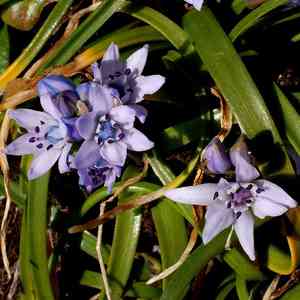
This perennial, characterized by its bulbous structure, features star-shaped blue blossoms and slender, grass-like foliage that emerge in spring. For spring squill, very little trimming is required; remove faded blooms to stimulate further flowering and inhibit self-propagation. Following the blooming period, reduce the foliage only once it has naturally withered, enabling the bulbs to conduct photosynthesis and accumulate reserves for the subsequent season. The ideal period for pruning extends from late spring throughout the summer, once flowering has concluded. Advantages of pruning encompass a more orderly appearance and a potential boost in the following year's floral display.
What Are the Benefits of Pruning Spring Squill?
What Are the Benefits of Pruning Spring Squill?
Trimming spring squill promotes robust development and maintains its desired form, ensuring vitality and visual appeal. Proper cutting can result in a more vigorous and well-structured specimen.
What Is the Best Time for Pruning Spring Squill?
What Is the Best Time for Pruning Spring Squill?
Pruning spring squill right after its blooming period allows for the removal of spent flowers before seed development, which encourages a neat growth habit and may foster a healthier plant by preventing self-seeding and redirecting energy back into the bulb for a stronger display the next season. This timing also avoids disrupting the plant during its active growth phase, as spring squill is actively growing and photosynthesizing through spring, storing energy in its bulb after flowering. Pruning during the specified seasons aligns with the natural life cycle of spring squill, ensuring minimal stress and maximum energy reserves for the subsequent growing cycle.
What Tools Do I Need to Prune Spring Squill?
Hand Pruners
For the precise task of trimming spring squill, hand pruners, also known as secateurs, will provide clean cuts without harming nearby stems. Choose bypass pruners over anvil style for healthy, precise cuts.
Garden Scissors
Spring squill may require a more refined tool for trimming small, delicate areas. Garden scissors are perfect for detailed pruning and can navigate the dense growth habit of spring squill.
Fine-tip Snips
When deadheading or shaping spring squill, fine-tip snips offer exact precision and cause minimal disruption to the plant's compact structure. Their sharp, narrow blades are especially useful for reaching into tight spaces within the foliage.
Gloves
Although spring squill is not known for being thorny or particularly dangerous to handle, it's generally advisable to wear gloves while pruning to protect hands from accidental scrapes and to keep them clean.
How to Prune Spring Squill
Clean tools
Before beginning, ensure that pruning tools are clean and sharp to prevent the spread of disease and to make clean cuts that will heal more quickly.
Remove diseased leaves
Carefully inspect spring squill for any diseased leaves. Using your tool, snip these leaves at the base where they emerge from the main plant, being careful not to damage the bulb or neighboring healthy foliage.
Eliminate withered leaves
Identify any withered or old leaves that have completed their life cycle. Gently prune these leaves at their base to encourage healthy growth and maintain the aesthetic appeal of spring squill.
Prune diseased stems
Locate stems that show signs of disease. Cut these stems back to the base or to a healthy section, making sure to remove the entire affected area to prevent further infection.
Disposal
Dispose of all removed material (diseased leaves, withered leaves, diseased stems) responsibly, away from healthy plants, to avoid any chance of disease spread.
Common Pruning Mistakes with Spring Squill
Over-pruning
Removing too much foliage or too many blooms at once can shock spring squill, leading to poor growth or a reduction in flowering the following season.
Improper technique
Using dull or dirty pruning tools can damage spring squill's delicate stems and leaves or introduce disease to the plant.
Pruning without a goal
Spring squill benefits from selective pruning aimed at shaping the plant or removing dead or diseased material. Random cuts can lead to an undesirable plant shape and vigor.
Neglecting plant health
Pruning spring squill when it is weakened by pests, disease, or environmental stress can exacerbate these issues rather than improve the plant's health.
Common Pruning Tips for Spring Squill
Sanitation
Always use clean, sharp scissors or secateurs to make clean cuts without tearing, which can harm spring squill. This helps prevent the introduction or spread of diseases.
Selectivity
Focus on removing dead, damaged, or diseased foliage to maintain the health and appearance of spring squill.
Moderation
Prune spring squill sparingly to avoid over-thinning. Removing only what is necessary will help ensure the plant's energy is not depleted.
Rejuvenation
Occasionally, spring squill might benefit from more substantial pruning to rejuvenate an older plant. However, this should be done with care, ensuring not to remove more than one-third of the plant at a time.



